
ROOF REPAIR VS. REPLACEMENT | MISSISSIPPI GULF COAST
The right answer depends on what failed, how much of the roof is affected, the age and condition of the system, whether a durable repair is actually possible, and what the inspection shows beneath the surface.

THE ARMOR WAY
A repair can make sense when the damage is localized, the surrounding roof is still serviceable, compatible materials are available, and the repair can restore the flashing, water-shedding layers, and transitions without creating a weak spot in the existing system.
Replacement becomes more sensible when failures are widespread, the roof is brittle or near the end of its useful life, multiple areas are leaking, materials cannot be sourced appropriately, or decking, flashing, ventilation, and other problems exist across the system rather than in one isolated location.
A ROOF IS A SYSTEM
Decking. Underlayment. Fasteners. Flashing. Roof edges. Valleys. Penetrations. Intake and exhaust ventilation. Starter. Ridge cap. Installation details.
We don’t just choose a shingle. We design the roofing system around the home.
WHEN A REPAIR MAKES SENSE
The decision should come from the condition and repairability of the roofing system, not from a predetermined sales outcome. These three questions help separate a repairable problem from a roof that is becoming a replacement conversation.
01
Localized damage supports a repair conversation
A small isolated leak, a limited flashing failure, or damage confined to one repairable area can often be addressed without replacing an otherwise serviceable roof. Widespread wear or failures in multiple areas point in a different direction.
Start With an Inspection →02
A repair has to tie into what is already there
Material availability, shingle brittleness, existing layers, underlayment, flashing, penetrations, and the condition around the damaged area all affect whether a localized repair can be completed without causing additional damage or creating a compromised transition.
See the Roof Replacement Process →03
The cheapest immediate fix is not always the lowest long-term cost
A sound repair on a healthy roof can be a smart investment. Repeatedly repairing a brittle, aging, or systemically deficient roof can mean paying several times for work that still ends in replacement. The remaining life of the roof belongs in the decision.
Understand Replacement Cost →ROOFING SYSTEM DESIGN
Visible shingle damage may not be the root cause. Decking, underlayment, flashing, roof edges, penetrations, ventilation, fasteners, and the path water is taking through the assembly can determine whether a localized repair will actually restore the roof.
A good repair restores the system. A bad repair only hides the symptom.
BUILT FOR THE COAST
Wind-driven rain, tropical weather, heat, humidity, coastal moisture, roof edges, penetrations, and attic conditions all matter when deciding whether a repair can be durable. The repair has to survive the same environment as the rest of the roof.
Edges, fastening patterns, deck attachment, and transitions matter because the roof has to resist forces that are very different from ordinary weather.
Water can be pushed into vulnerable transitions, penetrations, and edges. The system beneath the shingle matters when the weather gets aggressive.
Balanced intake and exhaust ventilation matters. Armor also looks for bathroom and other exhaust fans terminating into the attic, because they can add moisture where it does not belong.
When accessible, the attic helps explain what the roof cannot. Moisture staining, condensation, ventilation deficiencies, deteriorated decking, and exhaust issues often reveal the real cause.
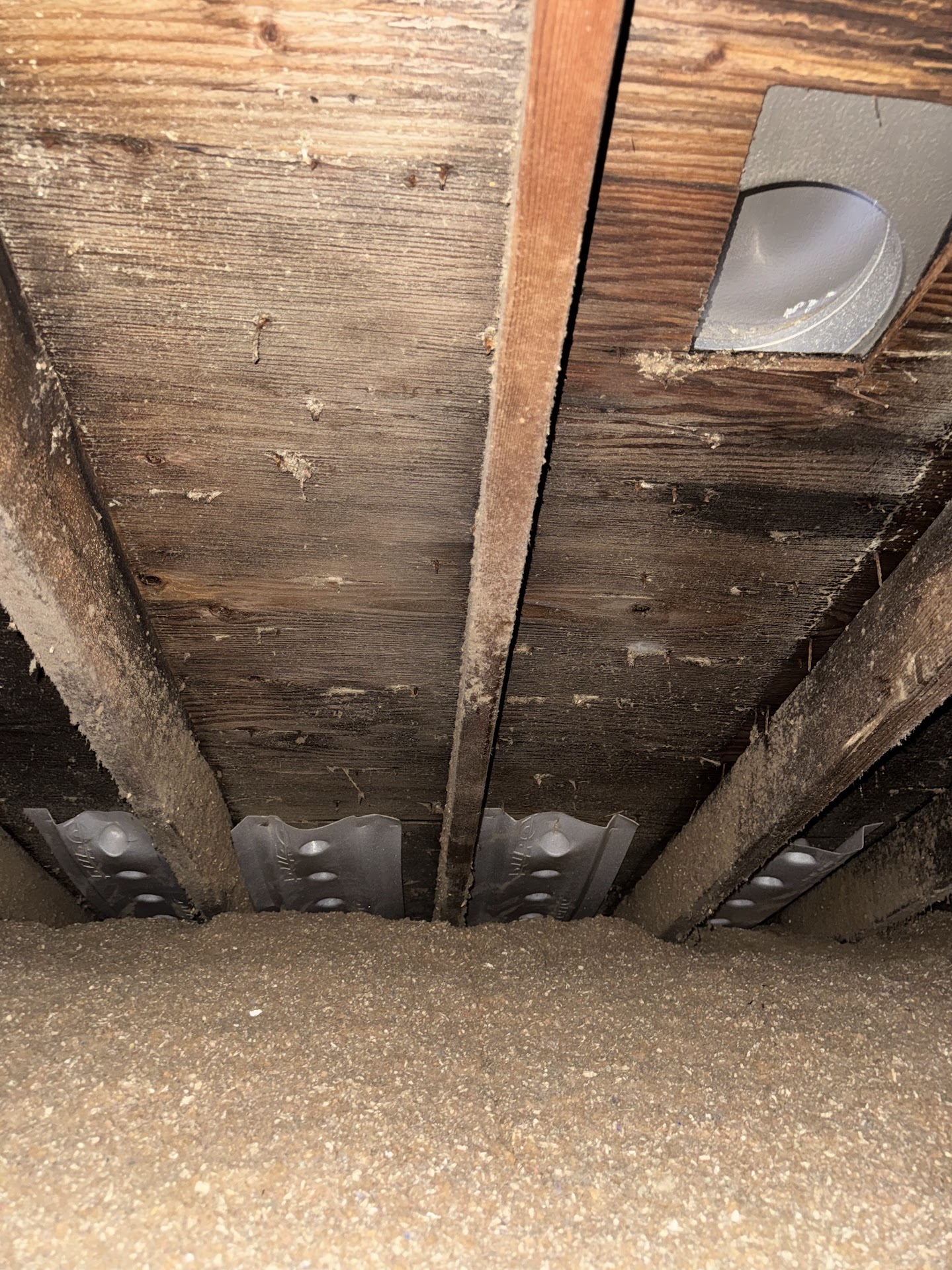
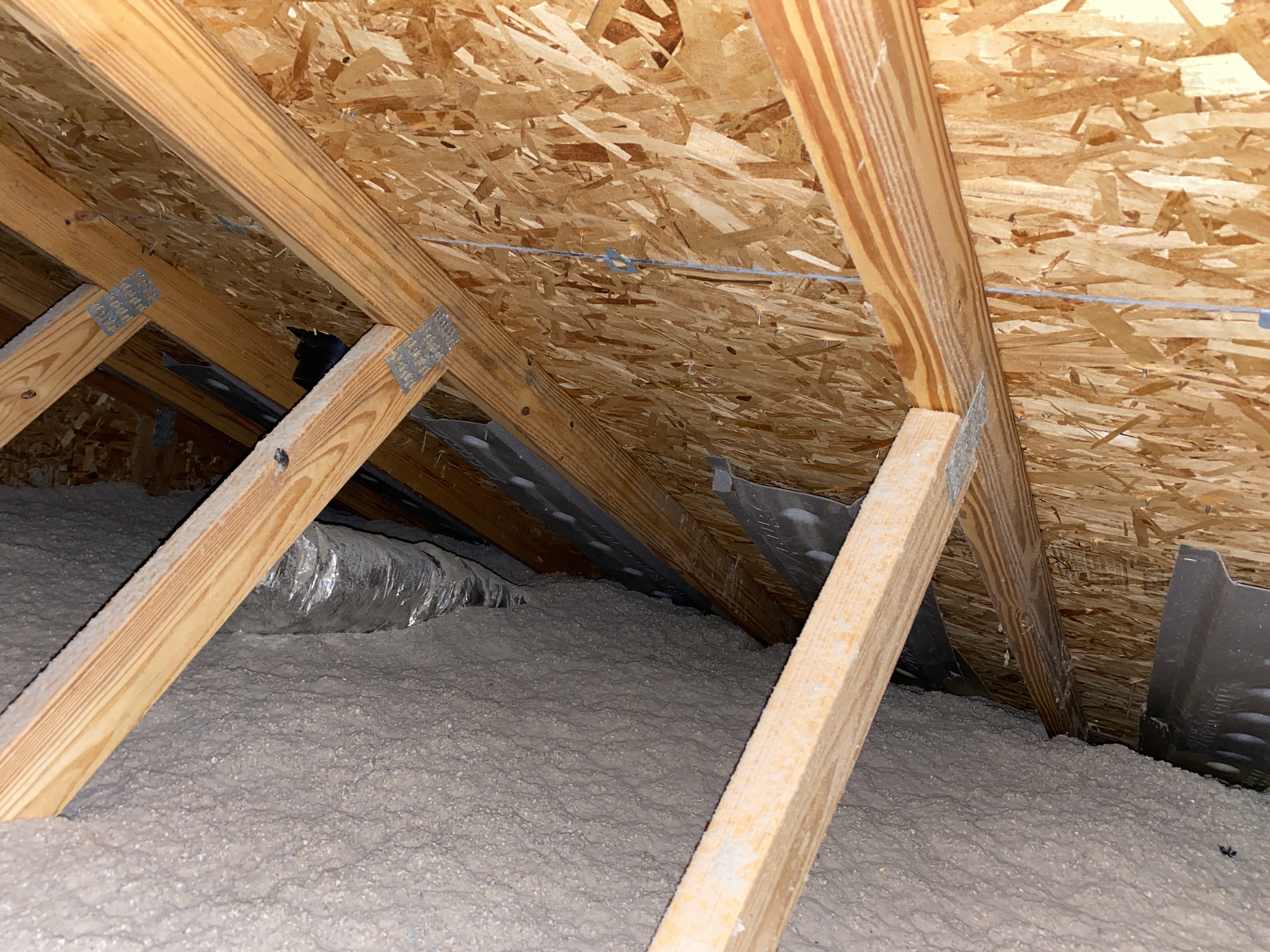
That is why an accessible attic is part of the Armor inspection whenever possible. Ventilation, moisture, exhaust termination, insulation, and the underside of the roof deck can explain problems the shingles alone cannot.
RESILIENCE UPGRADE
FORTIFIED should not be used as a reason to replace a roof that can be repaired correctly. But when the inspection shows that replacement is the appropriate path, removing the old roof creates access to deck attachment, sealed-roof-deck details, roof edges, flashing, and penetrations that can be upgraded for greater resilience.
That lets the homeowner compare a standard replacement scope with the FORTIFIED path after the need for replacement has been established, not before.
WHY IT BELONGS IN THE CONVERSATION
A roof is a system.
Details matter.
Preparation matters.
What happens underneath the shingles matters.
Your best defense starts long before the storm is in the forecast.
THE ARMOR INSPECTION
Armor starts by documenting the failure, the condition around it, the age and state of the roof, and whether the damaged area can be integrated into a durable repair. When accessible, the attic can also reveal moisture, ventilation, decking, or exhaust problems that change the recommendation.
The roof speaks. The attic tells the truth.
The goal is not to sell the larger job. The goal is to recommend the solution that can actually restore the roof.
REAL WORK. REAL HOMES. REAL DETAILS.
A finished-roof photo only tells part of the story. Armor project case studies are built to show what we found, why we recommended the work, the roofing system and materials selected, installation details, and the finished result.
Until Gulf Coast projects are completed, selected work from Armor's Michigan operation will be shown clearly as established company experience. We will not manufacture local projects just to fill a page.
ROOF REPAIR VS. REPLACEMENT QUESTIONS
Repair versus replacement is rarely decided by one symptom. These are some of the questions that determine whether a localized repair can restore the roof or whether the system has reached the point where replacement makes more sense.
Often, yes, if the surrounding shingles remain flexible and serviceable, a compatible replacement can be installed, and the damage is truly isolated. The inspection should confirm that removing and replacing the affected material will not damage the surrounding roof.
Age alone does not automatically require replacement. The bigger issue is condition. Brittle shingles, widespread granule loss, repeated leaks, deteriorated flashing, multiple prior repairs, or damage that cannot be isolated can make another repair a poor long-term investment.
Material availability can affect repairability. A different color alone does not necessarily make a repair impossible, but dimensions, profile, exposure, fastening, seal-strip location, and how the replacement integrates with the existing roof all matter. The question is whether a compatible repair can actually be performed.
No. Storm damage should be evaluated like any other roofing problem. The extent of damage, repairability, condition of the surrounding roof, material availability, and the scope required to restore the system should determine whether repair or replacement is appropriate.
WHEN THE CONVERSATION SHIFTS
No single item automatically requires replacement, but these patterns often show that the problem is no longer confined to one repairable area. The more of them that appear together, the more important it becomes to evaluate the roof as a complete system.
01
The surrounding roof is no longer healthy enough to support isolated fixes
Brittle shingles, widespread granule loss, exposed mat, curling, cracking, or deterioration across multiple slopes can mean the roof around the damaged area has reached the point where repeated repairs are unlikely to deliver durable value.
02
The failure is no longer isolated
One repairable leak is different from repeated failures at valleys, penetrations, flashings, transitions, or multiple slopes. When new problems keep appearing, the roof may be telling you the system is failing rather than one detail.
03
The roof cannot be opened and restored without creating another problem
Discontinued or incompatible materials, brittle surrounding shingles, multiple existing layers, or details that cannot be integrated correctly can make a technically possible patch very different from a durable roofing repair.
04
The real problem extends beyond the visible leak
Deteriorated decking, deficient flashing across the roof, blocked or unbalanced ventilation, moisture problems, and installation defects throughout the system may require access that a localized repair cannot provide.
WHAT HOMEOWNERS SAY ABOUT ARMOR
Armor Roofing Gulf Coast is new to Mississippi, but the standards behind the company are not. Until local Gulf Coast reviews begin coming in, selected feedback from Armor's Michigan operation shows the kind of communication, inspection, problem-solving, and workmanship the company is built around.
LEAH | ARMOR ROOFING CUSTOMER | MICHIGAN
“He was quick, honest, and very thorough. He took his time to explain our options. I felt comfortable knowing I would receive high quality work, and that's exactly what Paul and his team at Armor Roofing delivered.”
“I would recommend Paul to any of my friends and family.”
START WITH AN INSPECTION
If you are wondering whether it is time for a new roof, Armor starts by evaluating the roofing system you already have, including attic conditions when accessible, ventilation, flashing, penetrations, decking, and the condition of the roof.
You get the facts. We give you our recommendation. You make the decision.
ARMOR ROOFING GULF COAST
Serving Mississippi Gulf Coast homeowners with inspection-first recommendations that separate a repairable problem from a roofing system that is ready for replacement.