PROJECTS & CASE STUDIES | ARMOR ROOFING
A finished-roof photo does not explain the inspection, the hidden conditions, the scope decisions, the roofing system, or the problems solved along the way. Armor case studies are built to show the work from the first finding through the finished result.
DOCUMENTED PROJECTS
A useful project story starts before installation. What did the homeowner notice? What did the inspection find? Was the roof repairable? Did the attic reveal moisture or ventilation problems? Were there hidden layers, deteriorated decking, flashing concerns, or unexpected conditions after tear-off?
Armor case studies will document those decisions along with the roofing system selected, project changes, installation details, and finished result. Michigan projects are labeled as Michigan experience. Gulf Coast case studies will be added only as local work is actually completed.
NO MANUFACTURED LOCAL PROOF
Armor Roofing has established project experience in Michigan. Armor Roofing Gulf Coast is the Mississippi chapter of that experience. Until Gulf Coast jobs are completed, photographed, and documented, this page will say exactly where the work was performed instead of presenting older projects as local.
Real work earns more trust than a fuller-looking portfolio.
WHAT EVERY CASE STUDY SHOULD SHOW
Each project should help a homeowner understand how Armor thinks, not just show that a crew can install shingles.
01
What was actually happening at the home
Document roof condition, attic findings, ventilation, material identification, existing layers, decking, flashing, penetrations, and the homeowner's original concern.
See the Armor Inspection Process →02
Why the project was designed the way it was
Show how the inspection became a written scope, including tear-off, decking, water protection, flashing, ventilation, roof edges, materials, warranties, and resilience upgrades when appropriate.
Explore Roof Replacement Systems →03
What changed once the old roof came off
Show hidden conditions, legitimate change orders, field decisions, installation details, cleanup, final photos, and the reason the finished scope may differ from the original proposal.
Learn How to Compare Roofing Proposals →WHEN THE ROOF COMES OFF
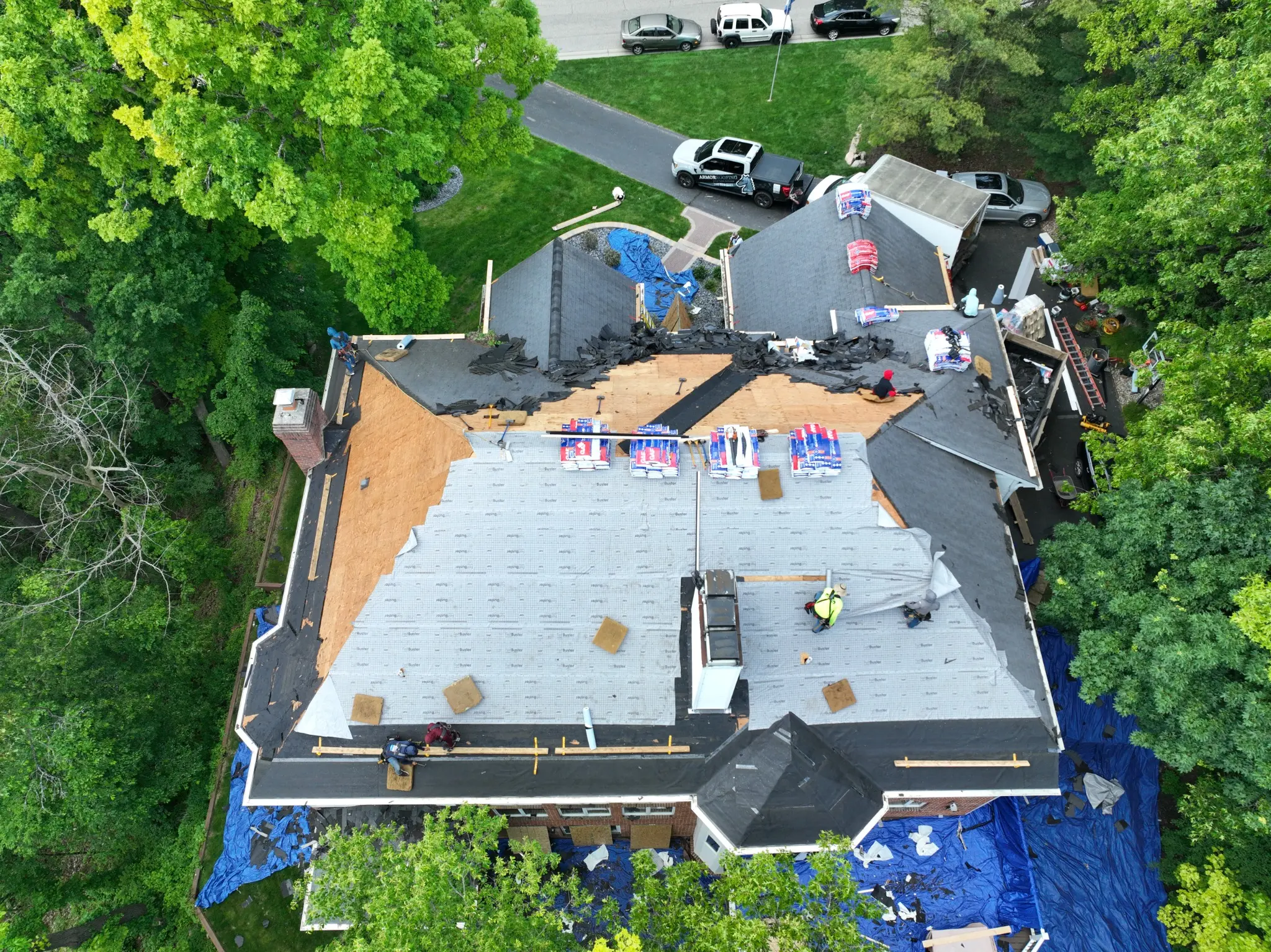
Some roofing conditions cannot be confirmed until tear-off exposes them. Additional roof layers, deteriorated decking, concealed flashing problems, chimney conditions, damaged transitions, or previous repairs can change what the project actually requires.
A case study should show those discoveries instead of pretending every job follows the estimate perfectly. When the scope changes, the reason, evidence, pricing, and homeowner approval should be documented clearly.
FIELD DOCUMENTATION
Photos, measurements, quantities, material needs, labor changes, disposal requirements, and the condition discovered in the field should support the revised scope.
The purpose is not to create surprise charges. It is to document work that could not reasonably be confirmed before the roof was opened.
COMMON PROJECT FINDINGS
The visible roof covering is only one part of a project. Tear-off and attic inspection often reveal conditions that affect durability, ventilation, pricing, and the final scope.
A concealed second layer changes tear-off labor, disposal, staging, and sometimes the condition of the deck underneath. It should be documented when discovered, not guessed into every proposal.
Soft, damaged, delaminated, or otherwise unsuitable decking may not be fully visible before tear-off. The replacement quantity should be measured and documented once the deck is exposed.
Blocked intake, unbalanced exhaust, bath fans terminating into the attic, moisture staining, and trapped heat can affect how the new roofing system should be designed.
Old flashing, unusual chimney conditions, wall transitions, penetrations, and previous repairs can require custom field solutions that a finished-roof photo never explains.
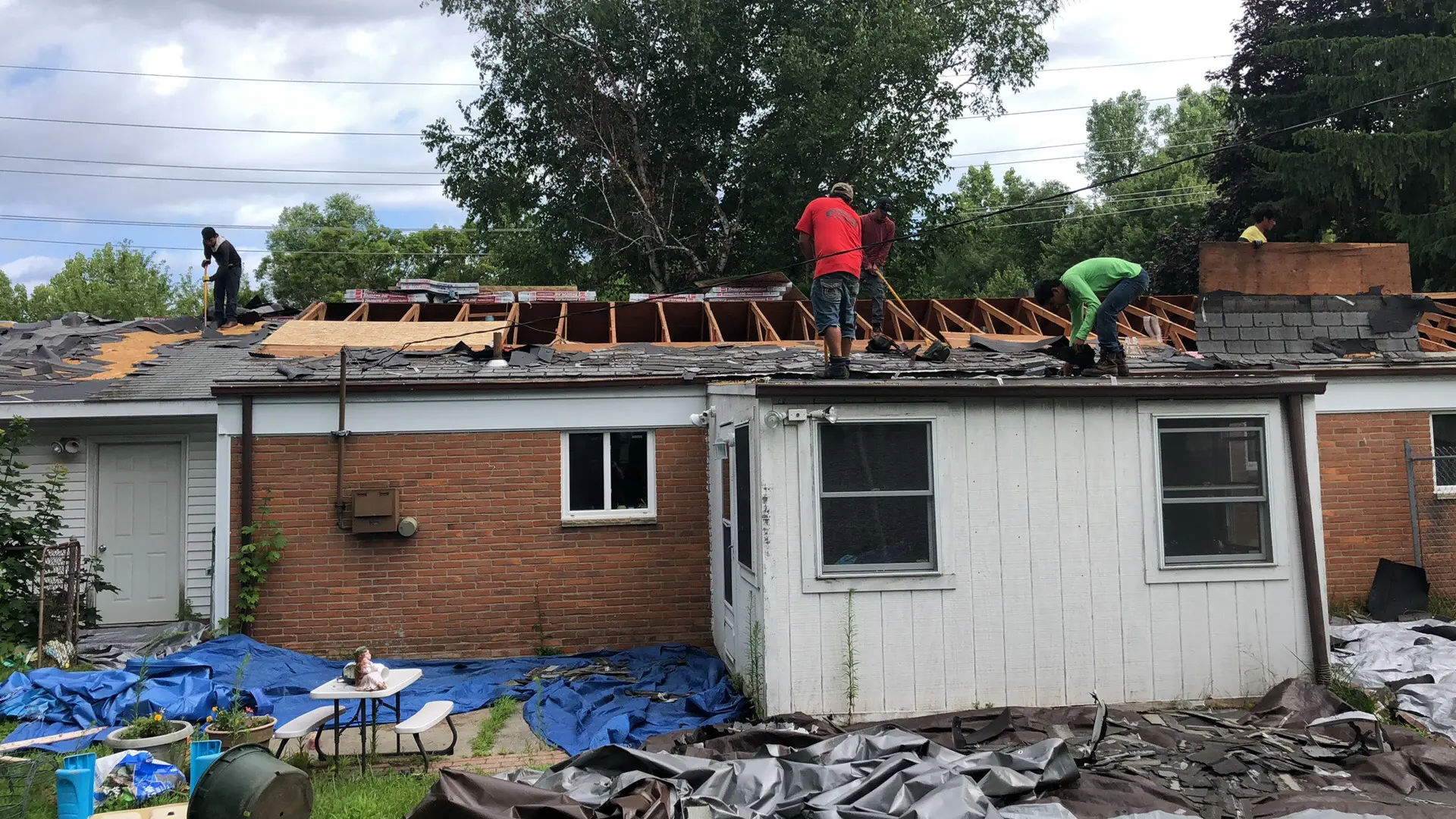
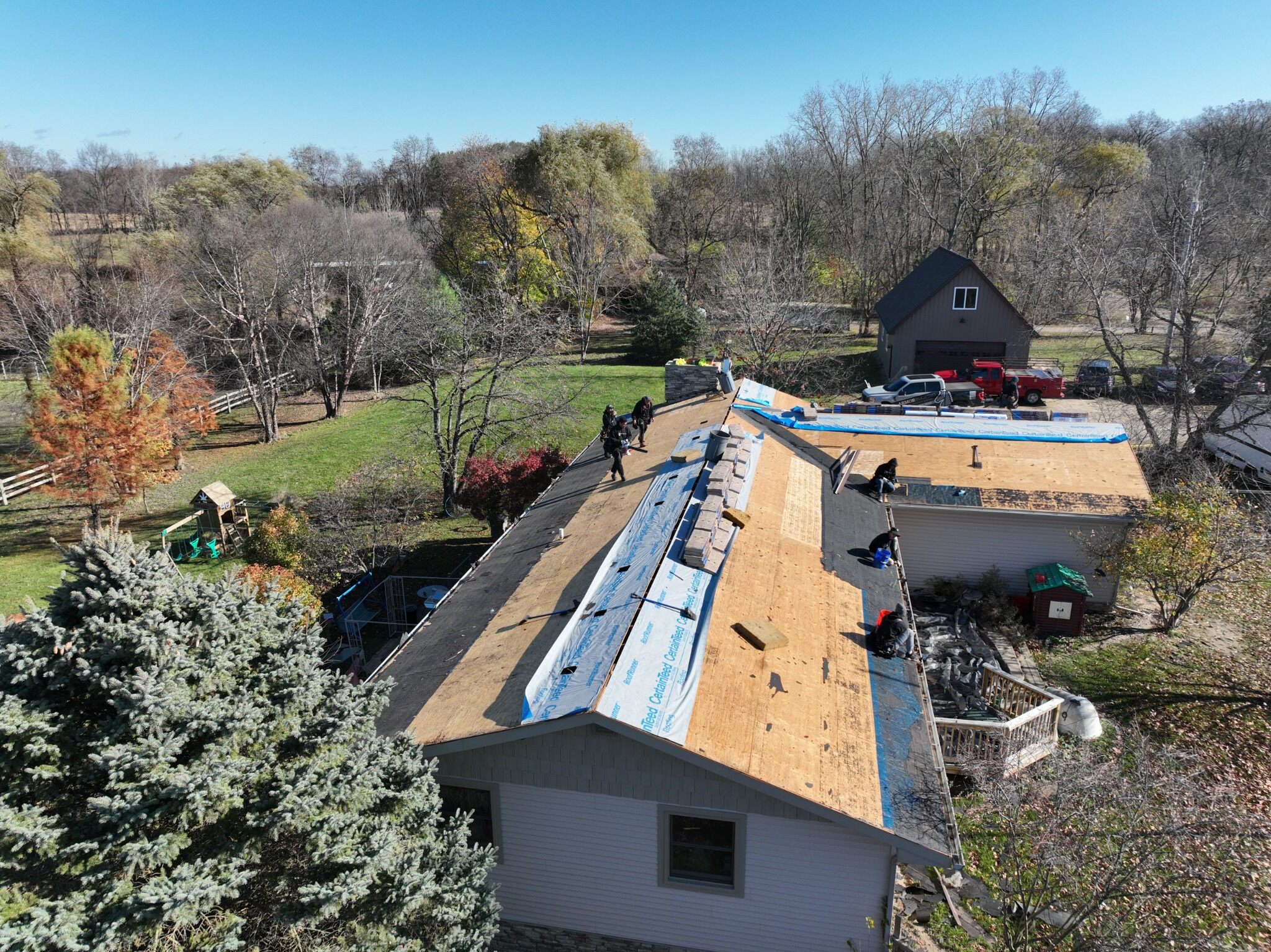
Attic and tear-off documentation help connect the visible roof to the conditions underneath it.
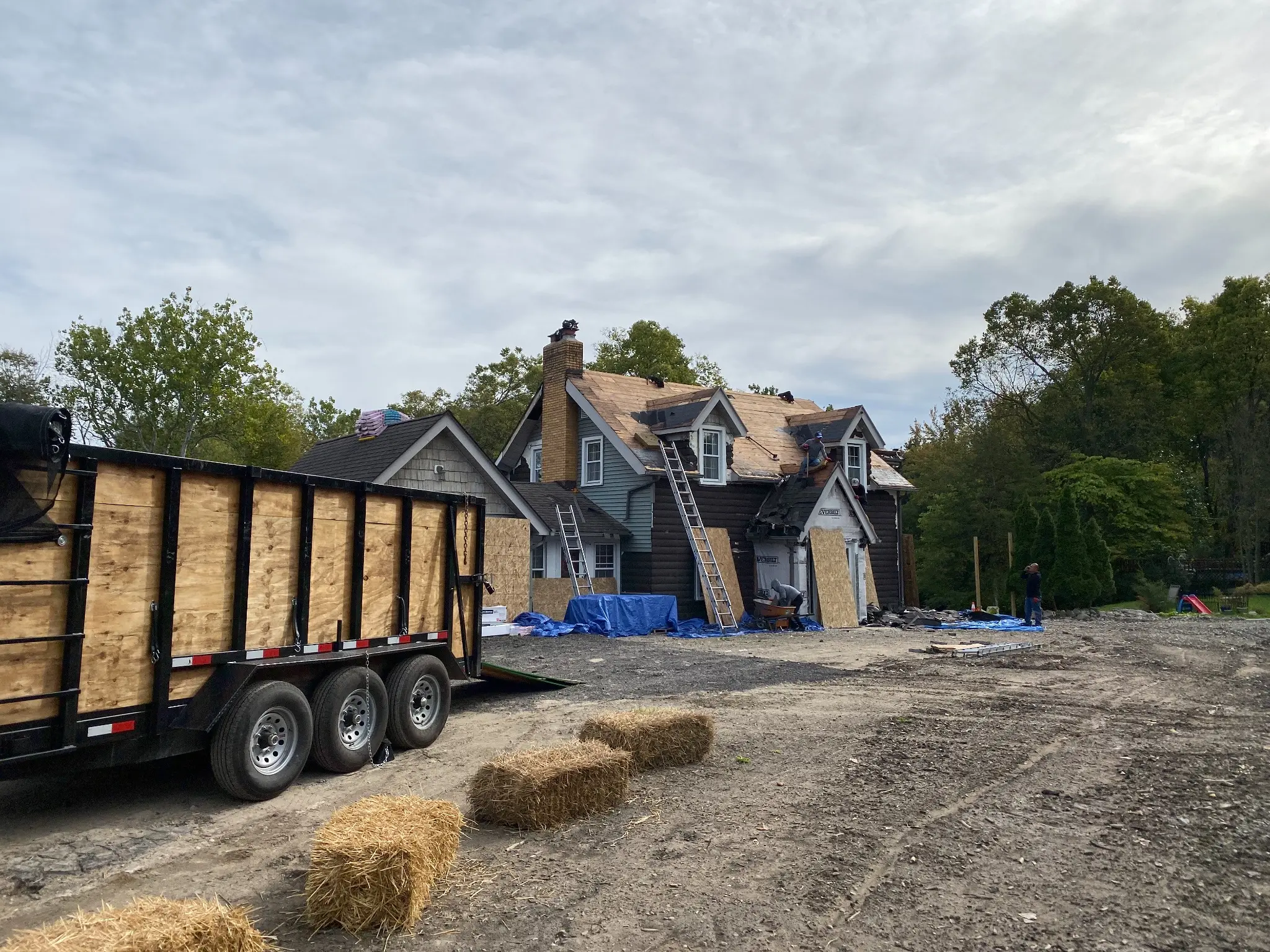
HOW THE PROJECT STARTS
The project story begins with the homeowner's concern and the existing roofing system. Exterior findings, attic conditions when safely accessible, ventilation, moisture, materials, and repairability establish the baseline for every decision that follows.
The roof speaks. The attic tells the truth.
A stain may show moisture. The attic may explain why. Premature roof aging may look like a shingle problem until ventilation or trapped moisture tells a different story.
PROJECT PLANNING GUIDES
Case studies show what happened on another home. These guides help translate those lessons into the questions that matter before you sign a proposal or approve a roofing scope.
Understand how size, pitch, tear-off, hidden layers, decking, ventilation, materials, FORTIFIED upgrades, and project conditions can change the final price.
Read the Roof Replacement Cost Guide →Learn how roof age, damage extent, repairability, material availability, decking, flashing, ventilation, and long-term value affect the decision.
Read Repair vs. Replacement →Compare tear-off, decking, underlayment, flashing, ventilation, roof edges, penetrations, cleanup, warranties, and change-order rules before comparing totals.
Read the Proposal Comparison Guide →New shingles do not correct blocked intake, unbalanced exhaust, trapped moisture, or bath fans terminating into the attic. A project should address the roofing system, not just the covering.
Read the Attic Ventilation Guide →CASE STUDY INDEX
As the archive grows, projects will be organized around the roofing decision and construction problem, with the actual city and state clearly identified inside each case study.
01
Inspection, system design, and installation
Projects involving full replacement, hidden layers, decking decisions, ventilation, flashing, material selection, warranties, and field changes.
02
Beyond the basic replacement scope
Future Gulf Coast case studies will document applicable FORTIFIED details, sealed roof-deck decisions, added scope, evaluator coordination, and designation outcomes when relevant.
03
Damage, documentation, and construction scope
Projects where storm damage, material availability, compatibility, repairability, legitimate supplements, and the carrier's scope intersect with the actual roofing work.
04
The details that do not fit a standard line item
Projects involving unusual chimney conditions, flashing transitions, redecking, ventilation corrections, hidden construction, and custom solutions developed in the field.
WHAT HOMEOWNERS SAY ABOUT ARMOR
Armor Roofing Gulf Coast is new to Mississippi, but the standards behind the company are not. Until local Gulf Coast reviews begin coming in, selected feedback from Armor's Michigan operation shows the kind of communication, inspection, problem-solving, and workmanship the company is built around.
LEAH | ARMOR ROOFING CUSTOMER | MICHIGAN
“He was quick, honest, and very thorough. He took his time to explain our options. I felt comfortable knowing I would receive high quality work, and that's exactly what Paul and his team at Armor Roofing delivered.”
“I would recommend Paul to any of my friends and family.”
START WITH YOUR ROOF
Another homeowner's case study can show how a problem was solved. It cannot tell us what your roof, attic, ventilation, decking, flashing, or materials are doing.
Armor starts with the inspection, documents the findings, and builds the scope around the house in front of us.
ARMOR ROOFING PROJECTS
Serving Biloxi, Gulfport, D'Iberville, Ocean Springs, Gautier, Pascagoula, and surrounding Mississippi Gulf Coast communities with inspection-first roofing services.