
COMPARING ROOF REPLACEMENT PROPOSALS
Two roofing proposals can use the same shingle and still describe very different jobs. The right comparison starts with scope: tear-off, decking, water protection, flashing, ventilation, roof edges, penetrations, cleanup, warranties, allowances, and how hidden conditions are handled.
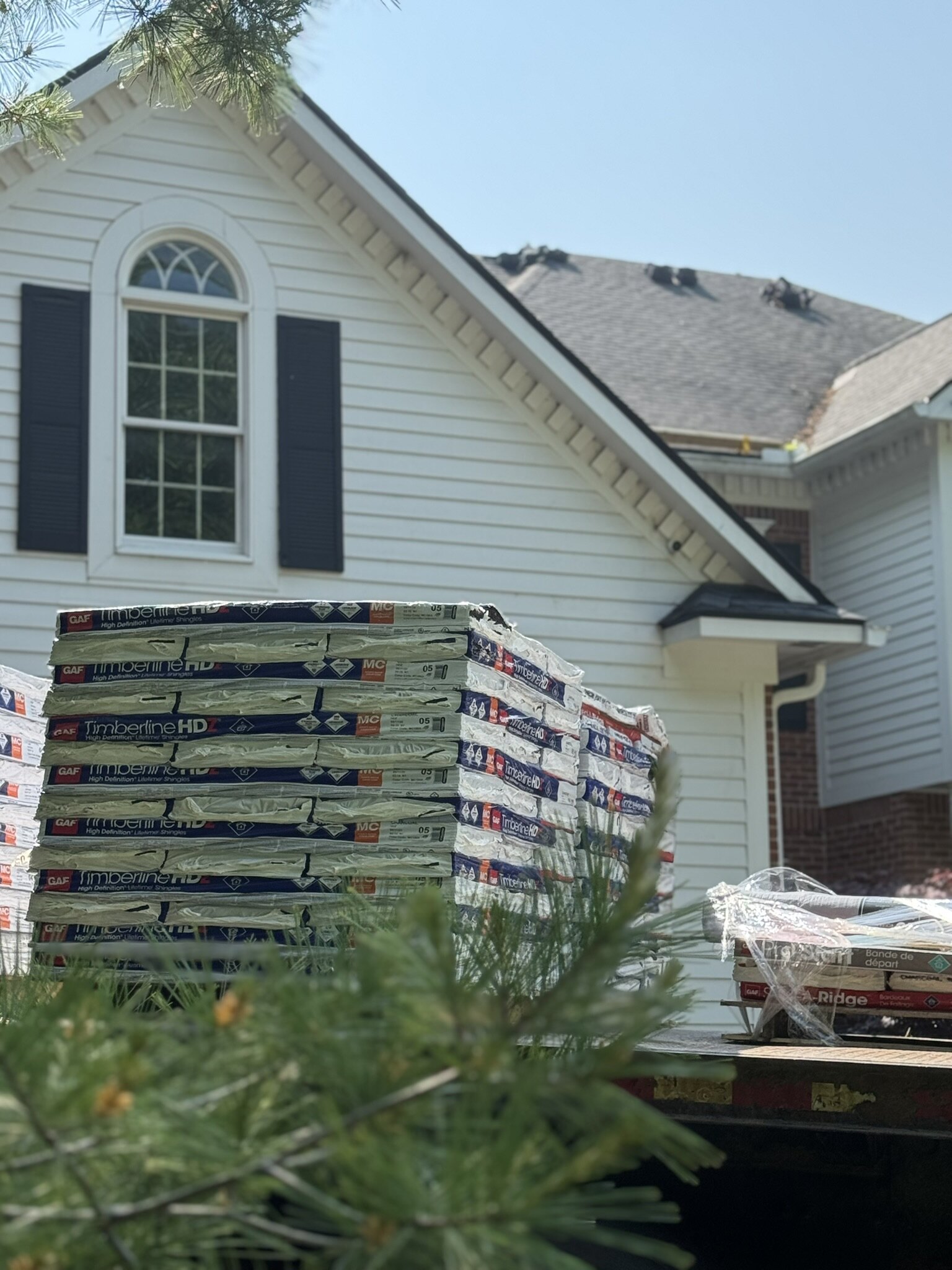
THE ARMOR WAY
A useful proposal defines the roofing system, not just the shingle and total price. It should tell you what is being removed, what is being installed, how critical details are handled, what is included, what is excluded, and what could legitimately change once work begins.
If two totals are different, the first question should be whether the scopes are actually equal. A lower number can simply mean less work, thinner materials, vague allowances, or important details left for later.
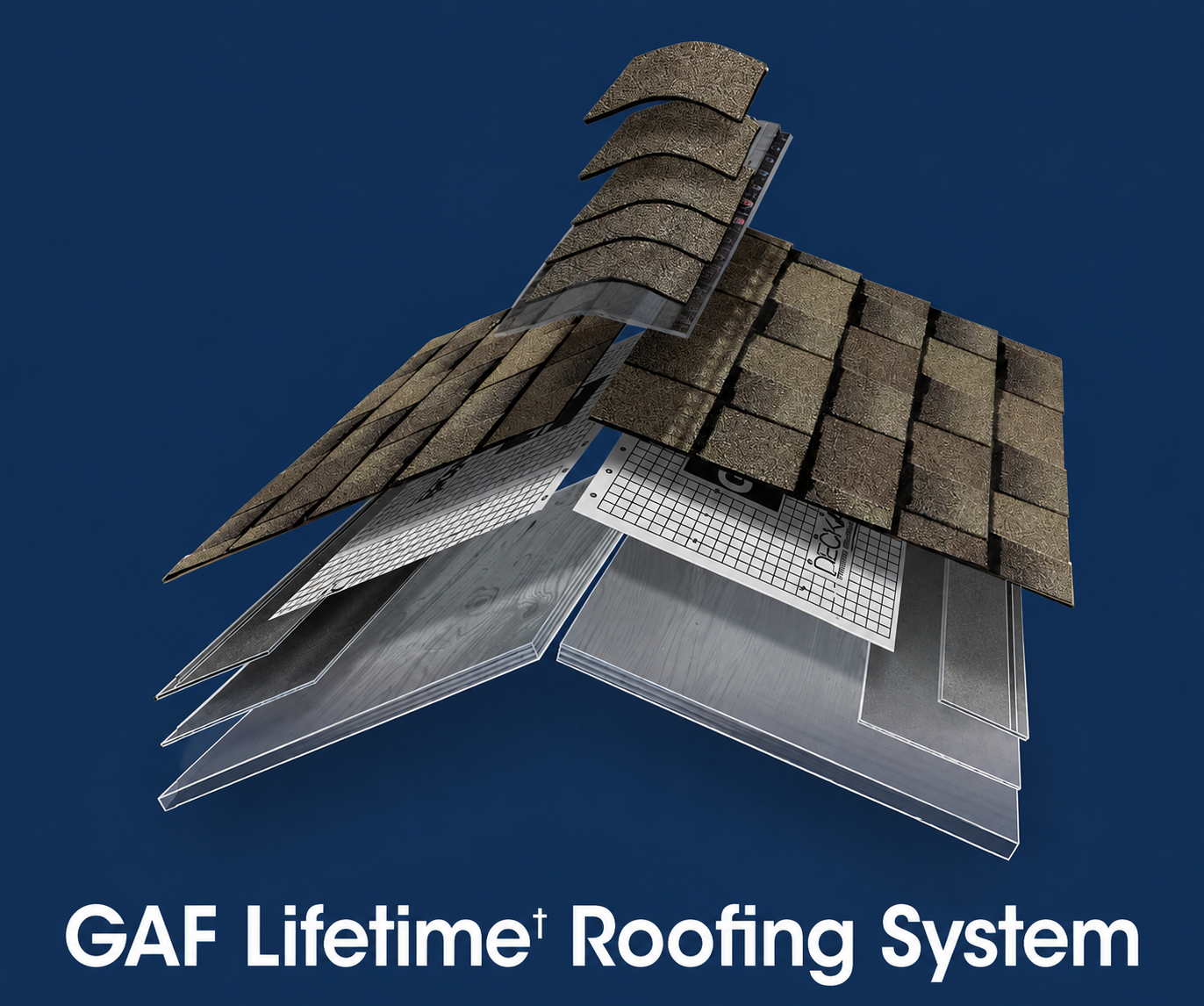
A ROOF IS A SYSTEM
Decking. Underlayment. Fasteners. Flashing. Roof edges. Valleys. Penetrations. Intake and exhaust ventilation. Starter. Ridge cap. Installation details.
We don’t just choose a shingle. We design the roofing system around the home.
BEFORE YOU COMPARE TOTALS
You do not need to be a roofer to compare proposals intelligently. Start by forcing every contractor to answer the same three questions in writing.
01
Make the roofing system visible on paper
Look for tear-off, disposal, underlayment, water protection, starter, shingles, fasteners, flashing, valleys, penetrations, ventilation, ridge and hip protection, cleanup, permits when required, and workmanship warranty.
See the Roof Replacement System →02
Hidden conditions need rules before work starts
Decking, extra tear-off layers, concealed flashing problems, structural damage, and other conditions may not be fully visible before tear-off. The contract should say how those items are documented, priced, and approved instead of leaving an open-ended surprise.
Understand Roof Cost Drivers →03
Change-order rules protect both sides
A strong proposal explains who can authorize additional work, how pricing is calculated, what documentation is provided, and whether work pauses for approval when an unexpected condition materially changes the project.
Schedule a Roof Inspection →
ROOFING SYSTEM DESIGN
A proposal should identify the system beneath and around the shingle: deck condition and attachment, underlayment, starter, roof edges, flashing, valleys, penetrations, ventilation, fasteners, ridge protection, and installation details. Those differences often explain why two prices are not actually comparable.
If one proposal is cheaper, identify what is missing, downgraded, excluded, or left undefined before assuming it is the better value.
BUILT FOR THE COAST
On the Mississippi Gulf Coast, the written scope should reflect wind-driven rain, heat, humidity, roof-edge exposure, ventilation, attic moisture, flashing, penetrations, and resilience options. Local knowledge is only useful if it changes how the roof is specified.
Edges, fastening patterns, deck attachment, and transitions matter because the roof has to resist forces that are very different from ordinary weather.
Water can be pushed into vulnerable transitions, penetrations, and edges. The system beneath the shingle matters when the weather gets aggressive.
Balanced intake and exhaust ventilation matters. Armor also looks for bathroom and other exhaust fans terminating into the attic, because they can add moisture where it does not belong.
When accessible, the attic helps explain what the roof cannot. Moisture staining, condensation, ventilation deficiencies, deteriorated decking, and exhaust issues often reveal the real cause.
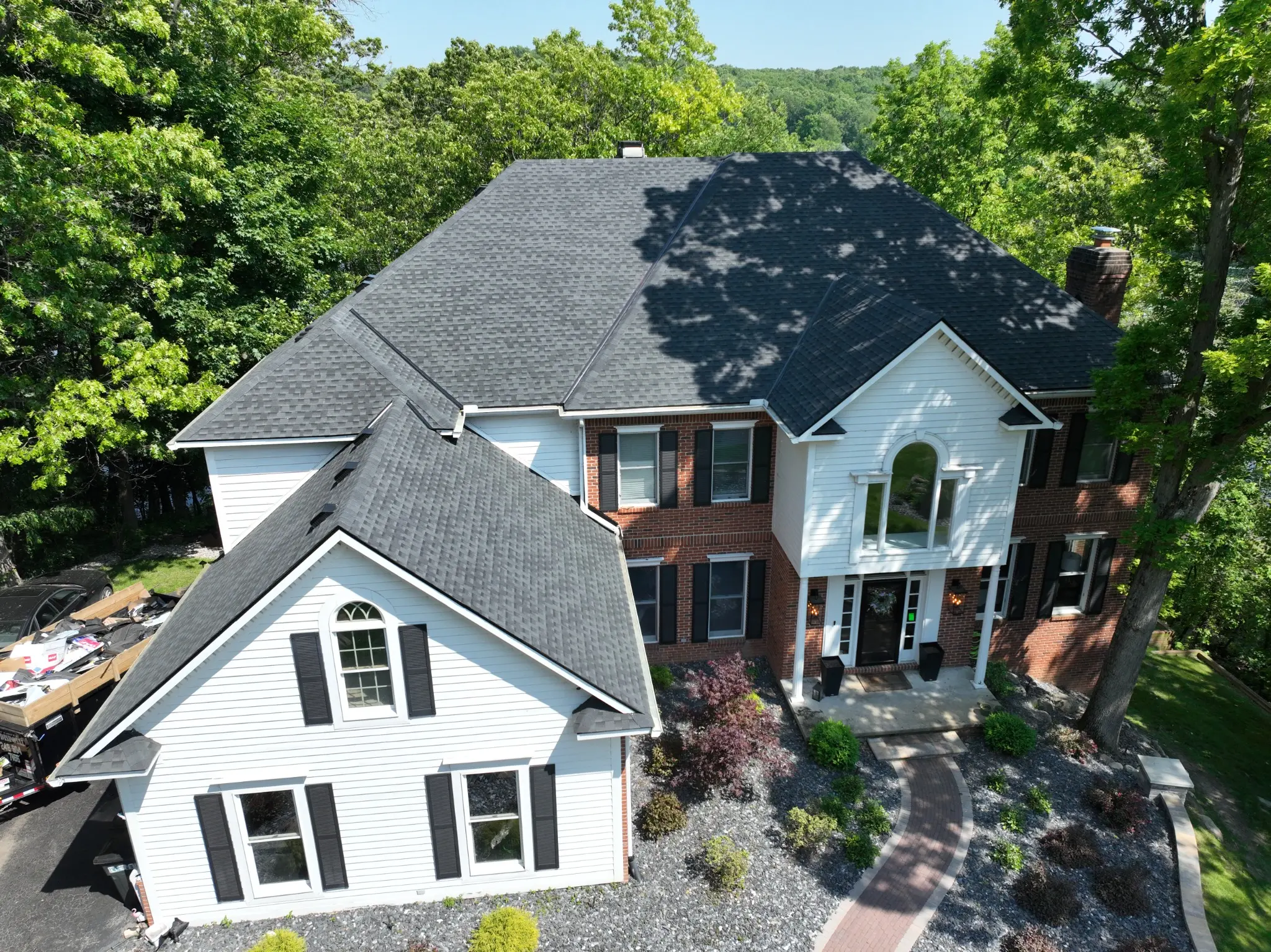
That is why an accessible attic is part of the Armor inspection whenever possible. Ventilation, moisture, exhaust termination, insulation, and the underside of the roof deck can explain problems the shingles alone cannot.
RESILIENCE UPGRADE
A proposal should make clear who owns the project after the signature: who manages production, who makes decisions when hidden conditions are found, how quality control is handled, and who responds if a workmanship issue appears later.
The contract, warranty, communication process, and change-order rules should all point to a clear chain of responsibility from inspection through installation and long-term service.
WHY IT BELONGS IN THE CONVERSATION
A roof is a system.
Details matter.
Preparation matters.
What happens underneath the shingles matters.
Your best defense starts long before the storm is in the forecast.
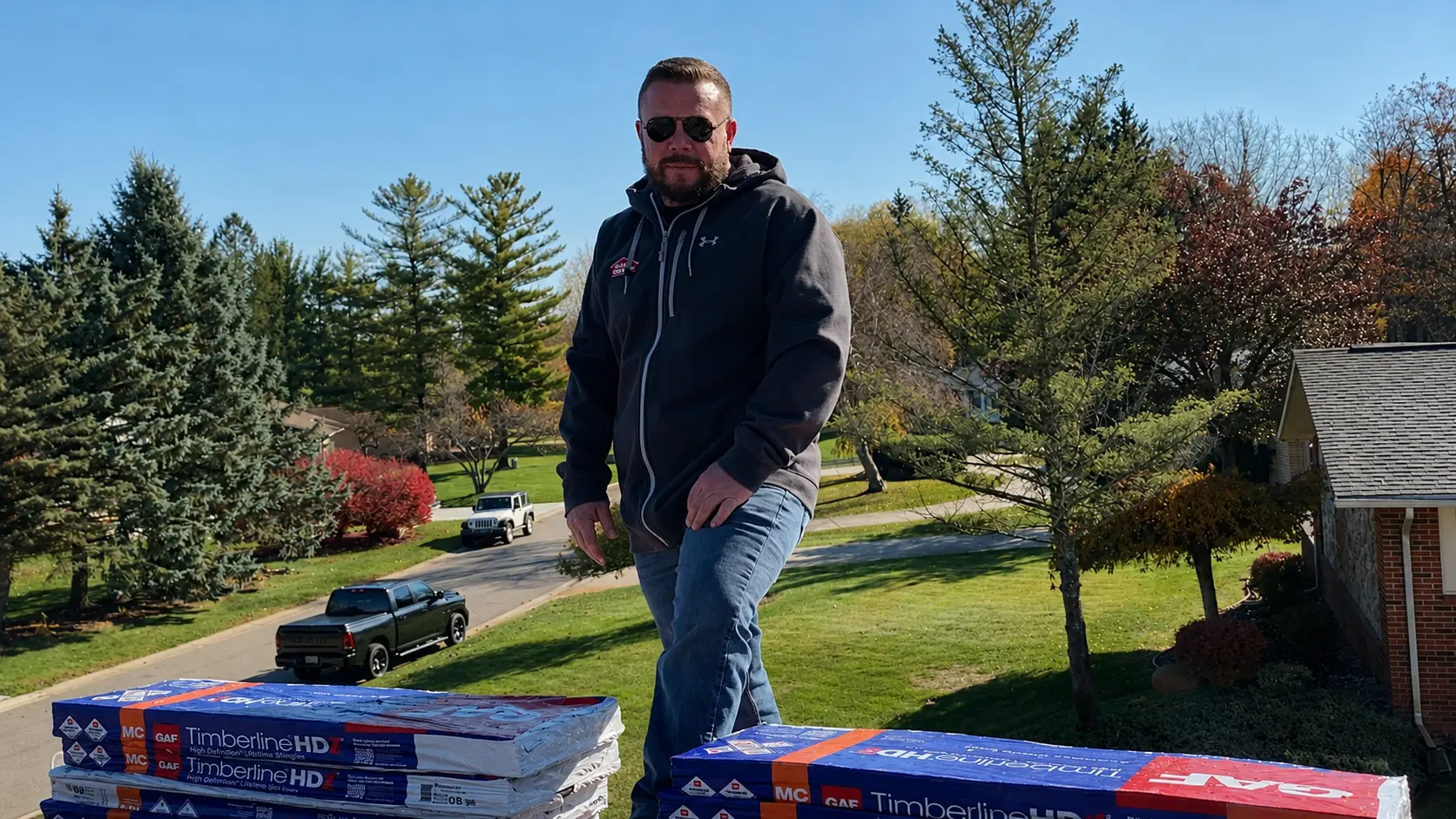
THE ARMOR INSPECTION
A roofing proposal should tell you what is being built, not simply what it costs. Look for tear-off, underlayment and water protection, shingle system, flashing, ventilation, penetrations, decking terms, cleanup, warranties, exclusions, payment schedule, and change-order rules.
The roof speaks. The attic tells the truth.
If a major part of the roofing system is missing or vague, ask about it before signing. The best time to eliminate a misunderstanding is before production starts.
REAL WORK. REAL HOMES. REAL DETAILS.
A finished-roof photo only tells part of the story. Armor project case studies are built to show what we found, why we recommended the work, the roofing system and materials selected, installation details, and the finished result.
Until Gulf Coast projects are completed, selected work from Armor's Michigan operation will be shown clearly as established company experience. We will not manufacture local projects just to fill a page.
PROPOSAL COMPARISON QUESTIONS
When proposals look similar, the details below usually reveal whether the jobs are actually comparable.
Different tear-off assumptions, decking terms, ventilation work, flashing, material systems, labor standards, warranty levels, permits, disposal, and hidden-condition rules can create a large price gap even when the roof measurement is the same.
No. The shingle is one component. Underlayment, starter, fasteners, flashing, ventilation, roof edges, penetrations, ridge protection, decking work, and installation details can be different.
Yes when ventilation work is part of the replacement. The proposal should identify intake and exhaust strategy, products or methods being used, and any attic conditions that need correction.
It should explain how damaged or unsuitable decking is identified, documented, priced, and approved. A clear unit price or defined allowance is better than an undefined extra after tear-off.
PROPOSAL RED FLAGS
Price matters. But vague scope, undefined extras, missing system details, and weak accountability can turn an attractive number into a more expensive project later.
01
Important details are left to assumption
A proposal that only lists shingles, tear-off, and a total leaves too many questions about underlayment, flashing, ventilation, roof edges, penetrations, decking, cleanup, and warranty.
02
Hidden conditions become open-ended extras
If the contract does not define how additional decking is measured and priced, a homeowner cannot know how a legitimate concealed condition will affect the final bill.
03
New shingles do not fix an attic problem
If intake, exhaust, attic moisture, or bath-fan termination are never discussed, the proposal may be replacing the visible roof without addressing conditions that affect long-term performance.
04
The sale is clear but the production process is not
Before signing, know who manages the project, who approves changes, who performs quality control, and who handles warranty or workmanship concerns after completion.
WHAT HOMEOWNERS SAY ABOUT ARMOR
Armor Roofing Gulf Coast is new to Mississippi, but the standards behind the company are not. Until local Gulf Coast reviews begin coming in, selected feedback from Armor's Michigan operation shows the kind of communication, inspection, problem-solving, and workmanship the company is built around.
LEAH | ARMOR ROOFING CUSTOMER | MICHIGAN
“He was quick, honest, and very thorough. He took his time to explain our options. I felt comfortable knowing I would receive high quality work, and that's exactly what Paul and his team at Armor Roofing delivered.”
“I would recommend Paul to any of my friends and family.”
START WITH AN INSPECTION
If you are wondering whether it is time for a new roof, Armor starts by evaluating the roofing system you already have, including attic conditions when accessible, ventilation, flashing, penetrations, decking, and the condition of the roof.
You get the facts. We give you our recommendation. You make the decision.
ARMOR ROOFING GULF COAST
Armor Roofing Gulf Coast builds proposals around the roofing system, the conditions found during inspection, and clearly defined rules for legitimate concealed conditions.