
FORTIFIED ROOFING | MISSISSIPPI GULF COAST
FORTIFIED is a voluntary construction standard developed by IBHS to reduce common roof failures in severe weather. Armor approaches it as a complete roofing system: stronger deck attachment, a sealed roof deck, better-detailed edges, compliant roof components, and required documentation.
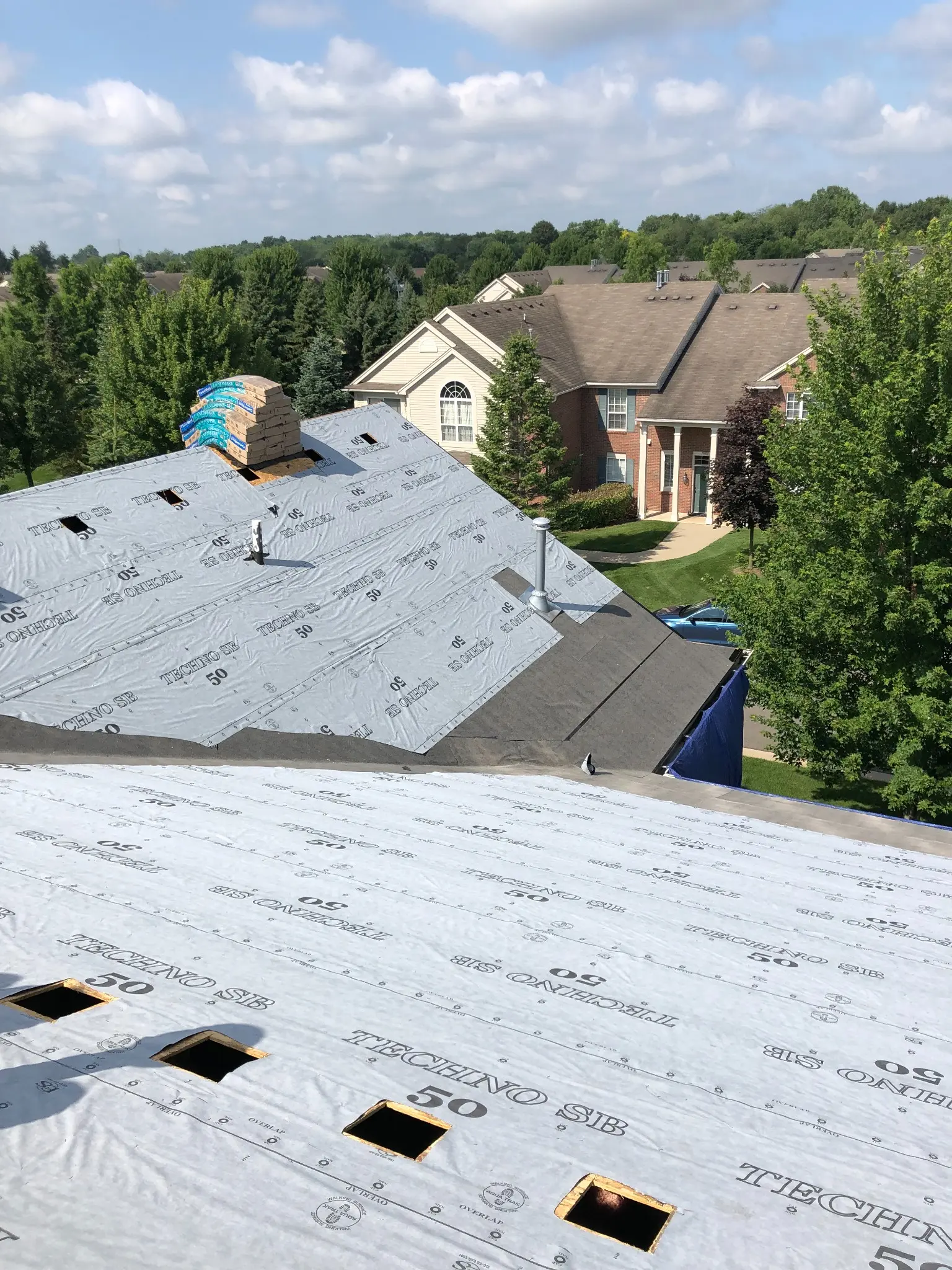
FORTIFIED IS A STANDARD
A FORTIFIED Roof is built around specific construction details that address how roofs fail in high winds and wind-driven rain. The designation is about the roof system and how it is installed, not a particular shingle brand.
The goal is not to make a roof indestructible. It is to reduce vulnerable failure points and improve the home's ability to keep wind and water out when severe weather tests the roof.

DESIGNED AROUND FAILURE POINTS
Roof deck attachment. Sealed roof deck. Drip edge. Adhered starter. Tested roof covering. Roof-mounted vents. Flashing. Penetrations. Documentation. Independent evaluation.
A stronger roof comes from a stronger system, not a more expensive shingle alone.
WHAT FORTIFIED CHANGES
The FORTIFIED Roof standard focuses on the parts most likely to determine whether the roof stays attached and whether the home stays dry when severe weather damages the roof covering.
01
Keep the structural roof deck attached in high winds
FORTIFIED uses enhanced roof-deck attachment requirements, including ring-shank nails and prescribed fastening patterns, to increase resistance to wind uplift.
See the FORTIFIED Roof System →02
A second line of defense against water intrusion
If shingles or another roof covering are damaged or blown off, a sealed roof deck helps prevent water from entering through the seams between roof-deck panels.
Why the Sealed Deck Matters →03
Protect the places where wind and rain exploit weaknesses
FORTIFIED strengthens roof edges with specific drip-edge and starter requirements and calls for tested roof coverings, compliant roof-mounted vents, and properly detailed flashing.
Start With a Roof Inspection →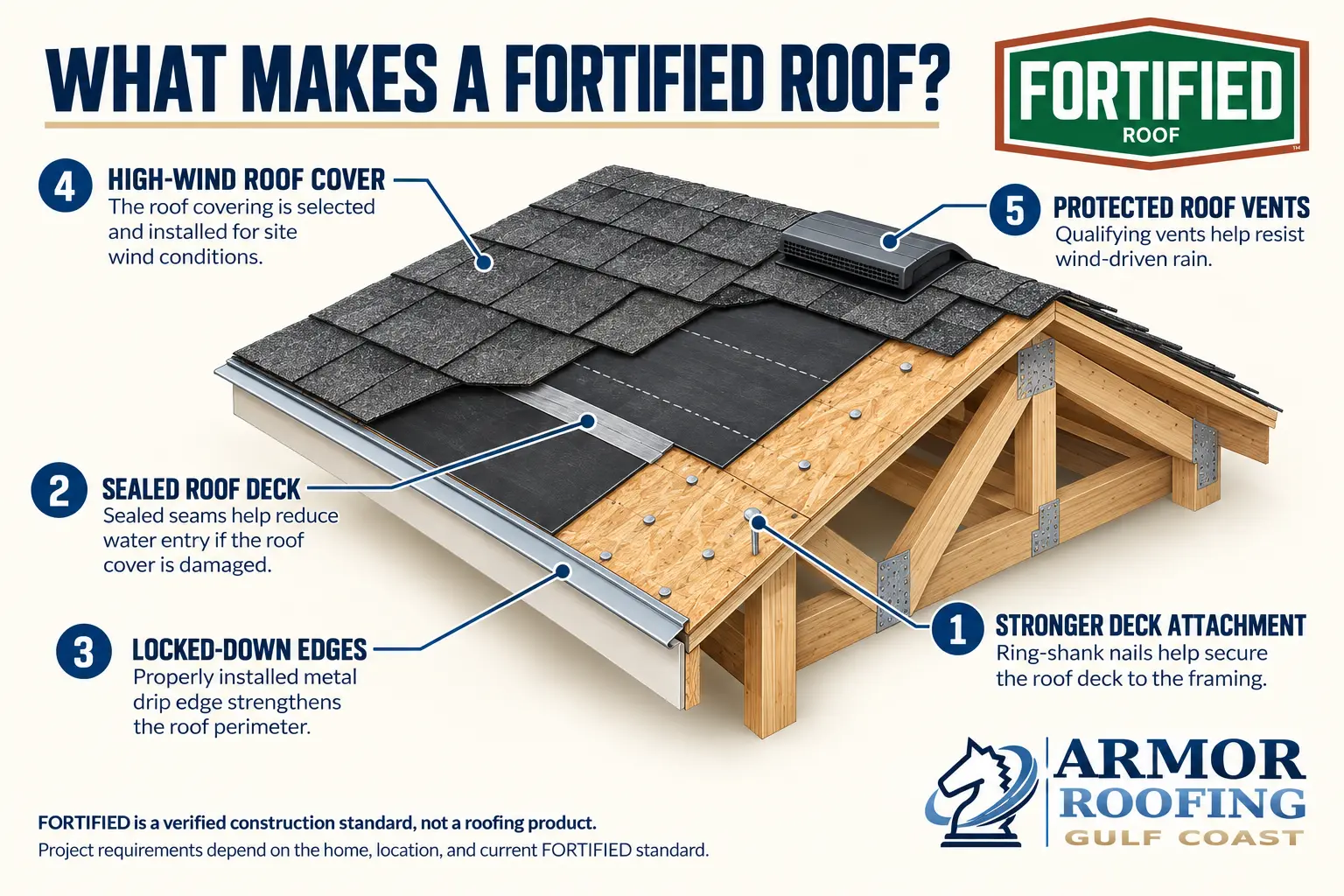
THE FORTIFIED ROOF SYSTEM
A FORTIFIED designation depends on specific materials, fastening, edge details, water-protection methods, roof components, and documentation working together. It is a construction standard for the roof assembly, not a premium shingle package.
A FORTIFIED designation is about how the system is built and verified, not the logo on the shingle wrapper.
WHY IT MATTERS HERE
On the Mississippi Gulf Coast, wind uplift and wind-driven rain are not abstract design concerns. FORTIFIED focuses on keeping the roof deck attached, limiting water entry if the roof covering is damaged, and strengthening vulnerable edges and components.
The roof deck and roof edges have to resist forces trying to pull the assembly apart. Attachment patterns, fasteners, starter, and edge details all matter.
If shingles are damaged or removed by wind, the sealed roof deck becomes the backup water-control layer that helps protect the interior through the deck seams.
Roof coverings, fasteners, vents, flashing, and other components have to be selected and installed for the site's wind exposure and applicable corrosion requirements.
Existing decking, framing, roof geometry, penetrations, ventilation, and prior work can affect the practical scope. FORTIFIED does not eliminate the need to understand the house first.

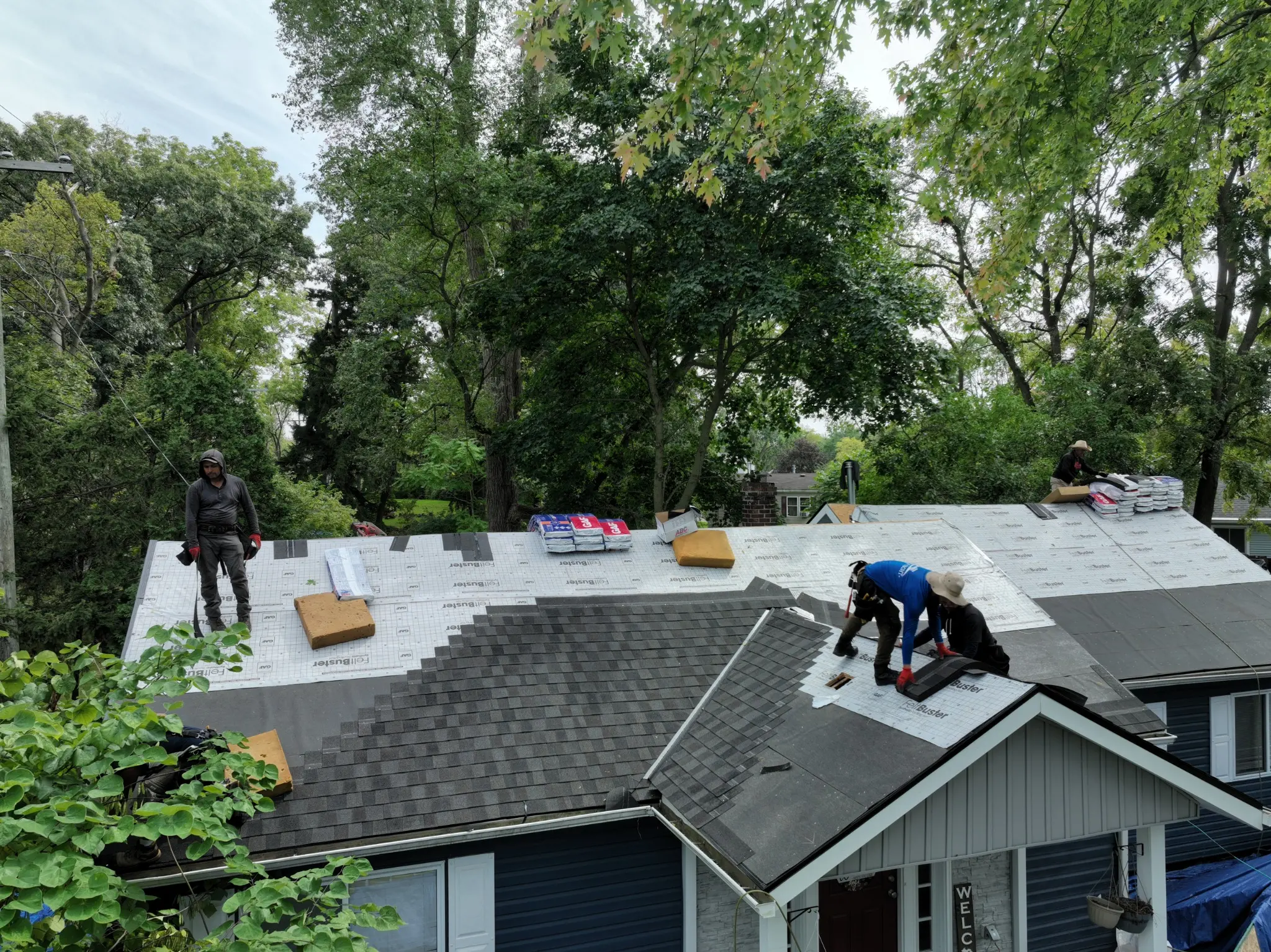
When accessible, the attic helps Armor evaluate the underside of the roof deck, framing, ventilation, moisture, and existing conditions before a FORTIFIED scope is recommended.
DESIGNATION REQUIRES VERIFICATION
FORTIFIED is not a contractor-issued certificate. A FORTIFIED designation requires an independent evaluator to document specific materials and installation details and submit the required evidence through the program.
That changes how the project has to be planned. The evaluator, documentation requirements, current standard, and roofing scope need to be coordinated before critical work is covered up.
WHAT HAS TO HAPPEN
Evaluate the home and roofing scope before work begins.
Coordinate the independent FORTIFIED evaluator.
Install the roof to the current applicable FORTIFIED standard.
Capture the required documentation as the work is installed.
The designation depends on both compliant construction and independent verification.
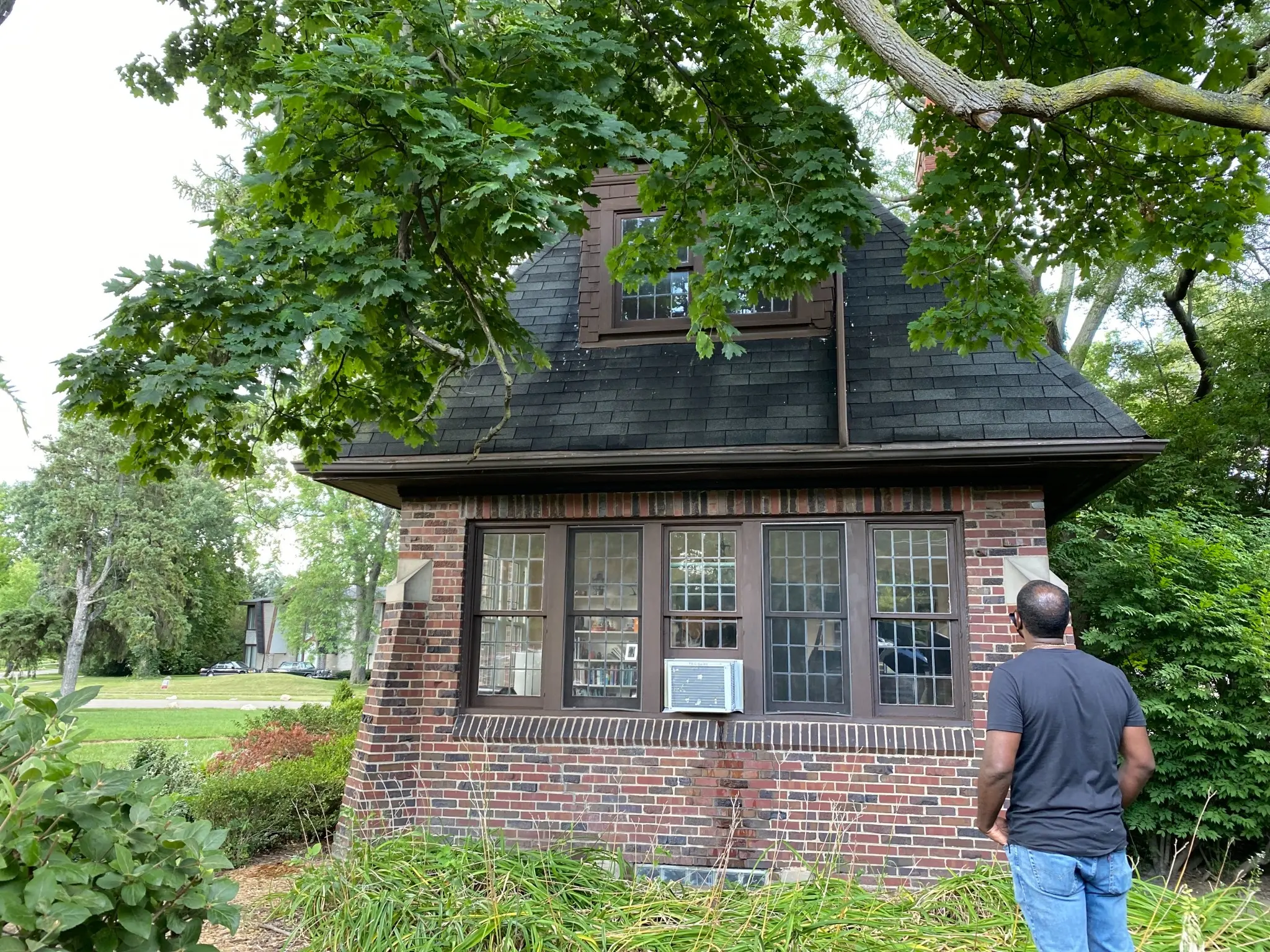
BEFORE THE FIRST NAIL
Every home begins with its own roof deck, geometry, ventilation, penetrations, framing, and prior work. Armor starts by understanding the existing roof and the homeowner's goals before recommending a FORTIFIED scope.
The standard is specific. The house is specific too.
The inspection helps define the roofing scope, identify existing conditions that may affect the work, and coordinate the project correctly before installation begins.
FORTIFIED ROOFING QUESTIONS
FORTIFIED is more specific than simply choosing a high-wind shingle. The important questions are about the roof system, documentation, independent evaluation, cost, and whether the upgrade fits the home and the homeowner's goals.
A FORTIFIED Roof is built to a voluntary construction standard from IBHS that strengthens roof-deck attachment, seals the roof deck, improves vulnerable roof edges, and requires compliant roof components and independent verification.
What Is a FORTIFIED Roof? →Minimum code is the legal baseline. FORTIFIED is a voluntary resilience standard that adds specific requirements for deck attachment, backup water protection, roof edges, tested components, documentation, and independent verification.
Compare FORTIFIED and Minimum Code →It can. Additional deck fastening, sealed-deck materials, edge details, compliant components, documentation, and evaluator fees may add cost. The exact difference depends on the existing roof and the scope required.
Read the FORTIFIED Cost Guide →It is a backup water-control layer installed at the roof deck to help limit water entry through panel seams if the roof covering is damaged or blown off during severe weather.
Read the Sealed Roof Deck Guide →SERVING THE MISSISSIPPI GULF COAST
Armor is building its Gulf Coast operation around a practical Mississippi service area where roof inspections, evaluator coordination, installation, and documentation can be managed with local accountability.
01
Coastal Exposure & Roof Resilience
FORTIFIED roof planning and residential roofing-system inspections for Biloxi homeowners considering a more resilient replacement.
02
Wind & Rain Resilience
Residential FORTIFIED roof planning for Gulfport homes where wind exposure, water protection, roof edges, and existing roof conditions all matter.
03
Residential Roof Resilience
FORTIFIED roof conversations for Ocean Springs homeowners who want to understand the construction details behind a stronger roofing system.
04
Newer & Existing Homes
FORTIFIED roof evaluation and planning for D'Iberville homes when roof replacement creates the opportunity to build beyond minimum code.
05
Bayous, Trees & Coastal Moisture
FORTIFIED roof planning for Gautier homes where wind exposure, wooded neighborhoods, moisture, roof edges, and existing roofing conditions all influence the resilience scope.
06
Working Coast & Severe-Weather Exposure
FORTIFIED roof planning for Pascagoula homes where coastal exposure, wind-driven rain, older roof assemblies, and resilient water-protection details deserve careful evaluation.
WHAT HOMEOWNERS SAY ABOUT ARMOR
Armor Roofing Gulf Coast is new to Mississippi, but the standards behind the company are not. Until local Gulf Coast reviews begin coming in, selected feedback from Armor's Michigan operation shows the kind of communication, inspection, problem-solving, and workmanship the company is built around.
LEAH | ARMOR ROOFING CUSTOMER | MICHIGAN
“He was quick, honest, and very thorough. He took his time to explain our options. I felt comfortable knowing I would receive high quality work, and that's exactly what Paul and his team at Armor Roofing delivered.”
“I would recommend Paul to any of my friends and family.”
BUILD BEYOND MINIMUM CODE
If you are considering FORTIFIED, Armor starts with the existing roof, the home's conditions, and your goals. Then we can explain the practical scope, evaluator process, and what building beyond minimum code would require.
You get the facts. We explain the options. You make the decision.
ARMOR ROOFING GULF COAST
Serving Biloxi, Gulfport, Ocean Springs, D'Iberville, Gautier, Pascagoula, and surrounding Mississippi Gulf Coast communities with inspection-first roofing and FORTIFIED planning.