
FORTIFIED ROOF EXPLAINED
A FORTIFIED Roof is built to a voluntary construction standard developed by the Insurance Institute for Business & Home Safety. It is not a shingle brand or a contractor-created package. The standard focuses on roof-deck attachment, backup water protection, vulnerable roof edges and components, documentation, and independent evaluation.

WHAT THE STANDARD MEANS
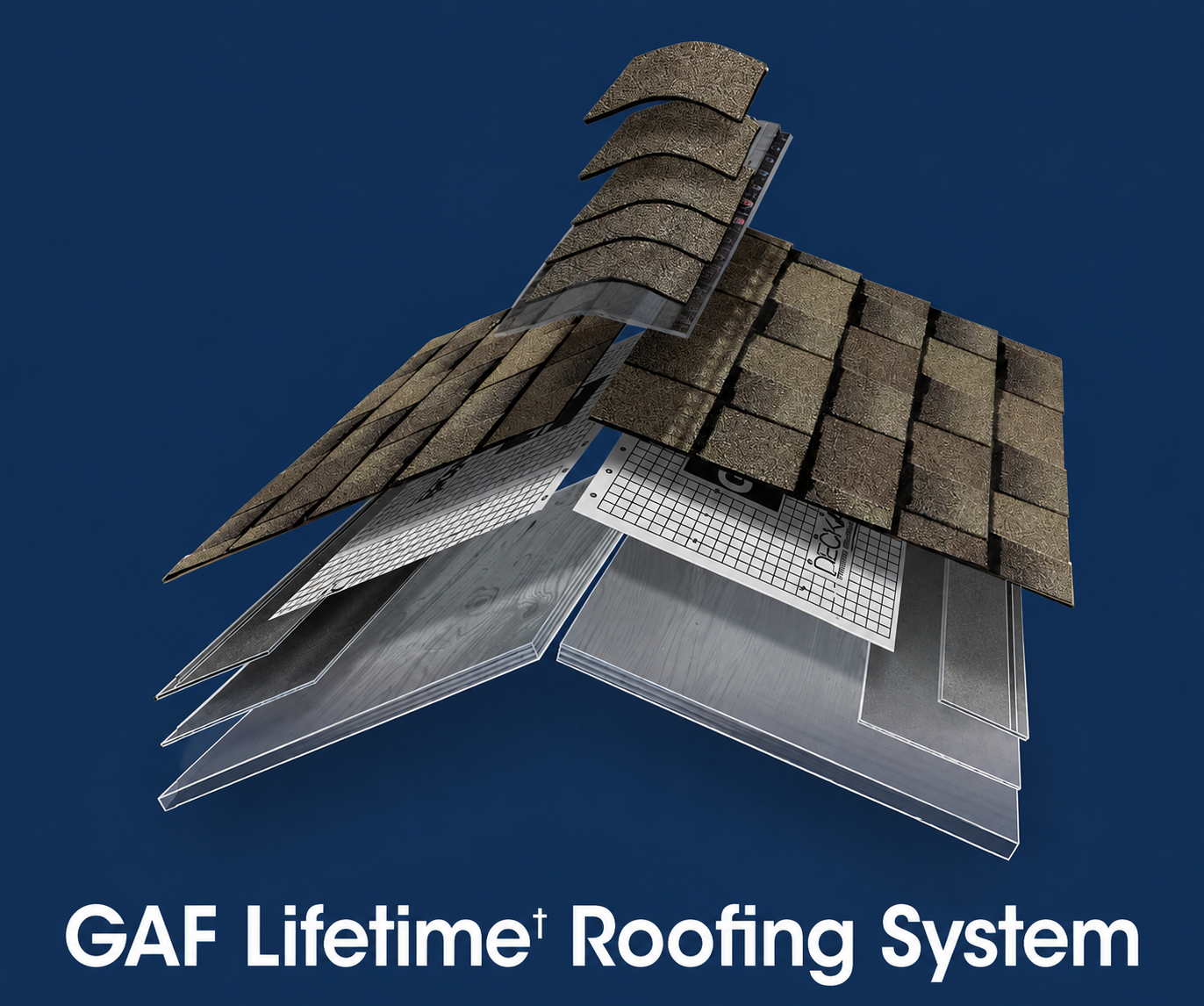
The standard addresses common ways roofs fail in severe weather. Instead of relying on the roof covering alone, it strengthens the connection between the roof deck and structure, adds a backup layer of water protection beneath the roof covering, and pays close attention to edges, vents, flashing, and penetrations.
The work also has to be documented while critical details are visible. An independent FORTIFIED evaluator reviews the required evidence and submits the project through the program. The contractor builds the roof, but the contractor does not issue the designation.
THE IMPORTANT DISTINCTION
Deck attachment. Sealed roof deck. Roof edges. Starter. Roof covering. Roof-mounted vents. Flashing. Penetrations. Documentation. Independent evaluation.
A stronger roof comes from the details working together.
THREE CORE IDEAS
The standard contains detailed requirements, but homeowners can understand the concept through three big ideas: keep the roof deck attached, keep water out if the covering is damaged, and strengthen the vulnerable details around the roof.
01
Help the structural deck resist wind uplift
FORTIFIED specifies enhanced roof-deck attachment based on the applicable standard and existing construction so the deck has greater resistance to forces trying to pull it away from the structure.
See FORTIFIED vs. Minimum Code →02
A second line of defense against water intrusion
If shingles or another roof covering are damaged or blown off, a sealed roof deck helps prevent water from entering through the seams between roof-deck panels.
How a Sealed Roof Deck Works →03
Protect the places where wind and rain exploit weaknesses
FORTIFIED strengthens roof edges with specific drip-edge and starter requirements and calls for tested roof coverings, compliant roof-mounted vents, and properly detailed flashing.
See the FORTIFIED Roofing Overview →
THE FORTIFIED ROOF SYSTEM
The designation depends on a collection of construction requirements working together. The exact project scope depends on the current applicable standard and the home, but the conversation includes roof-deck attachment, backup water protection, roof edges, roof covering, roof-mounted components, flashing and penetrations, and the documentation needed for independent evaluation.
The designation is about how the roof is assembled and verified, not a marketing label applied after the job is complete.
WHY IT MATTERS HERE
The Gulf Coast combines hurricane and tropical-storm winds with wind-driven rain, heat, humidity, salt-air exposure in some locations, and homes with very different ages and roof assemblies. FORTIFIED addresses several of the roof vulnerabilities that matter when severe weather tests the building.
The roof deck and roof edges have to resist forces trying to pull the assembly apart. Attachment patterns, fasteners, starter, and edge details all matter.
If shingles are damaged or removed by wind, the sealed roof deck becomes the backup water-control layer that helps protect the interior through the deck seams.
Roof coverings, fasteners, vents, flashing, and other components have to be selected and installed for the site's wind exposure and applicable corrosion requirements.
Existing decking, framing, roof geometry, penetrations, ventilation, and prior work can affect the practical scope. FORTIFIED does not eliminate the need to understand the house first.
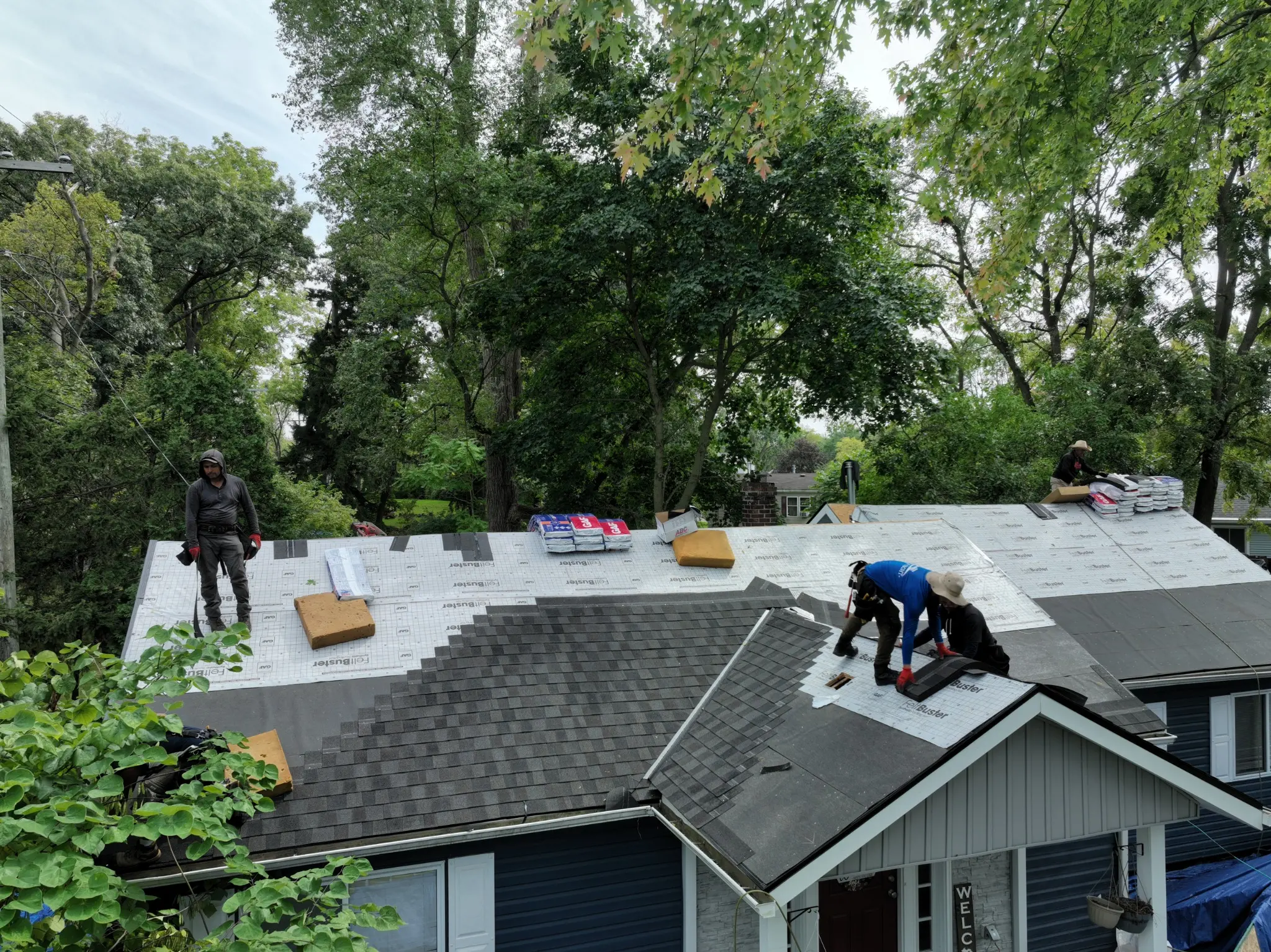
When accessible, the attic helps Armor evaluate the underside of the roof deck, framing, ventilation, moisture, and existing conditions before a FORTIFIED scope is recommended.
INDEPENDENT VERIFICATION
A FORTIFIED designation is not a certificate a roofing contractor can issue. An independent evaluator documents required materials and installation details, verifies the project against the applicable program requirements, and submits the evidence through the FORTIFIED process.
That means evaluator coordination and documentation have to be planned before work begins. Critical details cannot simply be recreated after they have been covered by the next layer of the roofing system.
WHAT HAS TO HAPPEN
Evaluate the home and roofing scope before work begins.
Coordinate the independent FORTIFIED evaluator.
Install the roof to the current applicable FORTIFIED standard.
Capture the required documentation as the work is installed.
The designation depends on both compliant construction and independent verification.
BEFORE THE SCOPE IS WRITTEN
Existing roof decking, framing, roof geometry, ventilation, penetrations, additions, prior repairs, and site exposure can all affect what a FORTIFIED project requires. The inspection establishes what is already there before the roofing scope and evaluator plan are finalized.
The standard is specific. The house is specific too.
FORTIFIED does not eliminate the need for a good inspection. It makes understanding the existing house even more important.
KEEP LEARNING ABOUT FORTIFIED
Once the basic standard makes sense, the next questions are usually cost, what changes beyond minimum code, how the sealed roof deck works, and how the designation is independently verified.
The added investment depends on what the existing roof already has and what must change for deck attachment, sealed roof deck, edges, compliant components, documentation, and evaluator coordination.
Read the FORTIFIED Cost Guide →Building code establishes minimum legal requirements. FORTIFIED adds a resilience-focused construction and verification standard aimed at reducing common wind and water failure points.
FORTIFIED vs. Minimum Code →It is a backup water-control layer designed to help prevent water from entering through the seams between roof-deck panels if the roof covering is damaged or removed.
Learn About the Sealed Roof Deck →An independent FORTIFIED evaluator documents the work and submits the required evidence. The roofing contractor installs the system but does not issue the designation.
FORTIFIED Roofing Overview →KEEP LEARNING ABOUT FORTIFIED
FORTIFIED makes more sense when the homeowner can see what changes, what it costs, how it differs from minimum-code roofing, and why the sealed roof deck matters.
01
What changes the added investment
See how existing deck attachment, sealed-deck method, edges, components, documentation, and evaluator requirements can change the added cost.
Read the FORTIFIED Cost Guide →02
What building beyond code actually changes
Compare the construction and verification requirements side by side so the difference is more than a marketing phrase.
Compare FORTIFIED and Minimum Code →03
The backup water-control layer
Learn why protecting roof-deck seams matters when severe weather damages or removes the roof covering.
Learn About the Sealed Roof Deck →04
From education to a real roofing scope
Return to Armor's main FORTIFIED service page to see how inspection, planning, evaluator coordination, installation, and documentation fit together.
FORTIFIED Roofing Overview →WHAT HOMEOWNERS SAY ABOUT ARMOR
Armor Roofing Gulf Coast is new to Mississippi, but the standards behind the company are not. Until local Gulf Coast reviews begin coming in, selected feedback from Armor's Michigan operation shows the kind of communication, inspection, problem-solving, and workmanship the company is built around.
LEAH | ARMOR ROOFING CUSTOMER | MICHIGAN
“He was quick, honest, and very thorough. He took his time to explain our options. I felt comfortable knowing I would receive high quality work, and that's exactly what Paul and his team at Armor Roofing delivered.”
“I would recommend Paul to any of my friends and family.”
BUILD BEYOND MINIMUM CODE
If you are considering FORTIFIED, start with the existing roof, the home's conditions, and your goals. Then the practical scope, evaluator process, and construction requirements can be explained before work begins.
Facts first. Options second. Decisions last.
ARMOR ROOFING GULF COAST
FORTIFIED planning for Mississippi Gulf Coast homeowners who want to understand what building beyond minimum code actually changes before making the investment.