
ARMOR ROOFING LEARNING CENTER | MISSISSIPPI GULF COAST
Most homeowners do not need more roofing sales language. They need to understand what the roof is doing, what a contractor is recommending, why the scope makes sense, and whether the company behind the proposal can actually be trusted to perform and stand behind the work. This Learning Center breaks down roof replacement, FORTIFIED roofing, storm restoration, insurance-related scope, contractor accountability, consumer protection, ventilation, cost, and real Gulf Coast homeowner decisions in plain language.

EXPLORE THE CORE TOPICS
Use these three paths to go deeper into replacement decisions, resilient FORTIFIED construction, or storm restoration and insurance-related roofing scope.
01
Cost, repair vs. replace, proposals, and ventilation
Learn what changes roof-replacement cost, how to decide whether repair still makes sense, how to compare competing proposals, and why attic ventilation belongs in the roofing conversation.
Explore Roof Replacement →02
Resilience, sealed decks, cost, and minimum code
Understand what the FORTIFIED standard changes, how sealed roof decks work, what can affect upgrade cost, and how a resilience standard differs from simply meeting the local code baseline.
Explore FORTIFIED Roofing →03
Damage, coverage roles, supplements, and repairability
Learn what to do after possible storm damage, who determines insurance coverage, what a legitimate roofing supplement is, and how material matching and repairability can change the construction scope.
Explore Storm Restoration →START WITH THE DECISION
A roofing decision gets easier when you understand the system underneath the sales proposal. Decking, water protection, flashing, ventilation, roof edges, penetrations, material availability, installation details, and documentation can matter as much as the shingle name on the estimate.
The guides here are organized around the questions homeowners actually face before, during, and after a roofing project.
FACTS FIRST
This library is built from real inspections, repairability questions, roofing estimates, material shortages, storm claims, ventilation problems, production lessons, and the construction details that determine whether a roof actually works.
Understand the problem. Understand the scope. Then decide.
HOW TO USE THIS LIBRARY
The most useful roofing answers begin with the house in front of you: the roof condition, attic, ventilation, decking, flashing, materials, age, previous repairs, and the homeowner's actual concern.
From there, the decision may become repair versus replacement, standard versus FORTIFIED construction, proposal comparison, storm documentation, or insurance-related scope. The guides are written to help separate those questions instead of blending them into one sales pitch.
THE ARMOR STANDARD
Good roofing education should make the decision clearer, not make the homeowner more dependent on the person selling the job. The goal of this library is to explain what matters, what can vary, and what should be verified.
When the answer depends on the actual roof, the next step is an inspection, not a stronger sales claim.
STORM RESTORATION GUIDES
Storm restoration mixes construction, documentation, material availability, and insurance decisions. These guides separate those roles so homeowners can understand what the roof needs and what the carrier actually decides.
If the home is safe and dry, learn why an inspection can help establish the roof condition before a claim decision starts driving the conversation.
Read Roofer or Insurance First? →The carrier interprets coverage. The roofer documents conditions, repairability, and construction scope. Learn why keeping those roles separate matters.
Read Who Determines Coverage? →See how legitimate construction items, hidden conditions, and project requirements can require additional documentation without turning the process into claim inflation.
Read What Is a Roofing Supplement? →Learn why identifying a shingle is not the same as proving enough compatible material exists to perform a correct localized repair.
Read Shingle Matching & Repairability →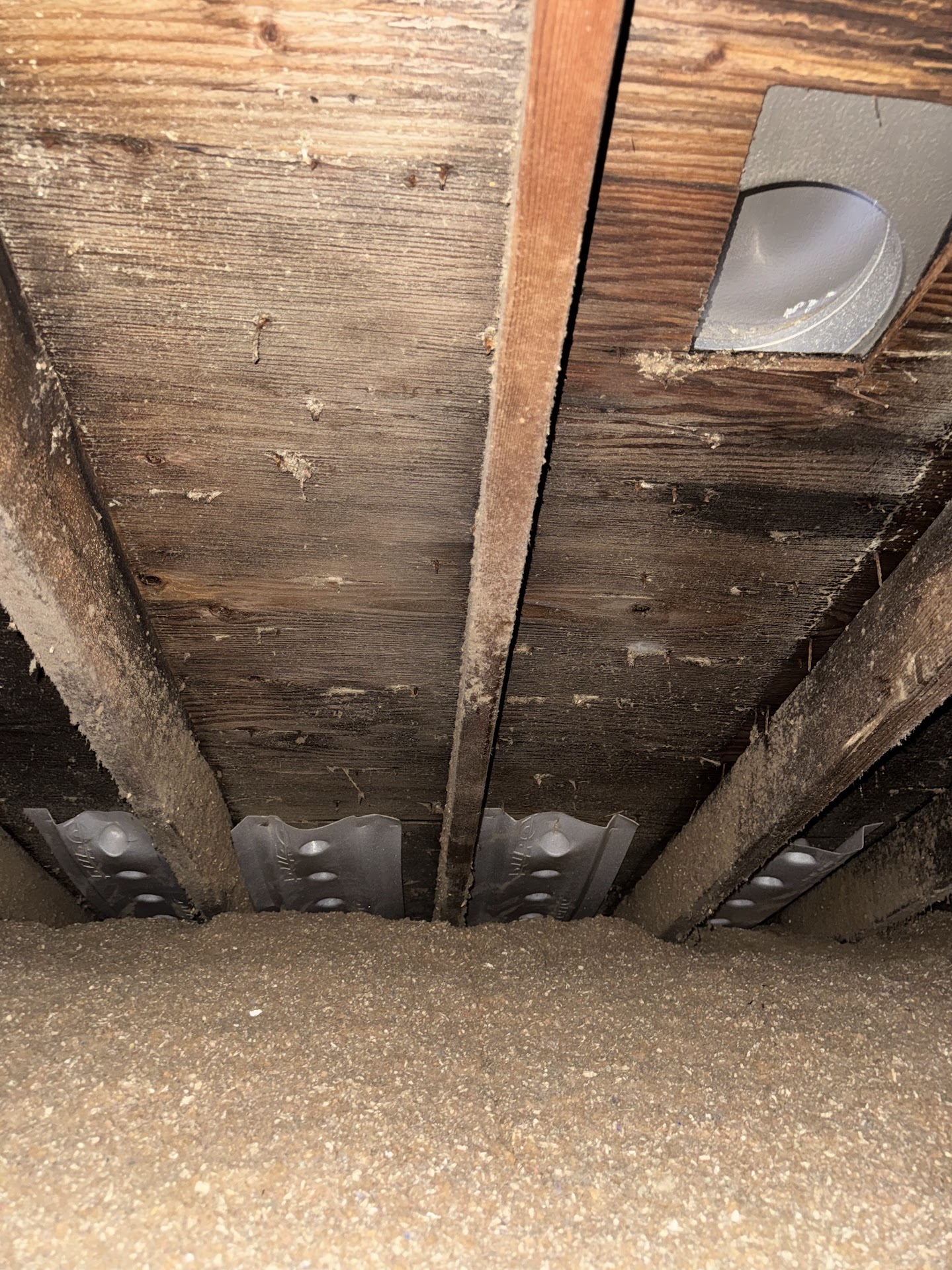
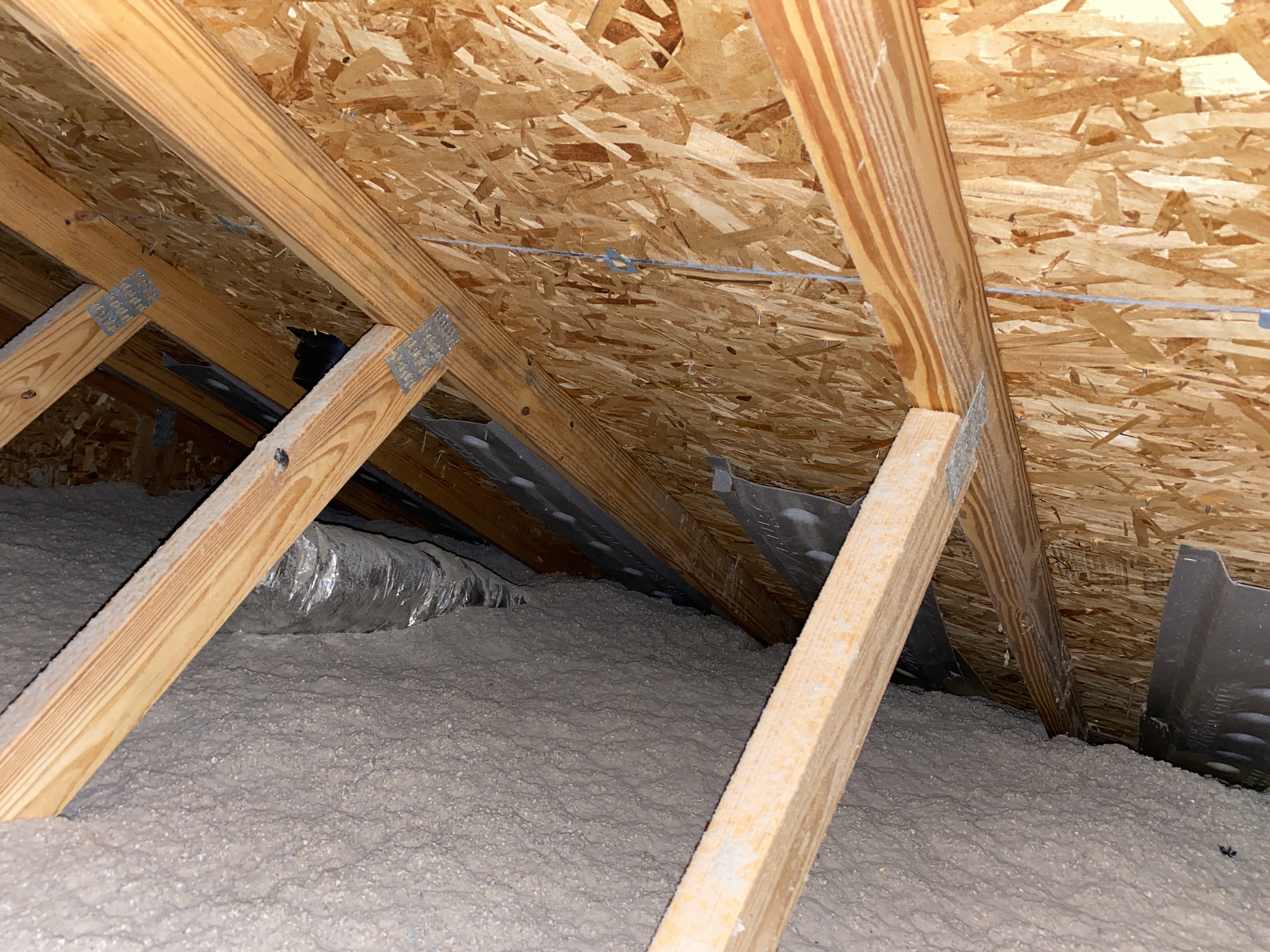
The roof may show the damage. The attic can help explain the path water took and whether the roof deck or ventilation system has additional concerns.
THE ARMOR INSPECTION
The question is simple: What does this house actually need? We start with the homeowner's concerns, evaluate the roofing system, and inspect the attic whenever it is safely accessible.
The roof speaks. The attic tells the truth.
A stain may show moisture. The attic may explain why. Premature roof aging may look like a shingle problem until ventilation or trapped moisture tells a different story.
GULF COAST HOMEOWNER GUIDES
Coastal roofing decisions intersect with hurricane deductibles, wind-only coverage, flood exposure, roof age underwriting, FORTIFIED incentives, state mitigation programs, and hurricane-season timing. These guides explain those issues without pretending a roofing contractor controls the insurance policy.
See how percentage deductibles are commonly calculated, why they can be much larger than a standard dollar deductible, and what policy language homeowners should review before a storm.
Read the Hurricane Deductible Guide →Learn why wind, wind-driven rain, storm surge, and flooding can involve different coverage and why documenting the physical path of damage matters after a storm.
Read Wind Damage vs. Flood Damage →Understand the Mississippi Windstorm Underwriting Association, separate wind and hail coverage, eligibility basics, and the questions Gulf Coast homeowners should ask their insurance agent.
Read the Mississippi Wind Pool Guide →Roof age, roofing material, mitigation features, and documented resilience improvements can affect underwriting and pricing, but the carrier determines actual eligibility and savings.
Read the New Roof & Insurance Guide →Learn how roof age can influence underwriting and pricing and what Mississippi homeowners should understand about age, condition, documentation, and current state protections.
Read the Roof Age & Insurance Guide →If an underwriting, cancellation, nonrenewal, or replacement letter cites roof age, start by identifying exactly what the carrier is requesting and what current Mississippi law actually says.
Read the Roof-Age Letter Guide →Review current program eligibility basics, the role of the Mississippi Wind Pool, FORTIFIED evaluation, contractor requirements, grant sequencing, and what homeowners should verify before applying.
Read the Strengthen Mississippi Homes Guide →FORTIFIED designation may create insurance incentives, but discounts are carrier-specific. Learn what homeowners should confirm before assuming a particular premium reduction.
Read the FORTIFIED Insurance Guide →Age alone does not decide it. Condition, repairability, flashing, decking, ventilation, insurance timing, material availability, and the safe installation window all belong in the decision.
Read the Pre-Hurricane Replacement Guide →Use the Mississippi Gulf Coast Hurricane Preparedness Checklist →CONTRACTOR ACCOUNTABILITY & CONSUMER PROTECTION
A roofing contractor can have a polished sales presentation and still leave the homeowner exposed. These guides focus on the operating questions that matter: communication, reliability, deposits, company stability, warranty accountability, and how to compare contractors before signing.
Learn how to document missed communication, unfinished work, deposits, warranty concerns, and the next practical steps when a contractor becomes difficult to reach.
Read the Contractor Communication Guide →A neighborhood tag can help you find names, but it does not verify ownership, licensing, insurance, scope, workmanship, reviews, or who will remain accountable after the job.
Read the Facebook Recommendation Guide →Look beyond promises and evaluate the systems behind scheduling, communication, documentation, supplier relationships, production, and post-job service.
Read the Contractor Reliability Guide →Before money changes hands, verify the company, written scope, insurance, licensing, payment terms, project timing, cancellation terms, and who is responsible for the work.
Read the Roofing Deposit Checklist →Understand the difference between manufacturer coverage, contractor workmanship promises, enhanced manufacturer-backed warranties, registration, transfer terms, and long-term company accountability.
Read the Roofing Warranty Guide →Compare contractors using stability, reputation, professionalism, workmanship, price integrity, communication, documentation, and the quality of the roofing scope instead of price alone.
Read the Contractor Selection Guide →ROOF REPLACEMENT GUIDES
These guides cover the questions that usually determine whether a roof proposal makes sense: what replacement costs, whether repair is still practical, what is actually included in the bid, and whether the attic and ventilation system are being considered.
See how roof size, pitch, tear-off, decking, ventilation, materials, FORTIFIED upgrades, and Gulf Coast conditions can change the final price.
Read the Roof Replacement Cost Guide →Learn how age, damage extent, material availability, repairability, decking, flashing, ventilation, and long-term value affect the decision.
Read Repair vs. Replacement →Two bids can use the same shingle and still describe very different jobs. Compare tear-off, decking, flashing, ventilation, edges, penetrations, cleanup, warranties, and change-order rules.
Read the Proposal Comparison Guide →New shingles do not correct blocked intake, unbalanced exhaust, trapped moisture, or bath fans terminating in the attic. Replacement is the time to evaluate the system.
Read the Attic Ventilation Guide →FORTIFIED ROOFING GUIDES
FORTIFIED is not a shingle upgrade or marketing package. These guides explain the construction standard, cost, the difference from minimum code, and the sealed roof deck that helps control water if the roof covering is damaged.
01
Start with the standard
Learn how stronger deck attachment, backup water protection, roof edges, rated components, documentation, and independent evaluation work together as a roofing-system standard.
Read What Is a FORTIFIED Roof? →02
Price the actual upgrade scope
There is no universal FORTIFIED surcharge. Existing decking, attachment, sealed-deck detail, components, documentation, evaluator fees, and project conditions can all change the added cost.
Read the FORTIFIED Roof Cost Guide →03
Compare the baseline to the resilience standard
Compare the local code baseline with FORTIFIED's voluntary resilience standard, including deck attachment, sealed roof deck, edges, components, documentation, and independent evaluation.
Read FORTIFIED vs. Minimum Code →04
Backup water protection below the roof covering
Learn how a sealed roof deck helps limit water movement through roof-deck seams if the primary roof covering is damaged or lost during severe weather.
Read the Sealed Roof Deck Guide →BUILT AROUND HOMEOWNER DECISIONS
Start with the problem in front of you, then follow the related questions. These guides connect roof systems, costs, insurance, FORTIFIED construction, contractor accountability, and Gulf Coast conditions so you can make a decision with the full picture.
EIGHT CONNECTED KNOWLEDGE AREAS
Roof Systems & Technical | Roof Replacement & Buying | Maintenance & Homeownership | Projects & Field Notes
Every guide helps you understand the issue, compare options, and verify the next step.
STILL HAVE A ROOFING QUESTION?
Some roofing questions can be answered in a guide. Others depend on the roof, attic, materials, ventilation, history, and conditions at the home.
When the answer depends on the house, Armor starts with an inspection and explains the findings before recommending the next step.
ARMOR ROOFING LEARNING CENTER
Practical roofing education for homeowners across Biloxi, Gulfport, D'Iberville, Ocean Springs, Gautier, Pascagoula, and surrounding Mississippi Gulf Coast communities.