
CONTRACTOR SELECTION GUIDE | MISSISSIPPI GULF COAST
Most homeowners replace a roof only a few times in their lives, yet the decision involves ownership, trust, communication, installation quality, warranties, scope, and price. Use this five-pillar framework to compare the company behind the proposal, not just the number at the bottom.
THE FIVE-PILLAR FRAMEWORK
A roofing proposal tells you what a company wants to sell. The hiring decision should also consider whether the company is stable, whether its reputation can be verified, how it communicates and documents work, whether it understands the complete roof system, and whether the price is tied to a complete scope.
Score each contractor on the same questions. Do not reward a low number for leaving important work vague, and do not assume a high number automatically means a better roof. The goal is comparable information before commitment.
COMPARE THE COMPANY, NOT JUST THE SHINGLE
Stability tells you who is behind the company. Reputation shows what others can verify. Professionalism shows how the company operates. Workmanship shows whether it understands and installs the roof as a system. Price Integrity tells you whether the number is tied to an honest scope.
Better questions create better comparisons.
PILLARS 1–3
Before comparing shingles or colors, understand who owns the company, what others can verify about it, and how it operates when nobody is performing a sales presentation.
01
Who is really behind the company?
A roof affects your home for years, so find out who owns the company, where it operates, whether the legal company name matches the contract, license and insurance, and who remains accountable after final payment. Stability is not about being the biggest company. It is about being a real, reachable business with a structure that can stand behind its work.
Will They Still Be Around for the Warranty? →02
Claims are easy. Proof matters.
Read beyond the star rating. Look for specific patterns involving punctuality, communication, cleanup, respect for the property, problem solving, completed work, and whether the homeowner would hire the company again. Photos, reviews, references, supplier and manufacturer relationships, and professional responses to concerns are all stronger evidence than a slogan.
Why a Facebook Recommendation Isn't Enough →03
A process, not a performance.
Professionalism shows up between the promises: arriving prepared, listening before recommending, documenting conditions, communicating schedule and expectations, protecting the property, recording changes before proceeding, completing a final review, and remaining reachable after the job is paid.
How to Know a Roofing Company Will Show Up →PILLARS 4–5
Workmanship is more than whether the shingle rows look straight. A roofing contractor should understand the deck, underlayment, leak protection, roof edges, flashing, ventilation, penetrations, fasteners, ridge and hip details, and manufacturer requirements as one system. The installation decides whether the materials can perform as intended.
Price Integrity means the number is tied to a clear scope. Compare what is included, what is excluded, how damaged decking is handled, whether ventilation and flashing are addressed, what could become a change order, how cleanup is handled, and what warranty is actually being provided. Cheap, expensive, and honest are not the same thing.
THE COMPARISON RULE
Two contractors can quote the same recognizable shingle and still be proposing materially different roofing systems. Components, preparation, ventilation, flashing, fastening, workmanship, documentation, and warranty coverage can all change what the homeowner is actually buying.
Do not compare totals until you can compare the systems and scopes behind those totals.
FOUR QUESTIONS THAT SEPARATE CONTRACTORS
Good contractors should be able to answer specific questions without hiding behind a brochure, a brand name, or a vague promise.
Know the legal company name, ownership, business location, licensing and insurance structure, and who is responsible when a workmanship question or warranty issue appears later. Accountability should not become unclear the moment the final check clears.
Hidden layers, deteriorated decking, flashing problems, or other concealed conditions can change a roofing project. Ask how those discoveries are documented, priced, explained, and approved before additional work proceeds.
Ask about materials by brand and type, tear-off, underlayment, leak protection, flashing, ventilation, decking allowances, cleanup, disposal, permits when applicable, warranty registration, exclusions, and anything that could change the final price.
Look for photo documentation, manufacturer installation requirements, inspection checkpoints, a final review, warranty paperwork, and a company willing to explain the details that disappear once the finished roof covers them.
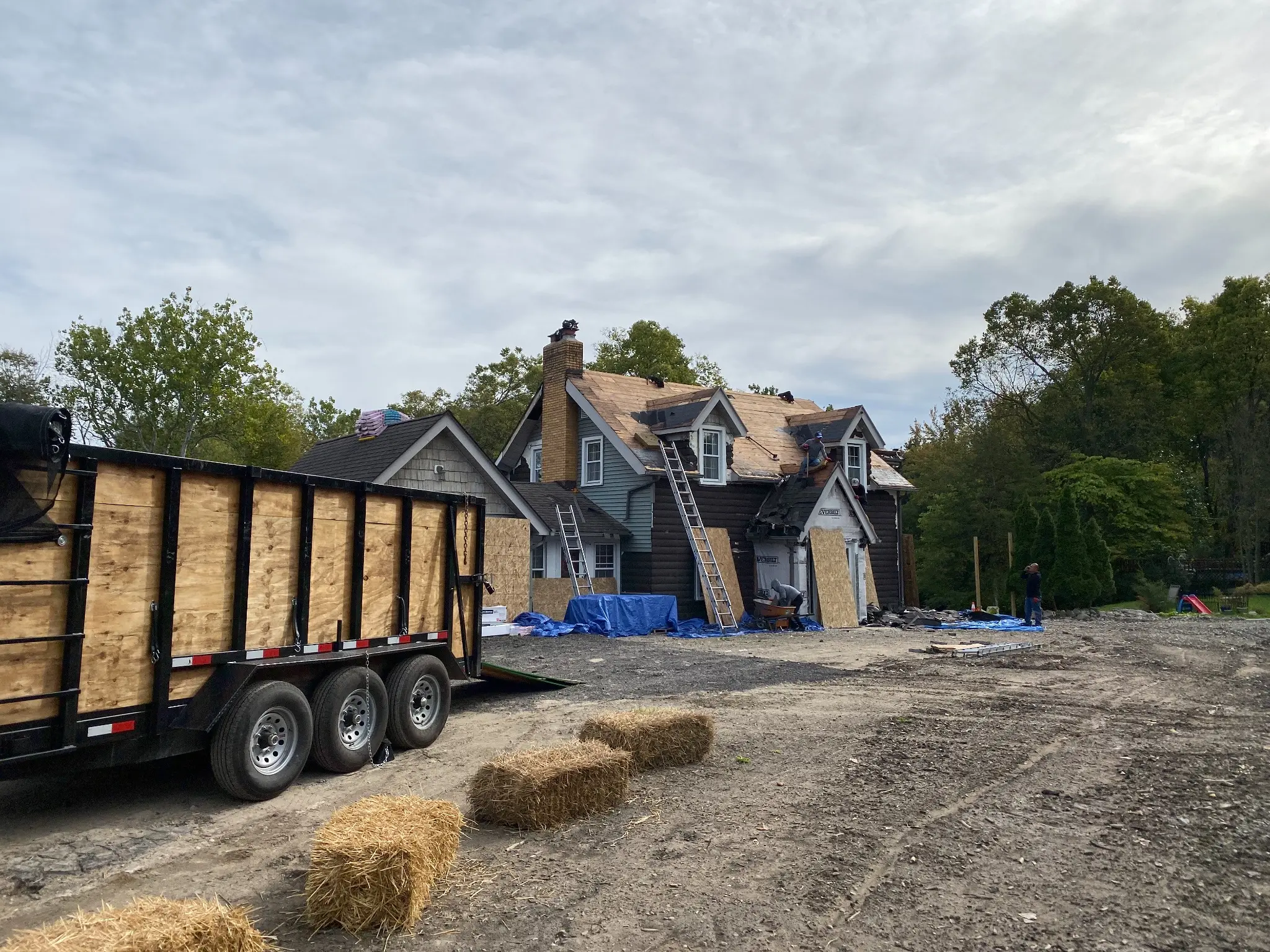

Good documentation makes the invisible parts of the project easier to verify before they are covered by the finished roof.
THE PROFESSIONAL STANDARD
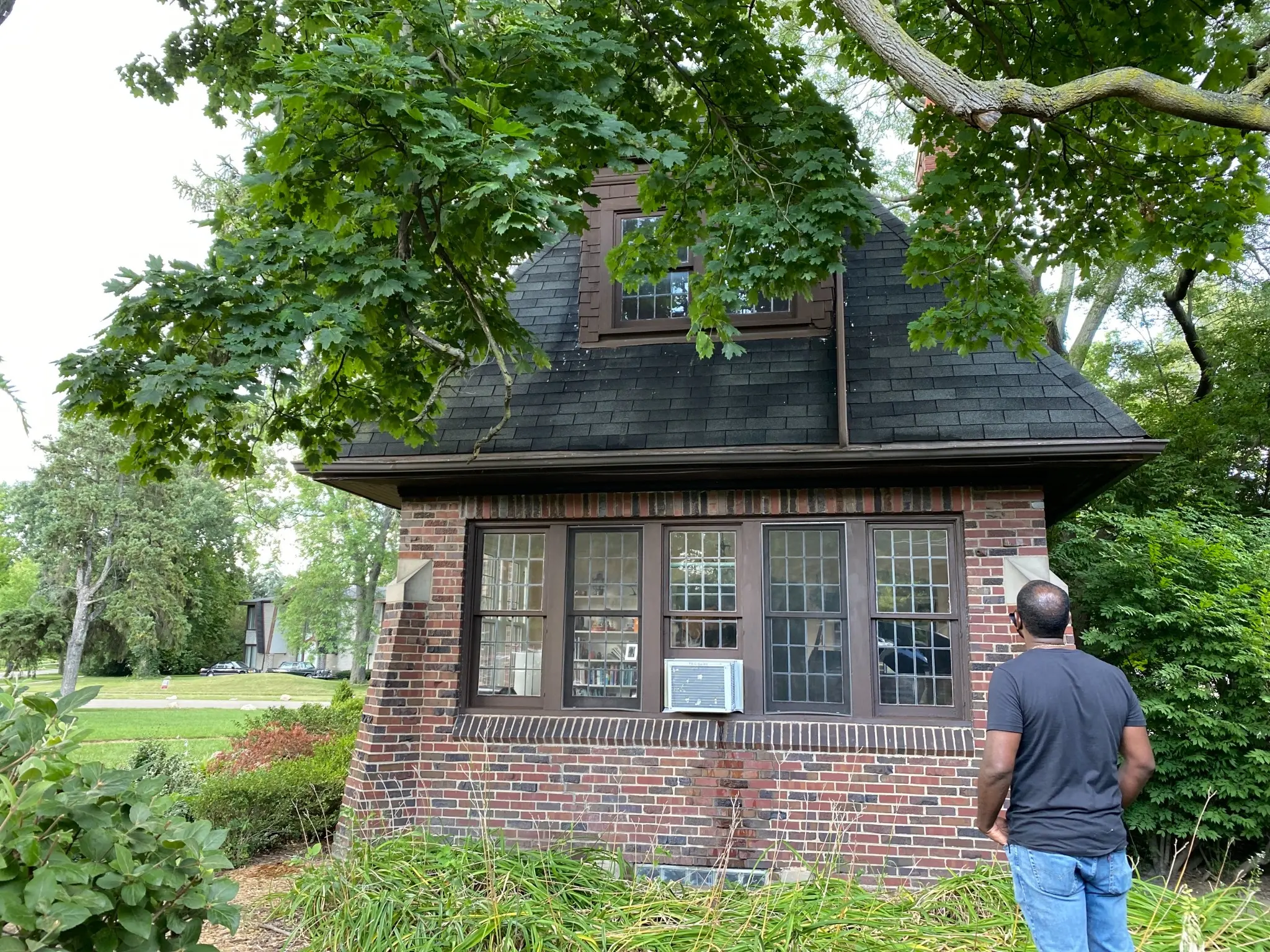
The truck matters. The proposal matters. The warranty matters. But professionalism is proven in the smaller moments: whether the contractor arrives prepared, listens, documents, communicates schedule changes, protects the property, handles surprises in writing, performs a final review, and remains reachable after payment.
Do what you said you would do. Communicate when something changes. Own the outcome.
That standard matters before the contract, during production, and long after the crew leaves.
CONTRACTOR SELECTION QUESTIONS
The hard part of hiring a roofer is that several proposals can look reasonable at first glance. These questions help separate price, presentation, and actual value.
Not automatically. A lower price can be legitimate. The question is whether the lower number comes from efficiency or from a different scope. Compare materials, system components, flashing, ventilation, decking allowances, cleanup, warranty, exclusions, and change-order terms before deciding what the price actually represents.
No. Local presence is valuable because accountability and accessibility matter, but geography does not replace due diligence. Verify ownership, licensing, insurance, reputation, written scope, communication process, workmanship standards, and who handles problems after completion.
Often, yes. Multiple proposals can help you understand the market and expose differences in scope. But three vague estimates do not automatically create clarity. Ask each contractor the same questions and make sure you are comparing similar roofing systems and responsibilities.
You still may not be comparing the same roof. The underlayment, starter, edges, flashing, ventilation, penetrations, fasteners, ridge materials, installation process, documentation, cleanup, manufacturer eligibility, and workmanship coverage can all be different.
MAKE THE DECISION ON EVIDENCE
Ask every contractor the same hard questions. Compare the company, the process, the roofing system, the documentation, the warranty, and the price tied to that scope.
If Armor is one of the companies you are considering, use this framework on us too. A contractor-selection guide only has value if the company publishing it is willing to be judged by the same standard.
THE STANDARD SHOULD WORK BOTH WAYS
We should be able to explain who owns the company, how the project is documented, what the roofing system includes, what the price covers, what can change, and who remains accountable after the job is complete.