
CONTRACTOR ACCOUNTABILITY | ROOFING WARRANTIES
A long warranty sounds reassuring, but the number of years is only part of the story. Homeowners should know who backs the materials, who backs the workmanship, whether an enhanced manufacturer warranty was actually registered, what documentation they will receive, and what happens if the original contractor is no longer available.

THE DIRECT ANSWER
A roofing project can involve several different layers of protection: the manufacturer's product warranty, the contractor's own workmanship warranty, and in some systems an enhanced manufacturer-backed warranty that can include workmanship or misapplication coverage. They are not interchangeable.
Before signing, ask who is responsible for each type of problem, how a claim is started, what must be registered, what records you will receive, whether the warranty can transfer to a future owner, and what coverage remains if the installing contractor later closes, changes ownership, or cannot be reached.
THE WARRANTY TEST
A warranty presentation can sound impressive at the kitchen table. The useful questions are operational: Who answers the service call? Who inspects the problem? What paperwork proves coverage? Does the manufacturer have an independent obligation under the warranty, or is everything dependent on the original contractor still being available?
The warranty document matters. The company behind it matters too.
THREE WARRANTY LAYERS
The phrase “roof warranty” can describe very different coverage. Separate the layers before you compare the number of years.
01
Problems with the roofing products themselves
Manufacturer warranties generally address qualifying manufacturing defects under the manufacturer's written terms. Coverage, non-prorated periods, required products, exclusions, remedies, and transfer rules vary. Keep the final contract, invoices, product information, and warranty documents.
Review GAF Residential Warranties →02
The installing company's promise about its work
A contractor workmanship warranty is only as strong as its written terms and the company's ability to service it. Ask what is covered, what is excluded, how long coverage lasts, whether repairs by others affect it, how service requests are documented, and what happens if ownership of the company changes.
How to Evaluate Contractor Reliability →03
Qualifying systems can add broader protection
Some manufacturers offer enhanced warranties through certified contractors. For example, GAF's Silver Pledge Limited Warranty can include 10 years of coverage for qualifying misapplication of GAF products and covered flashings. Eligibility, registration, products, terms, and restrictions control the actual coverage.
Compare GAF Warranty Options →IF THE CONTRACTOR DISAPPEARS
If the original contractor closes or stops responding, the contractor's own workmanship promise may become difficult or impossible to enforce in practice. That does not automatically erase a separate manufacturer warranty, because the manufacturer's obligations are governed by its own written terms.
Enhanced manufacturer-backed workmanship coverage can matter here. GAF states that when it determines an application error falls within Silver Pledge or Golden Pledge coverage, GAF will arrange for repair or provide the covered remedy under the warranty terms. That is materially different from relying only on a contractor's private workmanship promise.
THE PRACTICAL QUESTION
That question exposes the difference between a warranty as a sales line and a warranty as an actual risk-transfer tool.
Get the answer before the roof is installed, not years later when something needs service.
FOUR WARRANTY SCENARIOS
These examples show why homeowners should understand the coverage layer before assuming every leak or defect is the contractor's warranty responsibility.
If the problem is a qualifying defect in the roofing product itself, the manufacturer warranty may be the relevant coverage. The homeowner will need to follow the manufacturer's claim process and provide the records required by the written warranty.
If a leak is caused by workmanship, the contractor's written workmanship warranty may apply. If the homeowner purchased qualifying enhanced manufacturer-backed workmanship coverage, that separate warranty may also provide a defined remedy under its terms.
A contractor-only workmanship promise may be difficult to use if the company has closed. Manufacturer coverage does not automatically disappear, and qualifying enhanced workmanship coverage may provide a separate path. The written terms and registration documents determine what remains.
Do not assume a roofing warranty automatically follows the house. Transferability, deadlines, required notices, and who must complete the transfer vary by warranty. GAF's current residential warranty guidance says qualifying limited warranties can be transferable, but the specific transfer provisions still control.
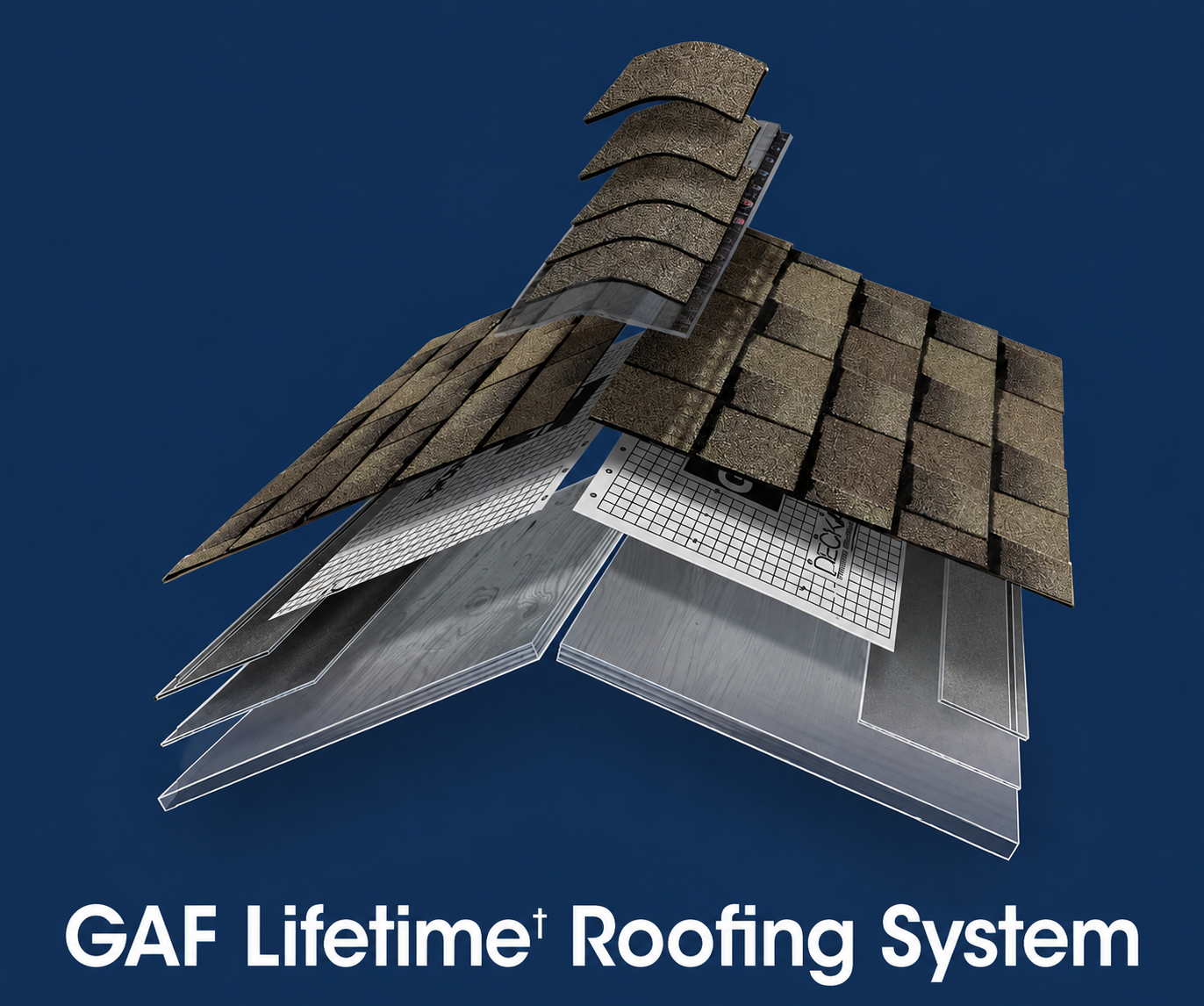
Good closeout documentation gives a future homeowner, contractor, or manufacturer a clearer record of exactly what was installed and what coverage was purchased.
PROJECT CLOSEOUT | WARRANTY HANDOFF
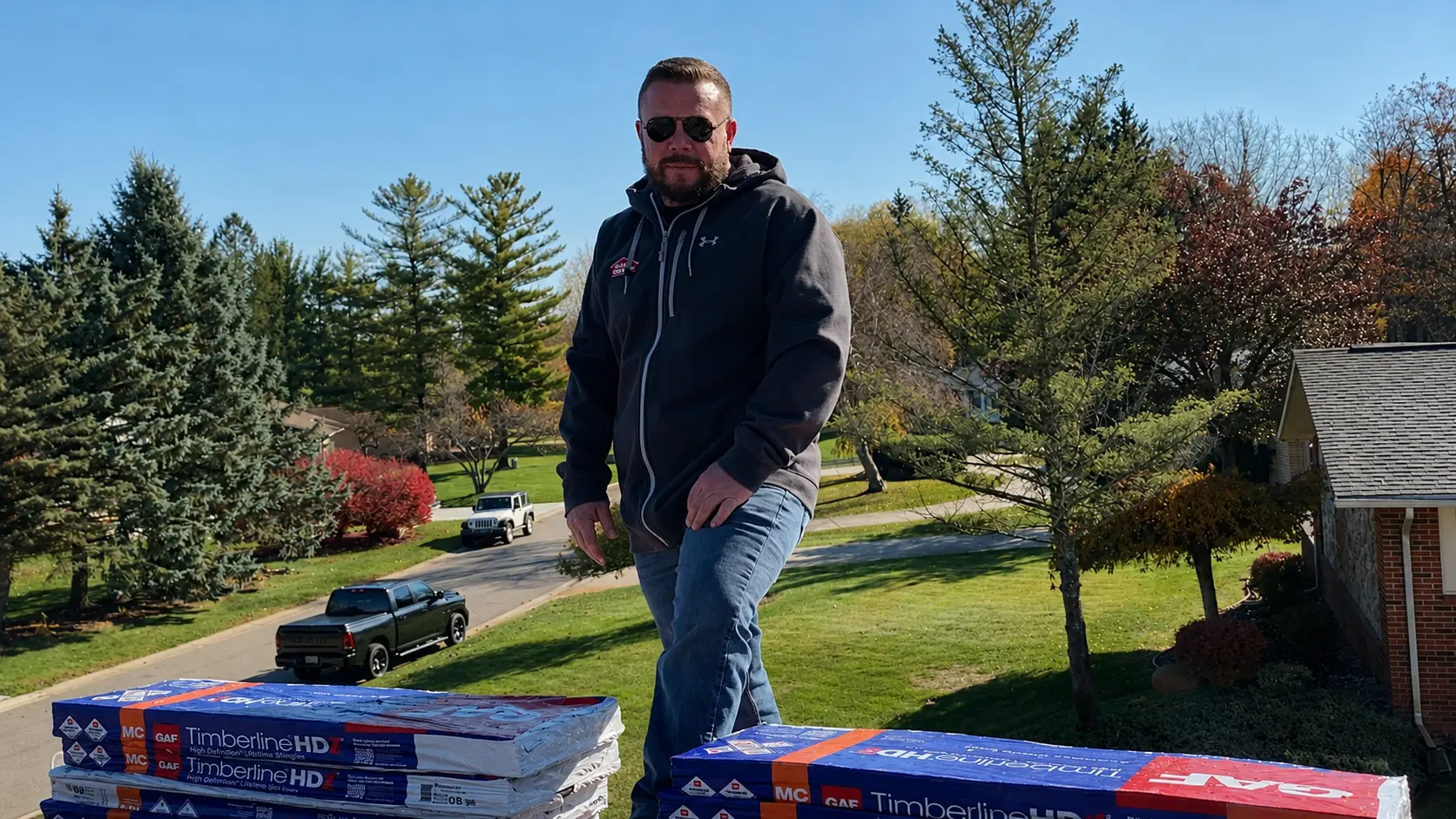
At closeout, the homeowner should know which warranties apply, who completed any required registration, where the certificates are stored, how future service is requested, and what maintenance or notification requirements could affect coverage.
Keep the signed scope, final invoice, product information, installation date, contractor workmanship warranty, manufacturer warranty certificate, registration confirmation, and project photos together with the home's permanent records.
If an enhanced warranty requires registration, verify that registration was completed and keep the issued certificate rather than assuming it happened automatically.
The warranty should not live only in the salesperson's memory.
Keep the final warranty documents with the home's permanent records so future owners, contractors, and manufacturers can verify what was installed and what coverage was purchased.
ROOFING WARRANTY QUESTIONS
The useful questions are about who backs the coverage, what must be registered, what records prove it, and what survives if the original contractor is no longer available.
No. Manufacturer warranties generally address qualifying product defects under written terms. Contractor workmanship warranties address installation work. Some enhanced manufacturer programs can add qualifying workmanship or misapplication coverage, but the actual warranty controls.
A contractor-only workmanship promise may become difficult to use if the company closes. Separate manufacturer coverage may remain under its written terms, and qualifying enhanced manufacturer-backed workmanship coverage may provide a separate remedy if properly registered.
Ask who is responsible for registration, when you should receive the certificate or confirmation, and what to do if it does not arrive. For qualifying GAF enhanced warranties, the certified contractor handles registration and GAF advises homeowners to contact them if the warranty and registration are not received within the stated post-installation period.
Sometimes, but transferability, deadlines, notices, fees, and eligible owners vary by warranty. Do not assume coverage automatically follows the property. Check the specific warranty terms and complete any required transfer process.
Warranty questions are easiest to answer before installation, while the homeowner can still compare coverage and documentation requirements.
COMPARE MORE THAN THE NUMBER OF YEARS
Before signing, compare the actual roofing system, the contractor's written workmanship responsibility, the manufacturer coverage, any enhanced warranty eligibility, registration requirements, and the company's ability to answer a service call years from now.
A warranty should reduce uncertainty after the roof is installed. If the coverage is still difficult to explain before the project begins, keep asking questions.
The goal is not the biggest warranty number. It is a roofing system, contractor, and coverage structure the homeowner can still make sense of years later.
THE ARMOR STANDARD
Facts first. Recommendations second. Decisions last.