
AFTER YOU SIGN | MISSISSIPPI GULF COAST
What Should Happen After You Sign a Roofing Contract?
Signing the agreement should not be the moment communication slows down. A well-managed roof replacement has a clear plan for preparation, installation, hidden conditions, cleanup, inspections, warranty registration, and closeout, and you should know who to call at every step.
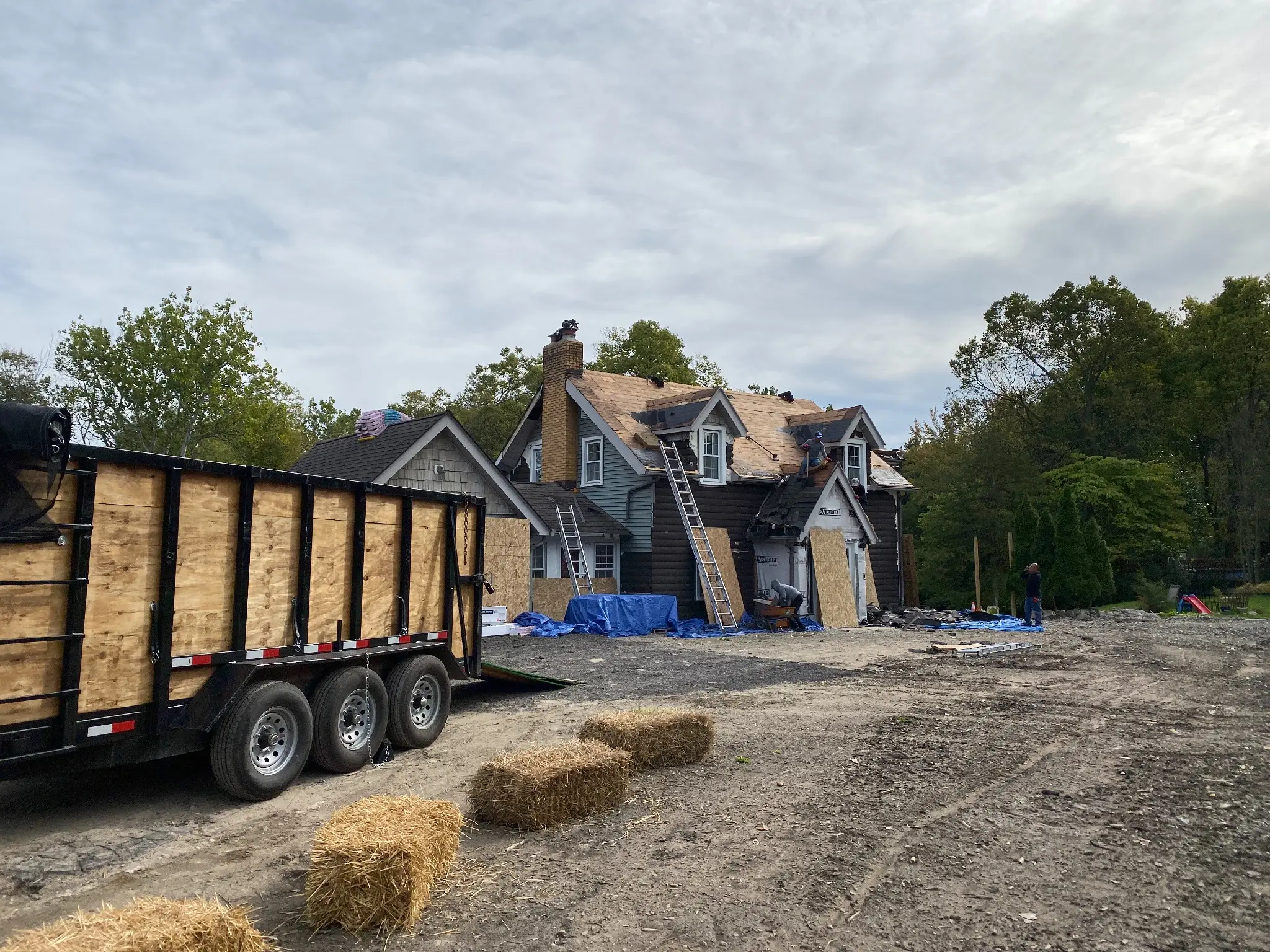
A Good Roofing Experience Should Feel Organized.
THE DIRECT ANSWER
After You Sign, You Should Know What Happens Next, Who to Call, and What Done Looks Like.
Before work starts, the contractor should confirm the scope, materials and color, the scheduling window, your contact person, permit responsibilities, and how your property will be protected. You should not have to chase basic information about your own project.
During and after installation, the written scope is still the reference point. Hidden conditions should be documented and explained, added work should be agreed to before it proceeds, and the project should close with an inspection, cleanup, records, and warranty registration where it applies.
THE PROJECT PRINCIPLE
The Last Shingle Installed Should Not Be the Last Time You Hear From Your Contractor.
A professional contractor manages the whole project, not just installation day. That includes preparation, communication about weather and schedule changes, documentation of anything found under the old roof, cleanup, inspections, warranty paperwork, and follow-up after completion.
If the process only feels organized until the contract is signed, it was a sales process, not a project process.
THREE STAGES OF A WELL-RUN PROJECT
Before the Job, During Installation, and Before the Crew Leaves.
Each stage should have clear expectations you can check against the written agreement.
01
Before the Job
Confirm the plan before materials arrive
Confirm the scope, shingle line and color, accessories, delivery date, start window, and your point of contact. Ask how landscaping, driveways, pools, and attic contents will be protected, who pulls the permit when one is required, and how weather delays will be communicated.
How to Compare Roof Replacement Proposals →02
During Installation
Match the written scope and document changes
The crew should install what the agreement describes. If damaged decking or other hidden conditions are found after tear-off, you should receive photos, an explanation, and pricing under the terms of your contract, and agree to added work before it proceeds whenever conditions allow.
What to Verify Before Giving a Roofer a Deposit →03
Before the Crew Leaves
Inspect, clean up, and explain what is next
The roof should be inspected, debris removed, and a magnetic sweep completed for nails and metal. Remaining questions should be answered, and you should know when final inspections, final payment, warranty registration, and closeout documents will happen.
Will the Roofer Be Around for the Warranty? →WARNING SIGNS AFTER SIGNING
A Signed Contract Should Not Turn Into Silence, Surprise Charges, or a Missing Crew.
Be cautious when the start date keeps moving without explanation, nobody can tell you who is running the job, extra charges appear without photos or a written change order, or a different company than the one on your contract takes responsibility for the work.
Delays happen in roofing, especially with Gulf Coast weather. What matters is whether the contractor tells you before you have to ask, explains the reason, and keeps the scope, schedule, and payments tied to the written agreement.
ASK AFTER SIGNING
Who is my contact, and when will I hear from you next?
You should have a name and a number for the person responsible for your project, and a clear idea of when you will hear about delivery, the start date, weather changes, and inspections.
If the answer is vague after you sign, it rarely gets clearer once the crew arrives.
FOUR COMMON SITUATIONS AFTER SIGNING
How Changes Are Handled Tells You the Most.
Most projects go to plan. The ones that do not show you how a contractor really operates.
Damaged Decking Is Found After Tear-Off
This is common on older roofs and cannot always be seen during the inspection. Expect photos, an explanation, and pricing under the unit price or allowance in your contract before the added work is completed, whenever conditions allow.
Weather Moves the Schedule
Rain and wind delay roofing work, and a contractor should not tear off more roof than can be safely dried in. What you should expect is advance notice, a clear reason, and a revised start or completion window.
You Want to Change Something Mid-Project
Changing a color, adding gutters, or upgrading ventilation after signing should go through a written change order showing the work and the price before it is done. Verbal changes are how billing disputes start.
Someone Other Than the Salesperson Runs the Job
Many contractors use dedicated installation crews, and that can be normal. The company on your contract is still responsible for the work, the workmanship warranty, and closeout. Ask who supervises the job and who you call with a problem.
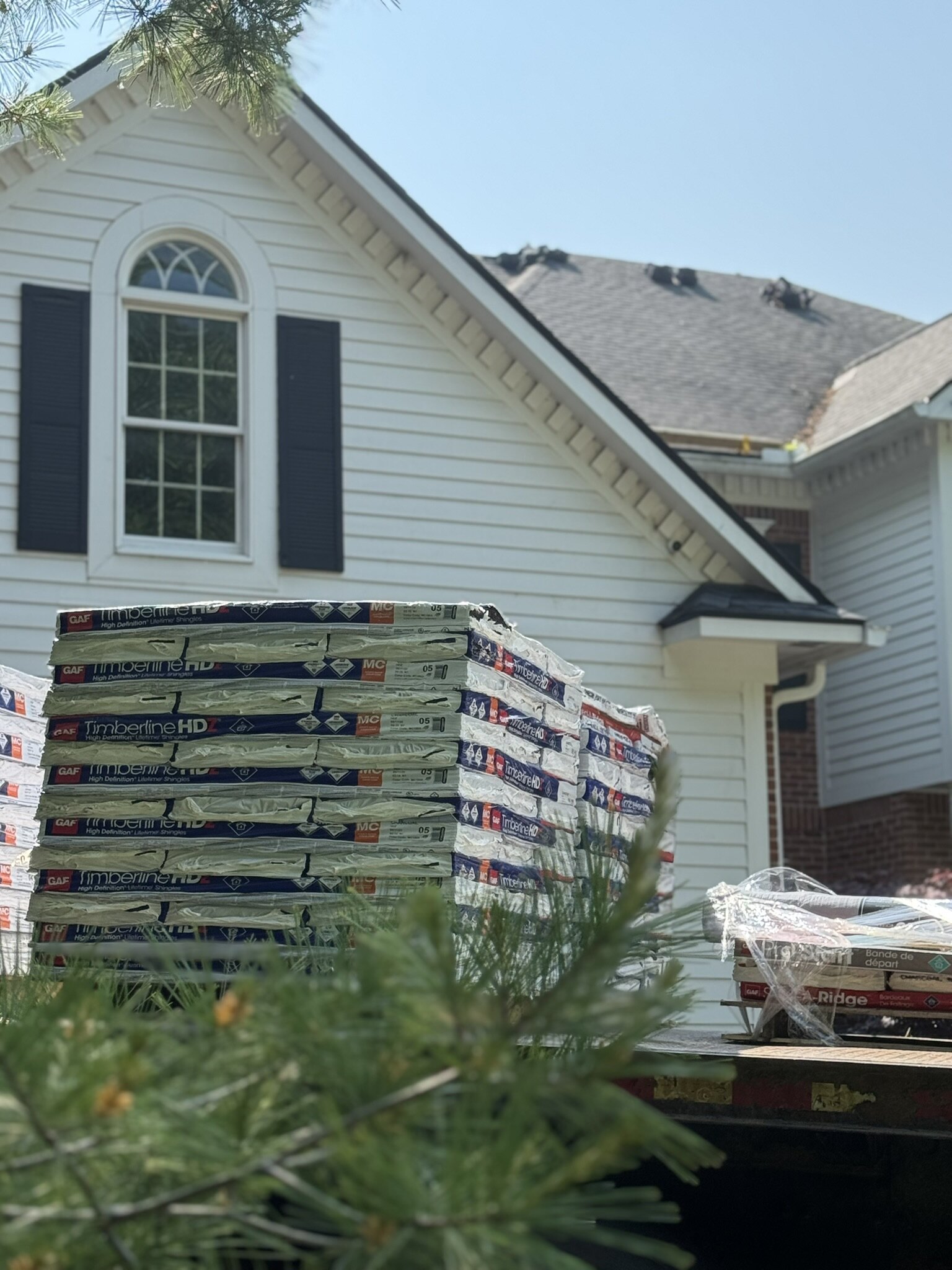

Photos of conditions found during the work should be part of your project record, not something you have to request.
Changes are not the problem. Undocumented changes, unexplained delays, and surprise charges are.
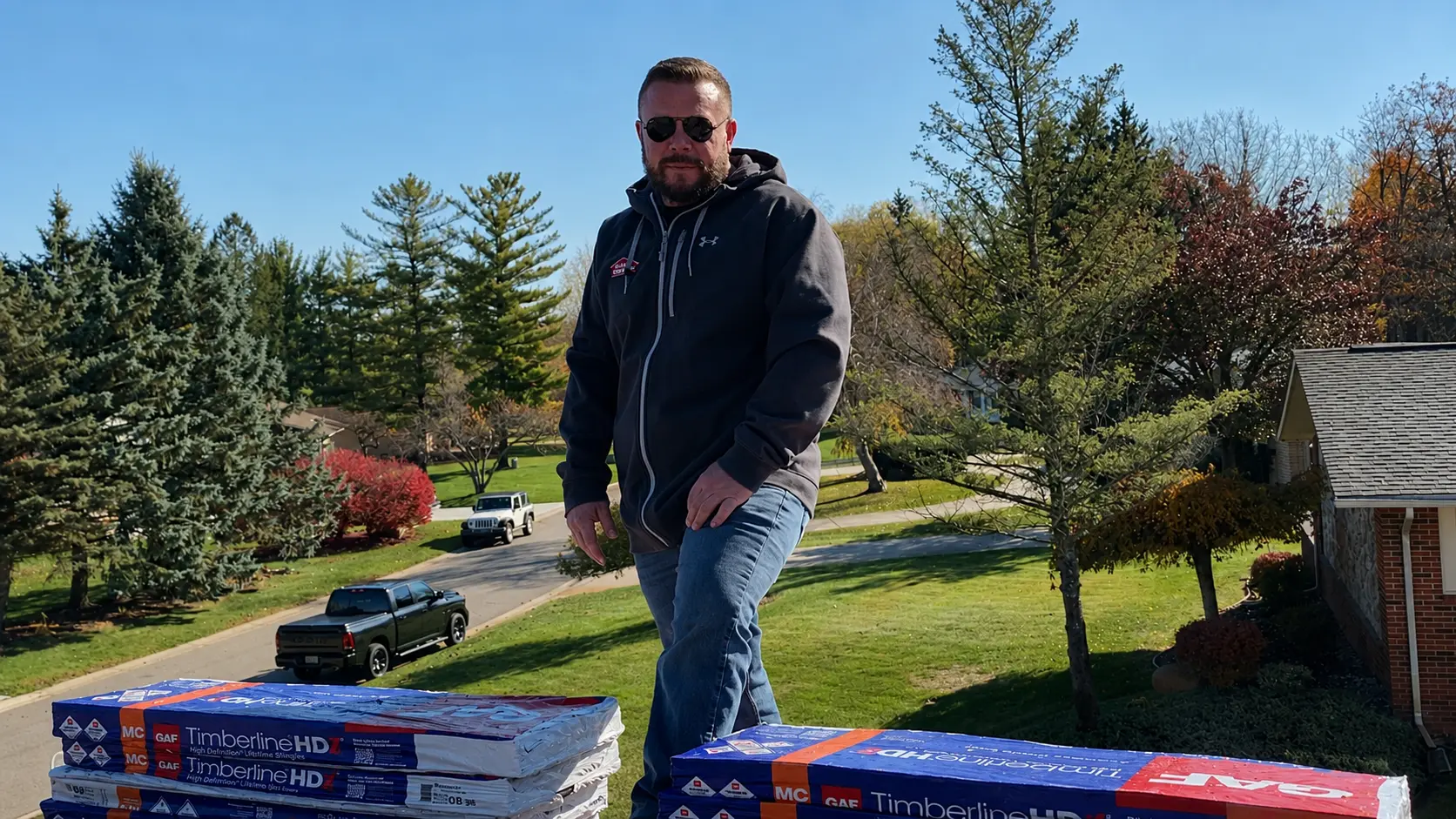
THE ARMOR STANDARD
Clear Expectations Before, During, and After the Work.
Armor's standard is that you know what happens next at every stage of the project. We confirm the plan before the job, document and explain anything that changes during installation, and close out with an inspection, cleanup, records, and warranty registration where it applies.
The last shingle installed should not be the last time you hear from us.
If something changes, you hear it from us first, with the reason, the photos, and the price before the project moves forward whenever the situation allows.
Start With an Inspection and a Clear Roofing Scope →AFTER-SIGNING QUESTIONS
What Should a Homeowner Expect Once the Contract Is Signed?
Every project is different, but these are the questions homeowners ask most once the agreement is in place.
How Long Will My Roof Replacement Take?
Installation time depends on the roof's size, complexity, and what is found during tear-off. The start date depends on scheduling, material delivery, permits, and weather. Ask for both the expected installation time and the start window, and how changes to either will be communicated.
What Happens If Damaged Decking Is Found?
Expect photos, an explanation, and written pricing for the added work under the terms of your contract. The agreement should already say how hidden conditions are handled, often with a unit price per sheet of decking or a defined allowance.
Do I Need to Be Home During Installation?
Usually not, but the contractor should be able to reach you quickly if a decision is needed. Move vehicles, secure pets, and take fragile items off walls and shelves, since vibration from roofing work can travel through the house.
When Is the Final Payment Due?
That should be defined in your written agreement before work begins. You should be able to review the completed work, any signed change orders, and the final invoice before paying the remaining balance.
If the next step is not clear after you sign, ask. A good contractor expects the question.
KNOW WHAT GOOD LOOKS LIKE
A Good Roofing Decision Should Still Make Sense After the Crew Leaves.
Before you sign, ask the contractor to walk you through what happens after the agreement: preparation, installation, hidden conditions, cleanup, inspections, final payment, and warranty registration.
If they cannot explain the process before you sign, do not expect it to appear afterward.
ARMOR ROOFING GULF COAST
Clear expectations. Documented work.
Facts first. Recommendations second. Decisions last.