
CONTRACTOR DUE DILIGENCE | MISSISSIPPI GULF COAST
A roofing deposit is not automatically a red flag. The important question is what you have verified before money changes hands. Confirm the company, written scope, payment terms, project process, and who remains accountable if the schedule or scope changes.
THE DIRECT ANSWER
A deposit should be tied to a written agreement that identifies the contractor, describes the roofing scope, explains payment terms, and makes the next step clear. Ask whether the deposit reserves scheduling, authorizes material ordering, begins permitting or production planning, or serves another defined purpose.
Do not rely on a verbal promise that everything will be worked out later. If a contractor cannot clearly explain the company name receiving the payment, what the contract includes, when additional money is due, and how changes are approved, slow the process down before paying.
THE PAYMENT PRINCIPLE
A professional contractor should expect a homeowner to understand the agreement before signing or paying. Questions about scope, timing, payment milestones, cancellation terms, material selections, permits, warranties, and change orders are normal parts of a serious construction decision.
The goal is not zero risk. The goal is to know what you agreed to before the money leaves your hands.
THREE THINGS TO VERIFY BEFORE THE DEPOSIT
The deposit decision is easier when the important facts are already documented.
01
Know the legal business receiving the money
Confirm the contractor's business name, Mississippi licensing when required, contact information, insurance documentation, and the name that appears on the contract and payment record. The company on the paperwork should match the company you believe you hired.
How to Choose a Roofing Contractor →02
Understand the roof before comparing the number
The agreement should explain what is being removed and installed, materials and roofing-system components, flashing and ventilation responsibilities, cleanup, permits when applicable, warranties, exclusions, allowances, and how concealed conditions or additional work will be handled.
How to Compare Roof Replacement Proposals →03
Know what each payment milestone means
Ask the deposit amount, what it authorizes, whether and when it is refundable, what triggers additional payments, when final payment becomes due, how approved change orders are billed, and what documentation you receive for every payment.
Will the Roofer Be Around for the Warranty? →RED FLAGS AROUND PAYMENT
Be cautious when a contractor wants money immediately but the scope is still unclear, the legal business cannot be verified, payment terms are missing, or the agreement contains blanks that are supposed to be filled in later. A legitimate project can survive the homeowner reading the contract.
Federal consumer guidance warns against paying the full project amount up front and identifies pressure for immediate decisions, cash-only demands, and other high-pressure payment tactics as warning signs. Payment should be traceable and tied to a written agreement.
ASK BEFORE PAYING
The contractor should be able to explain whether the deposit reserves production capacity, authorizes materials, begins administrative work, or serves another defined purpose under the agreement.
If the answer is vague before payment, do not assume it will become clearer afterward.
FOUR COMMON DEPOSIT SCENARIOS
The context around the payment often tells you more than the percentage by itself.
The company is verified, the scope is detailed, payment milestones are written, the deposit has a defined purpose, and the homeowner receives a signed copy and receipt. A deposit in this context can be a normal part of entering a construction agreement.
A legitimate promotion can have an expiration date, but pressure designed to prevent verification is different. If the contractor resists reasonable questions about licensing, insurance, scope, payment terms, or the agreement because the homeowner must act immediately, slow down.
That deserves additional scrutiny. FTC consumer guidance specifically advises homeowners not to pay the full amount for a home-improvement project up front. Understand why money is due, what work or materials it corresponds to, and what protection remains if the job is delayed or never starts.
Storm demand can make schedules move quickly, but emergency conditions do not eliminate due diligence. Verify the contractor, read the agreement, understand the payment, and separate legitimate emergency mitigation from a rushed commitment to a full replacement.
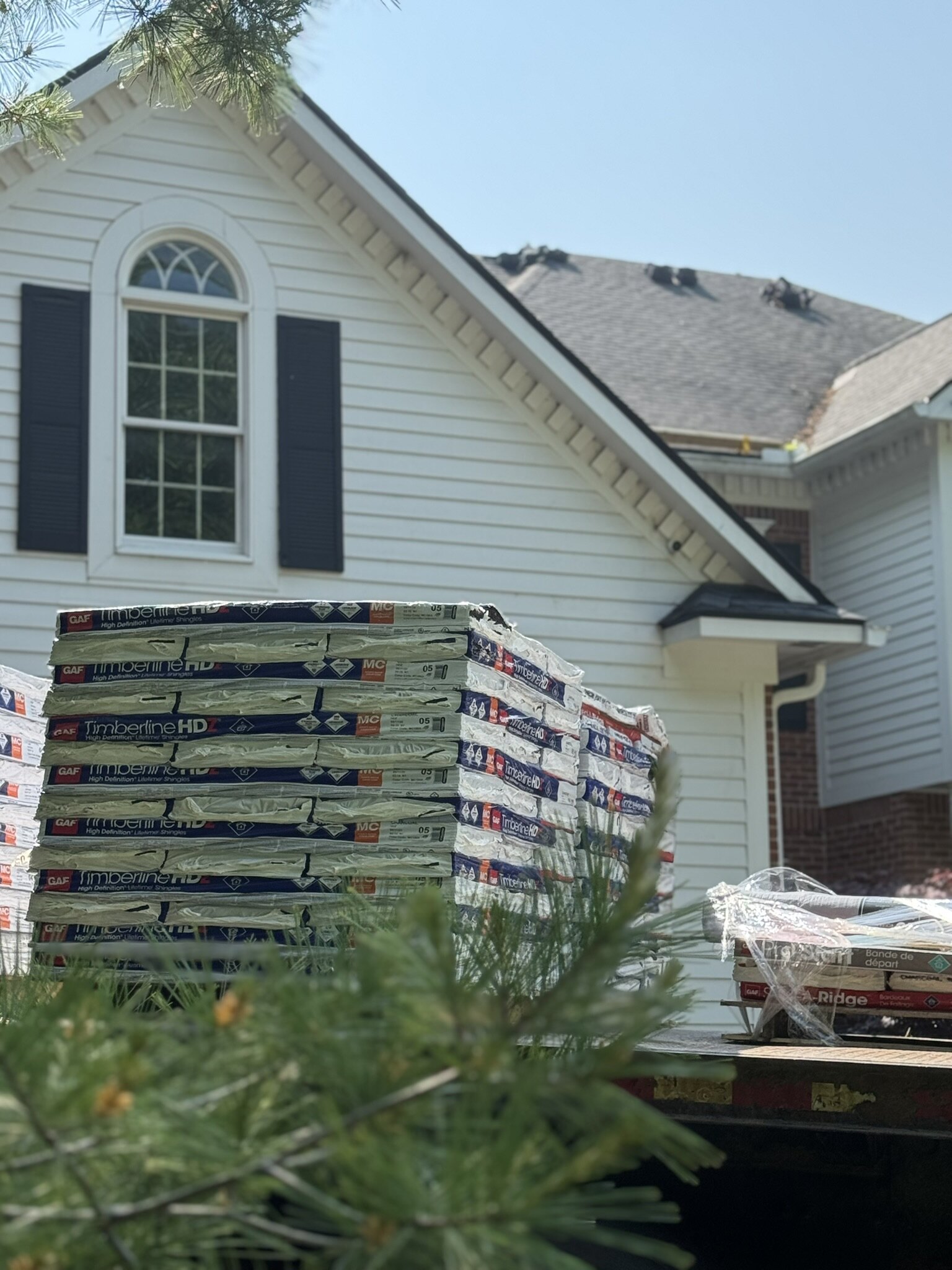

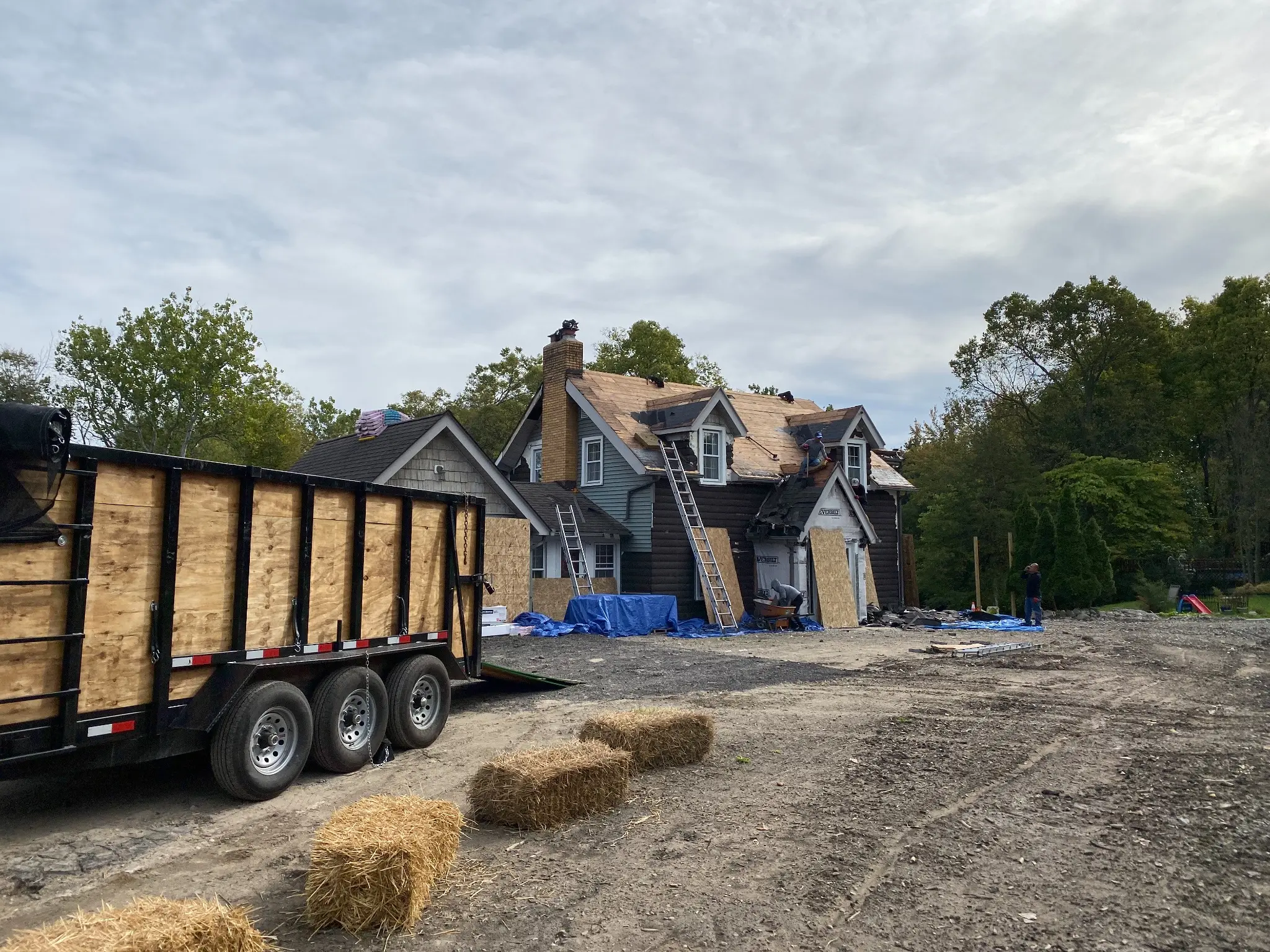
The roofing scope should be concrete enough that the homeowner can understand what the deposit is actually securing.

THE ARMOR STANDARD
Armor's standard is that payment expectations belong in the agreement, legitimate changes belong in documented change orders, and the homeowner should understand why the amount due changed before being asked to pay it. Hidden conditions can change a roofing project. They should not create surprise billing without explanation.
Price integrity means the money follows the scope.
If the scope changes, document the reason, the work, and the price before the project moves forward whenever the situation allows.
ROOFING DEPOSIT QUESTIONS
Deposit practices vary by contractor and project. The homeowner's job is to understand the agreement, verify the company, and know exactly what the payment means.
Yes, deposits can be a normal part of a roofing contract. The important questions are who is receiving the money, what the written agreement says, what the deposit authorizes, what the remaining payment milestones are, and what happens if the project changes or does not proceed.
There is no single percentage that proves a deposit is reasonable or unreasonable for every roofing project. Evaluate the amount together with the contract, project size, materials, payment schedule, contractor verification, and applicable law. Be especially cautious about full payment before the work is completed.
A traceable payment method and written receipt create a clearer record of who was paid, when, and how much. FTC consumer guidance specifically warns homeowners about contractors who demand cash or wire transfers as part of high-pressure home-repair scams.
That depends on the contract, how and where the sale occurred, work or materials already authorized, and applicable law. The FTC Cooling-Off Rule gives consumers three business days to cancel certain sales made at home or temporary locations, but it has exceptions and does not cover every transaction. Read the agreement and the applicable rule rather than assuming a universal cancellation right.
UNDERSTAND THE PROJECT BEFORE YOU FUND IT
Before paying a deposit, make sure the inspection, roofing scope, contractor verification, payment plan, and next steps are clear enough that you can explain the agreement back to yourself.
If you still have unanswered questions, resolve them while your money is still in your account.
ARMOR ROOFING GULF COAST
Facts first. Recommendations second. Decisions last.