
STORM RESTORATION GUIDE | ROOFING SUPPLEMENTS
A roofing supplement is documentation asking an insurance carrier to consider legitimate work or cost required by the roofing project but missing from the original claim estimate. It should be driven by the actual job, not by a desire to make the claim larger.
WHY SUPPLEMENTS EXIST
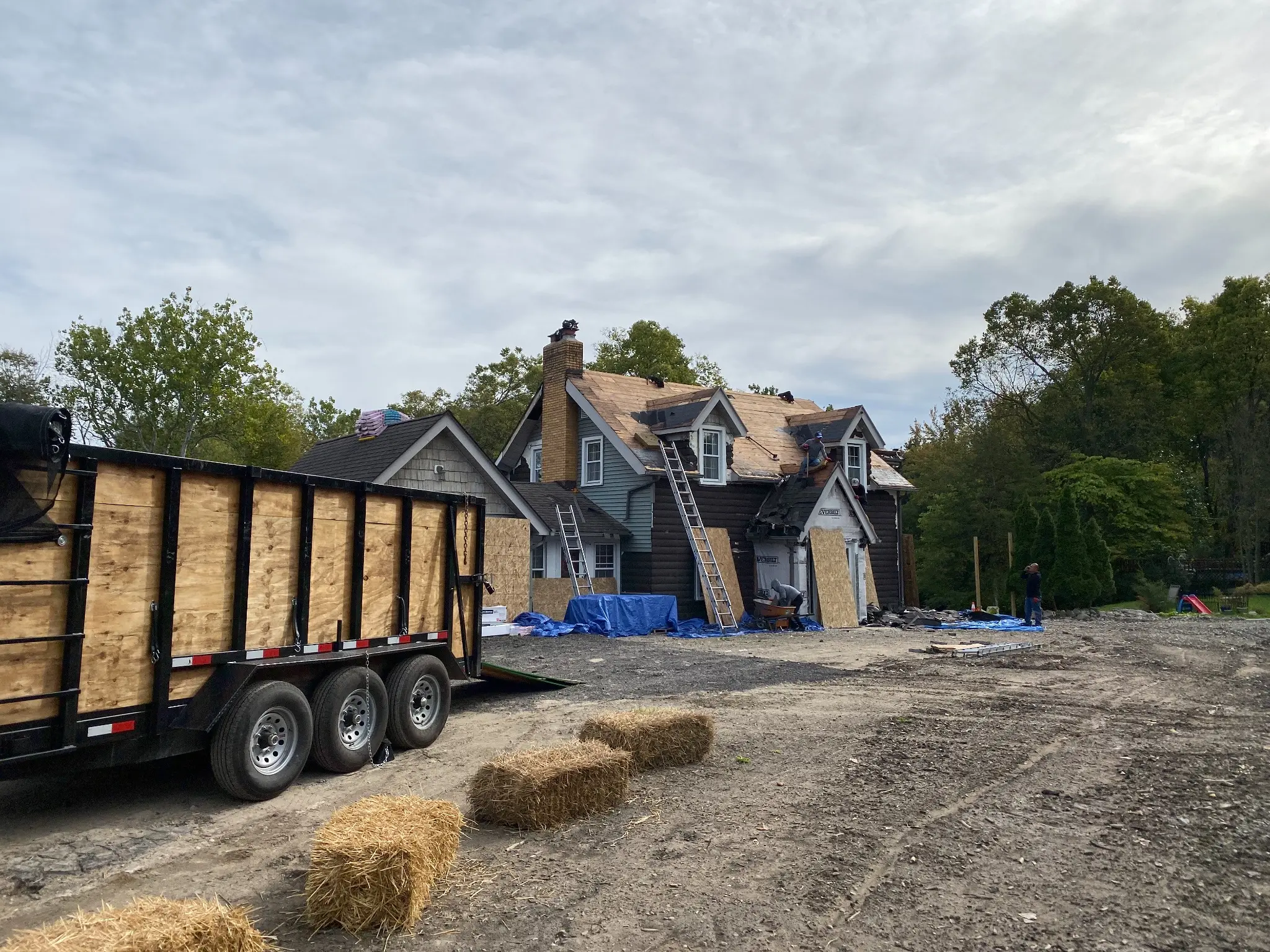
An initial estimate may be written before tear-off, before full material identification, or before every site condition is known. Measurements, quantities, code-related details, labor requirements, or concealed conditions may become clearer later.
When legitimate work is missing, the contractor can document the issue and submit supporting information for the carrier's consideration. The carrier still decides whether that item is covered and payable.
THE SIMPLE RULE
A legitimate supplement should connect a missing line item or cost to something real: measurements, photos, the roofing system, an actual site condition, a code or permit requirement, manufacturer instructions, material availability, or work that was actually incurred.
If the project does not require it, it should not be added just because an insurance claim exists.
WHEN A SUPPLEMENT CAN BE LEGITIMATE
Not every supplement comes from the same kind of issue. The important question is whether the added item can be tied to actual work the project requires.
01
The original estimate did not include enough of something
Field measurements may show different roof quantities, flashing lengths, ridge, starter, waste, steep areas, access requirements, or other work that was understated or omitted.
Roofer or Insurance First? →02
The work requires something the estimate did not address
Code-related requirements, permits, manufacturer instructions, flashing details, ventilation corrections, or required roofing-system components may create legitimate scope that was not included initially.
Who Determines Insurance Coverage? →03
The project revealed something that could not be confirmed earlier
Additional roof layers, deteriorated decking, concealed flashing, unusual substrate conditions, or other findings may become visible only after tear-off or closer inspection.
Shingle Matching & Repairability →WHAT A SUPPLEMENT IS NOT
The existence of insurance does not make every possible roofing line item legitimate. A supplement should not be a wish list, a sales tactic, or a way to manufacture scope that the project does not require.
It is simply a way to document a real difference between the original estimate and the work the contractor believes is necessary or actually incurred.
THE ARMOR RULE
If Armor supplements a roofing scope, the item should connect to the roof, the property, the materials, a documented requirement, or a cost that the project actually created.
The goal is an accurate project, not the largest possible claim.
COMMON ROOFING EXAMPLES
These are examples of conditions that can create legitimate additional work or documentation. Whether an insurer pays for any particular item still depends on the carrier's coverage decision.
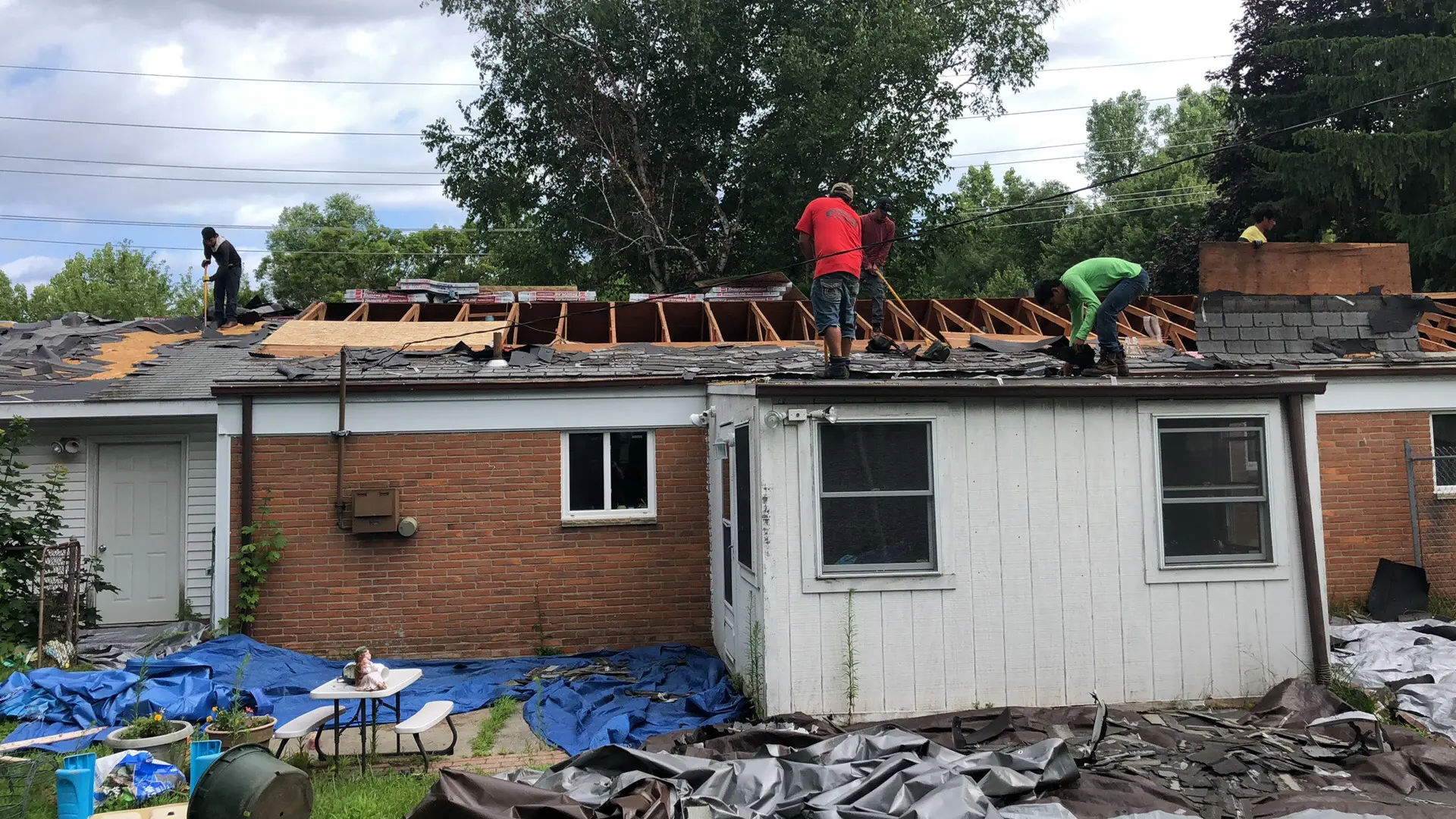
A second layer may not be visible from the original estimate or measurement report. Discovering it at tear-off changes labor, disposal, and sometimes the installation process.
Decking conditions often cannot be confirmed until the old roofing is removed. Replacement sheathing should be measured, photographed, and documented when it is actually required.
Wall flashing, chimney details, pipe boots, intake or exhaust ventilation, edge metal, and other components can require work that was not fully represented in a surface-level estimate.
Permit fees, unusual access, disposal requirements, lift needs, or other project-specific logistics may create real costs that should be documented rather than assumed.
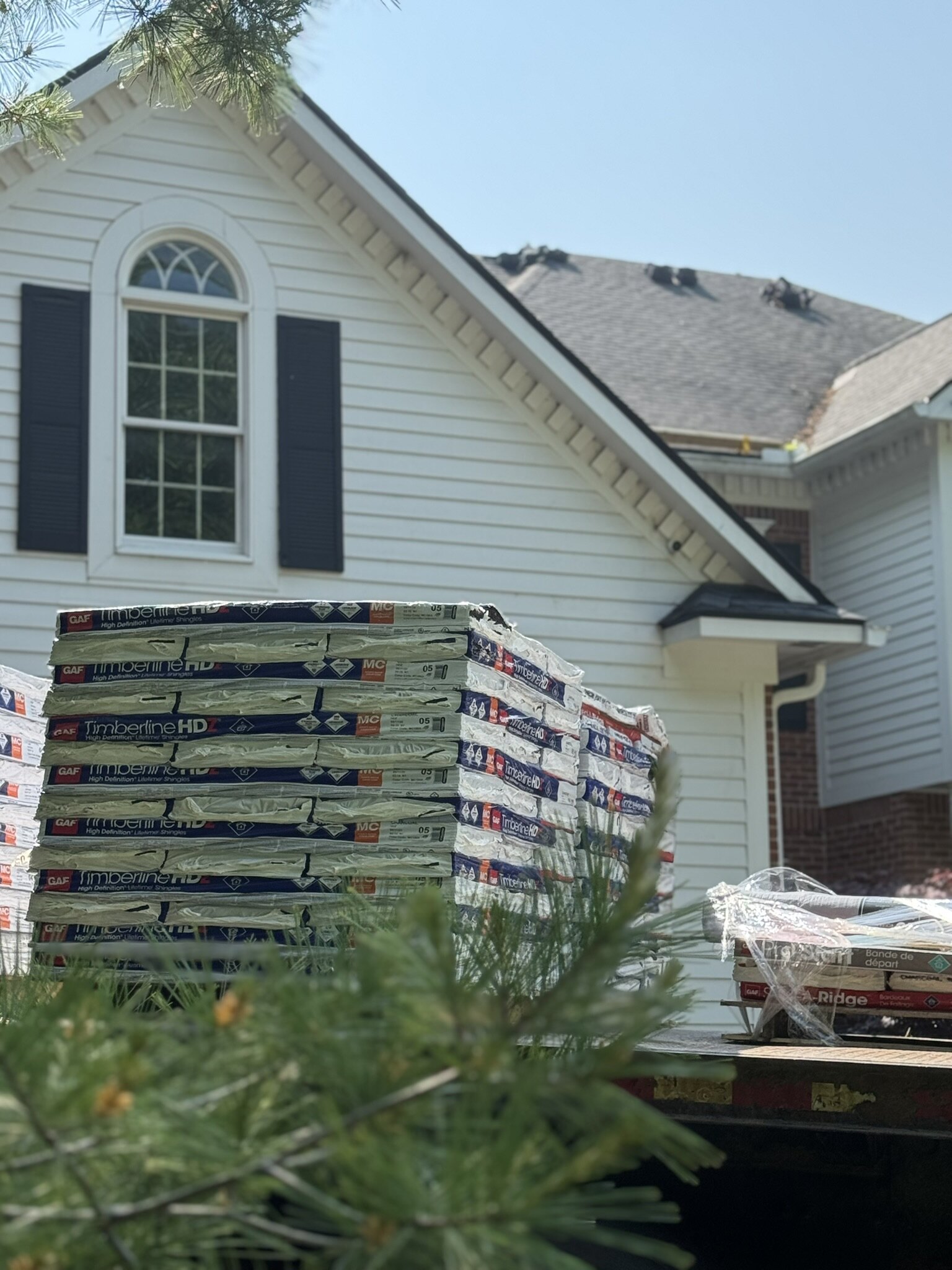
The roof may show the damage. The attic can help explain the path water took and whether the roof deck or ventilation system has additional concerns.
TIMING MATTERS
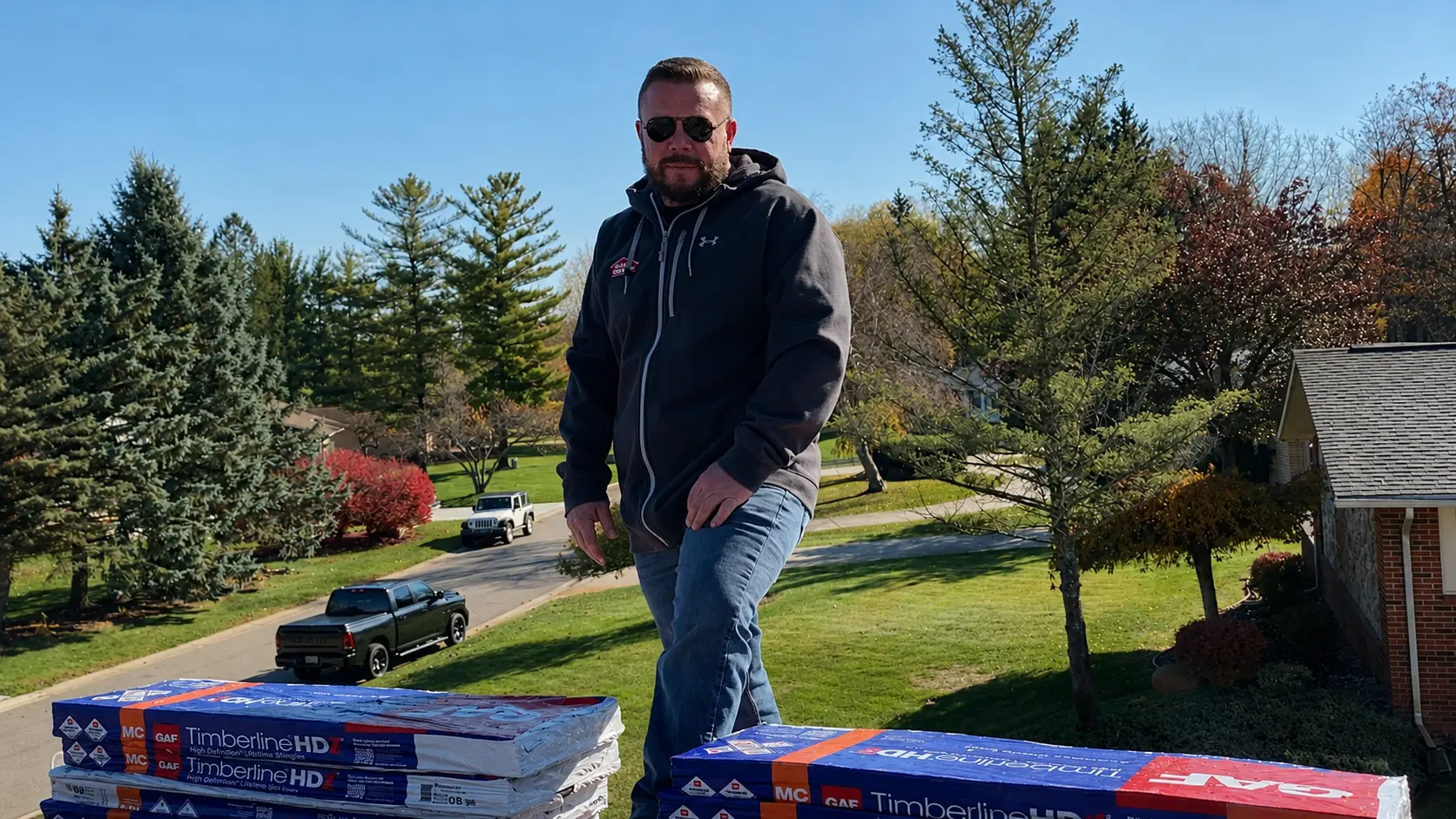
Some supplement items can be identified before work begins. Others appear during tear-off. The best practice is to document the condition as soon as it is safely visible, before it disappears under new work.
Photograph it. Measure it. Explain it. Then proceed.
That creates a cleaner record for the homeowner, the contractor, and the carrier and reduces arguments about what was actually present.
ROOFING SUPPLEMENT QUESTIONS
A supplement can be a normal part of restoration work, but it should be understandable. These are the questions that keep the process grounded in the actual project.
No. The contractor can submit documentation supporting the added scope, but the insurance carrier decides whether it agrees the item is covered and payable.
Sometimes the project price changes because the scope changed. Other times the contractor's original proposal already included work the carrier estimate omitted. The documents should make that distinction clear.
Yes. Tear-off can expose additional layers, damaged decking, concealed flashing, or other conditions that could not be verified earlier. Those findings should be documented promptly.
The contractor can provide additional factual support for the construction position, but the carrier controls its coverage decision. The homeowner can then address that decision directly with the carrier or another appropriately licensed professional.
A CLEAN SUPPLEMENT PACKAGE
The carrier may still disagree, but a well-organized supplement makes the contractor's construction position easy to follow.
01
Identify the exact item
State the line item, quantity, area, or work that the contractor believes is absent or understated in the original estimate.
02
Connect it to the project
Explain the site condition, material issue, code or permit requirement, manufacturer instruction, or construction reason that creates the need.
03
Support the condition
Use photos, measurements, reports, product information, code references, invoices, or other evidence appropriate to the item.
04
Make the amount understandable
Show the unit cost, labor, change order, invoice, or other pricing basis so the requested amount connects to the actual work.
WHAT HOMEOWNERS SAY ABOUT ARMOR
Armor Roofing Gulf Coast is new to Mississippi, but the standards behind the company are not. Until local Gulf Coast reviews begin coming in, selected feedback from Armor's Michigan operation shows the kind of communication, inspection, problem-solving, and workmanship the company is built around.
LEAH | ARMOR ROOFING CUSTOMER | MICHIGAN
“He was quick, honest, and very thorough. He took his time to explain our options. I felt comfortable knowing I would receive high quality work, and that's exactly what Paul and his team at Armor Roofing delivered.”
“I would recommend Paul to any of my friends and family.”
AFTER THE STORM
When legitimate work is missing, document the condition, explain the construction reason, and show the quantity or cost clearly.
The carrier decides coverage. The contractor should make the roofing scope easy to understand.
ARMOR ROOFING GULF COAST
Armor Roofing Gulf Coast provides inspection-first storm restoration and construction-scope documentation across the Mississippi Gulf Coast.