
STORM DAMAGE GUIDE | MISSISSIPPI GULF COAST
If the home is safe and dry, a roof inspection can help establish what actually happened before a claim decision drives the process. If water is actively entering the home or conditions are unsafe, emergency protection comes first.
THE FIRST DECISION
A storm does not automatically mean a roof has covered damage, and a claim does not automatically mean the roof should be replaced. The useful first question is whether the roof has legitimate storm-related damage and whether that damage can be repaired correctly.
A contractor can document roof conditions and construction scope. The insurance carrier interprets the policy and determines coverage. Keeping those roles separate helps the homeowner make a better decision.
FACTS BEFORE PAPERWORK
Photos, measurements, cause of damage, material condition, repairability, flashing, penetrations, decking, attic evidence, and emergency conditions all help establish what the roof actually needs.
Document the roof first. Then decide whether an insurance claim belongs in the conversation.
WHAT TO ESTABLISH FIRST
A useful inspection separates urgent protection needs from the evidence needed to understand cause, damage, and repairability.
01
Is the home safe and dry?
Active leaks, exposed decking, fallen trees, electrical hazards, or unstable roof areas may require immediate temporary protection before a normal inspection process can continue.
Who Determines Insurance Coverage? →02
What actually happened?
Wind, impact, displaced materials, damaged flashing, water paths, and attic evidence can help distinguish storm-related conditions from age, installation issues, or pre-existing deterioration.
What Is a Roofing Supplement? →03
Can the roof be restored correctly?
Damage extent, material availability, surrounding roof condition, flashing, decking, and code-related requirements can determine whether a localized repair is reasonable or a larger scope is needed.
Shingle Matching & Repairability →STORM RESTORATION
If inspection findings support storm-related damage and the homeowner believes a covered loss may have occurred, the homeowner can decide whether to notify the carrier and begin the claim process.
The contractor does not decide whether a loss is covered. The contractor's job is to document the physical roof conditions and explain the construction scope needed to repair or replace the roof correctly.
THE PRACTICAL RULE
Homeowners should not feel pressured to file a claim simply because a storm passed through the area. First establish whether the roof has legitimate damage and whether that damage creates a real construction need.
If the roof does not need storm restoration, the right answer may be to do nothing.
FOUR COMMON SCENARIOS
The right next step is different when the home is actively leaking, when damage is visible but contained, or when the storm passed without obvious evidence.
Protect the home first. Temporary dry-in, tree removal, or other emergency work may need to happen before a complete inspection or claim discussion.
Document the condition before temporary repairs disturb the evidence. Then determine whether the damaged area can be repaired correctly or whether the surrounding system changes the scope.
Ground-level appearance does not always tell the whole story. If the property was exposed to severe weather, a professional inspection can determine whether there is meaningful damage or simply nothing to pursue.
Storm damage can exist alongside age, wear, prior repairs, or installation issues. A useful inspection separates those conditions instead of attributing every defect to the most recent weather event.
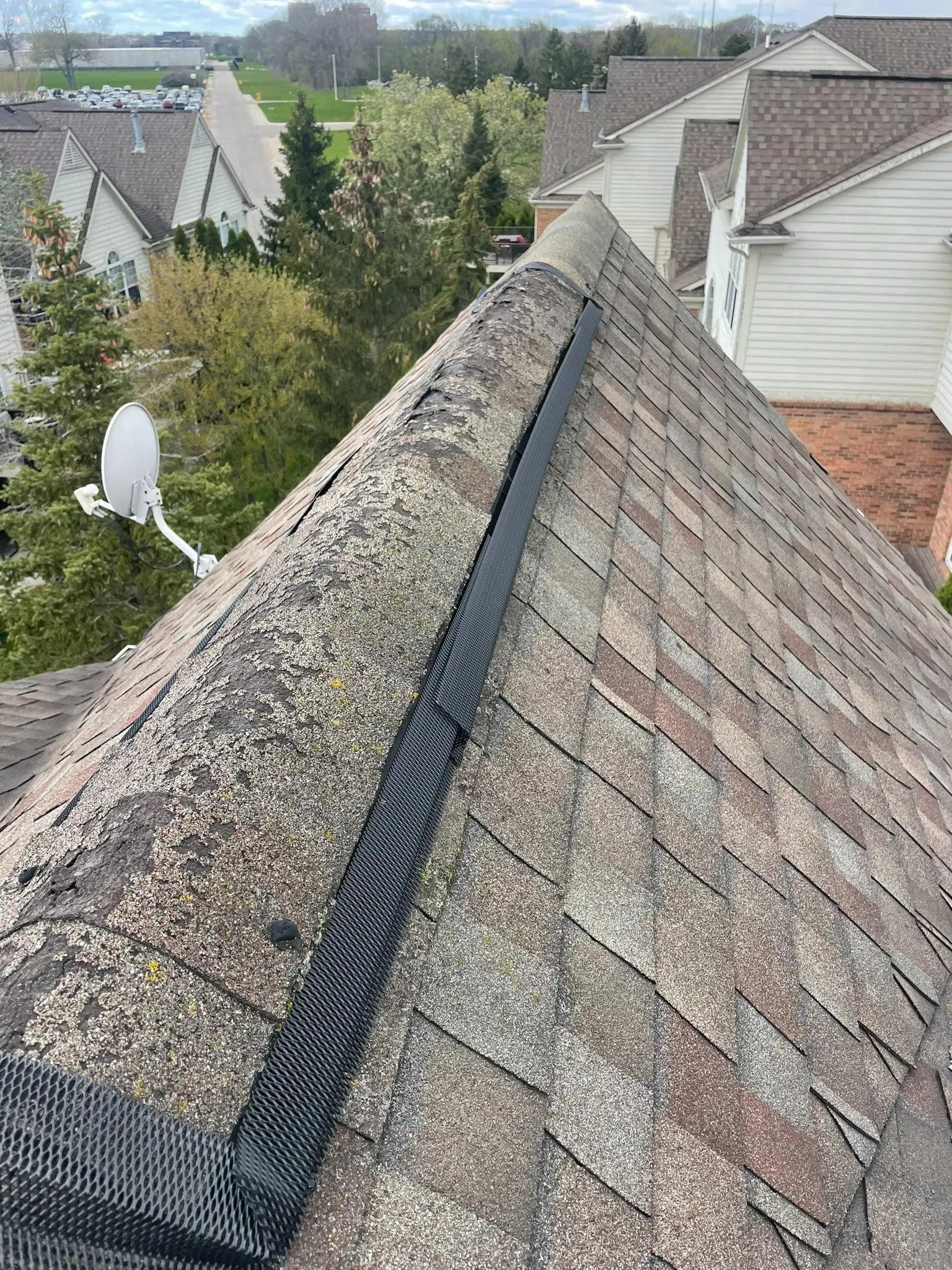
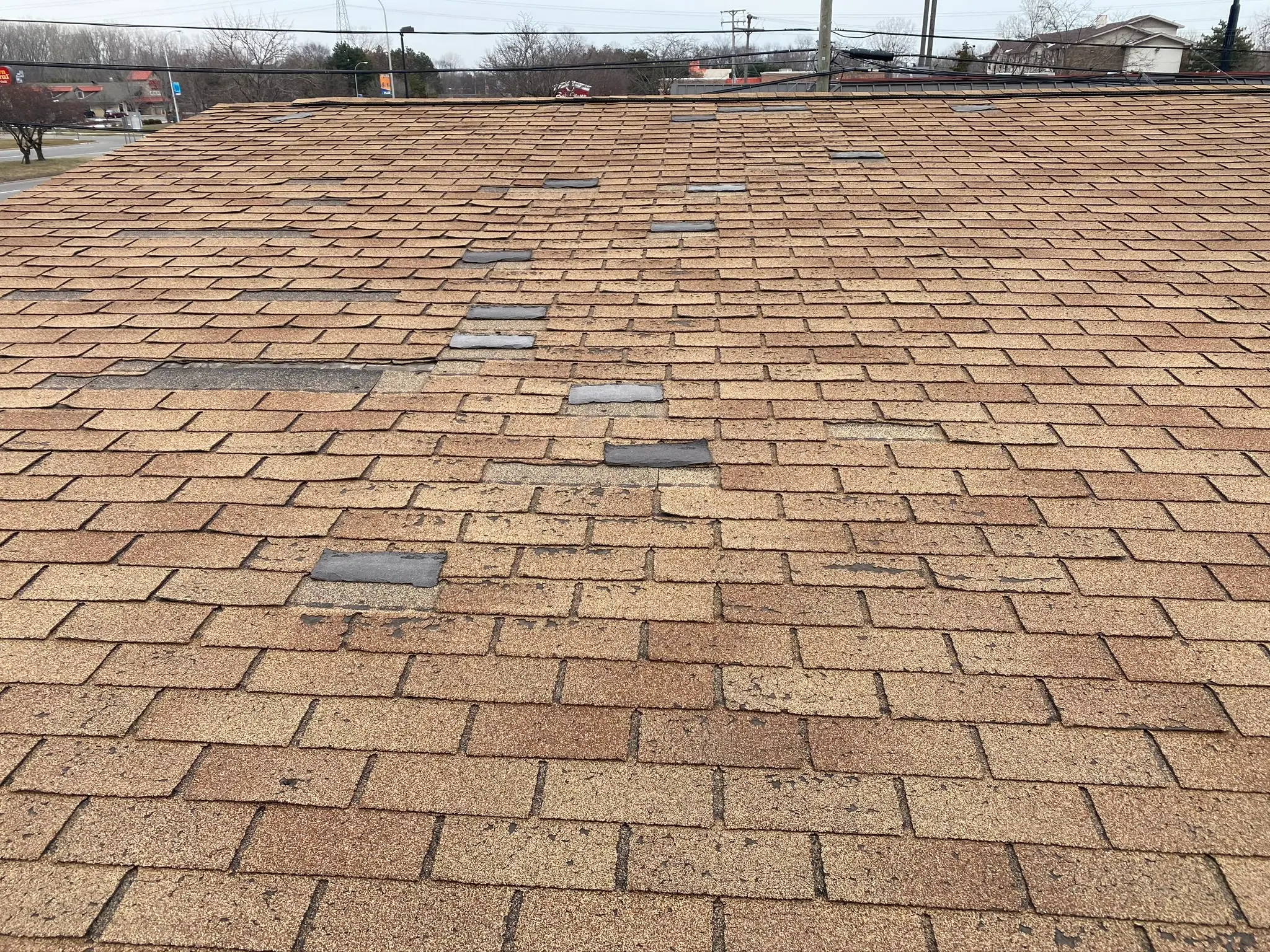
The roof may show the damage. The attic can help explain the path water took and whether the roof deck or ventilation system has additional concerns.
THE ARMOR INSPECTION
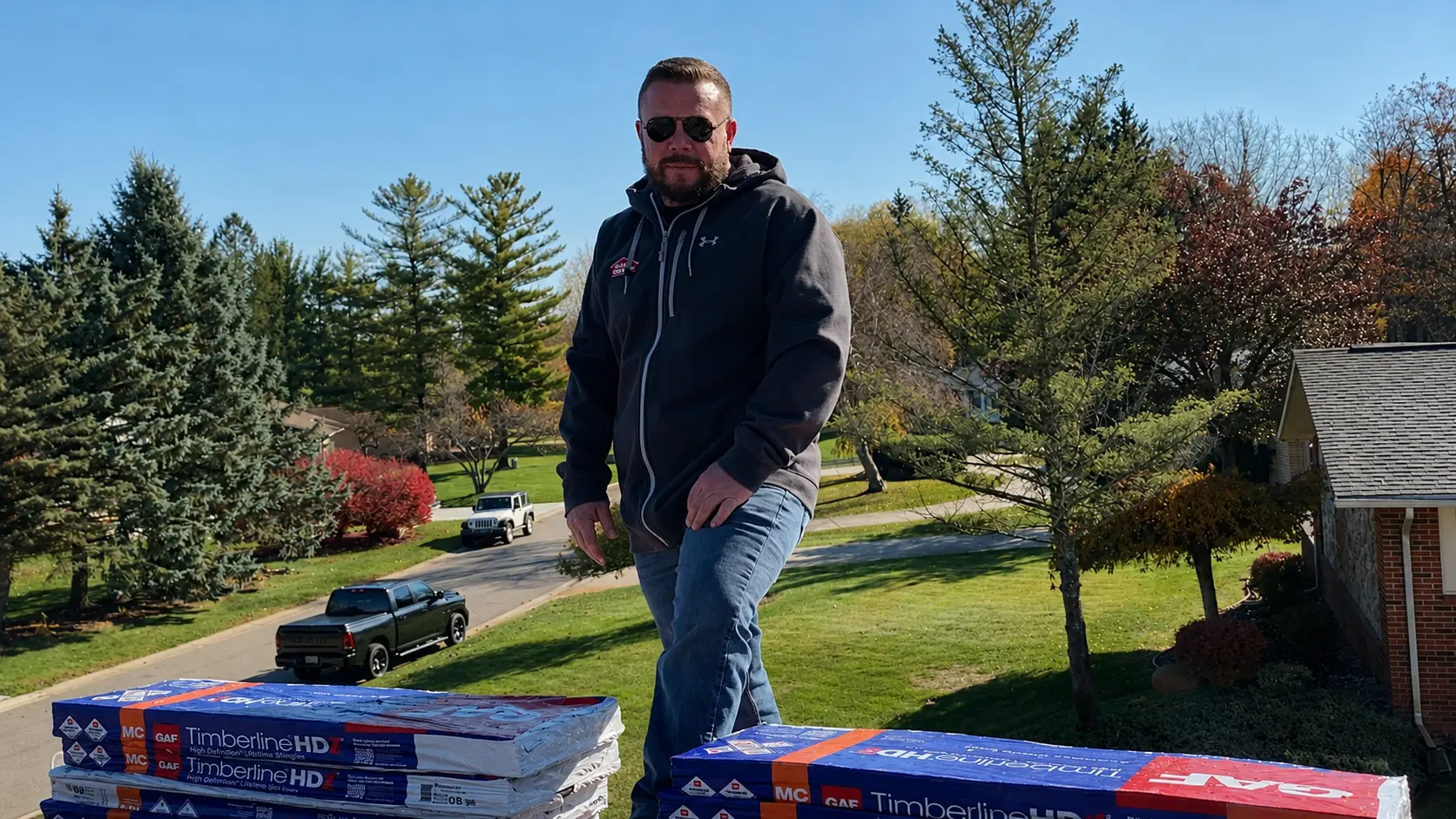
The question is simple: What does this house actually need? We start with the homeowner's concerns, evaluate the roofing system, and inspect the attic whenever it is safely accessible.
The roof speaks. The attic tells the truth.
A stain may show moisture. The attic may explain why. Premature roof aging may look like a shingle problem until ventilation or trapped moisture tells a different story.
STORM RESTORATION QUESTIONS
Insurance and roofing overlap during storm restoration, but they are not the same job. These are the questions homeowners should understand before treating an adjuster's scope as a construction plan.
If the home is safe and dry, starting with a roof inspection can help you understand whether there is legitimate storm damage before deciding how to proceed. Emergency leaks or unsafe conditions should be addressed immediately.
No. The insurance carrier interprets the policy and determines coverage. Armor documents the roofing conditions and the construction scope required to repair or replace the roof correctly.
A supplement is documentation requesting consideration of legitimate work or costs that are necessary for the roofing scope but were not included in the original estimate. Armor only supports items the project actually requires.
Material availability and repairability can change the appropriate roofing scope. Armor documents the actual material, availability information when it can be verified, and whether a localized repair can restore the roof correctly.
AFTER THE STORM
If the home is safe and dry, start by understanding the roof. A professional inspection can document what happened, whether the damage is repairable, and whether an insurance claim is even the next logical step.
Emergency leaks, exposed decking, active water entry, or unsafe conditions should be stabilized immediately. Documentation can follow once the property is protected.
ARMOR ROOFING GULF COAST
Serving homeowners across the Mississippi Gulf Coast with inspection-first storm restoration and clear roofing-system recommendations.