
STORM RESTORATION GUIDE | INSURANCE COVERAGE
The insurance carrier interprets the policy and decides what it believes is covered. A roofing contractor has a different job: document the roof's condition, explain repairability, and define the construction scope required to restore the roofing system correctly.

THE ROLE OF EACH PARTY
Coverage depends on the policy, the claimed cause of loss, the carrier's investigation, applicable limits and deductibles, and the carrier's interpretation of what the contract covers. Those are insurance decisions.
Armor does not promise coverage or tell a homeowner what an insurer must pay. We document what is physically present at the home and what the roofing system requires from a construction standpoint.
KEEP THE ROLES CLEAR
An insurance estimate may be part of the claim file, but the roof still has to be evaluated as a construction system. Measurements, decking, flashing, ventilation, material availability, code requirements, and actual site conditions can all affect the work.
Coverage can limit payment. It does not change what the roof physically requires.
THREE DIFFERENT QUESTIONS
Confusion starts when roof condition, insurance coverage, and construction scope are treated as if they are the same decision. They are not.
01
What physically happened to the roof?
A roof inspection documents wind, impact, missing or lifted materials, water entry, flashing and penetration issues, existing wear, and other facts that help explain the roof's current condition.
What Should I Do First After a Storm? →02
What does the carrier determine is covered?
The insurance carrier applies the policy to the claim and decides its position on coverage, deductible, depreciation, limits, exclusions, and what it will include in the claim estimate.
What Is a Roofing Supplement? →03
What work is required to restore the roof correctly?
The contractor evaluates the actual project: tear-off, repairability, decking, flashing, ventilation, material compatibility, code-related details, accessories, labor, and the work required to produce a functioning roofing system.
Shingle Matching & Repairability →THE CONTRACTOR'S ROLE
A contractor can explain the roof, prepare an estimate, identify legitimate construction requirements, provide photos and measurements, and answer technical questions about the proposed work.
What a contractor should not do is guarantee that a loss will be covered, promise a settlement amount, or reshape the roofing recommendation around what the carrier happened to include in its first estimate.
THE ARMOR APPROACH
If a necessary construction item is missing from an insurance estimate, Armor can document why the project requires it. That can include measurements, photos, material information, code-related details, manufacturer requirements, or repairability information.
The goal is not to argue every line item. The goal is to make the roofing scope accurate, understandable, and defensible.
COMMON SCOPE DIFFERENCES
A legitimate difference in scope should trace back to the roof, the property, the materials, or the requirements of the work. It should not exist simply because someone wants a larger claim.
Roof area, waste, ridge, starter, flashing lengths, steep charges, access, and other quantities can differ when field measurements or detailed reports refine an earlier estimate.
Discontinued shingles, incompatible materials, unavailable products, or damage patterns can change whether a localized repair is practical and what materials the project actually requires.
Required underlayment, fastening, flashing, ventilation, edge details, permits, or installation instructions can create legitimate work that is not obvious from a simple roof-surface inspection.
Deck deterioration, multiple roof layers, concealed flashing conditions, or other items may not be known until tear-off or closer inspection exposes them.
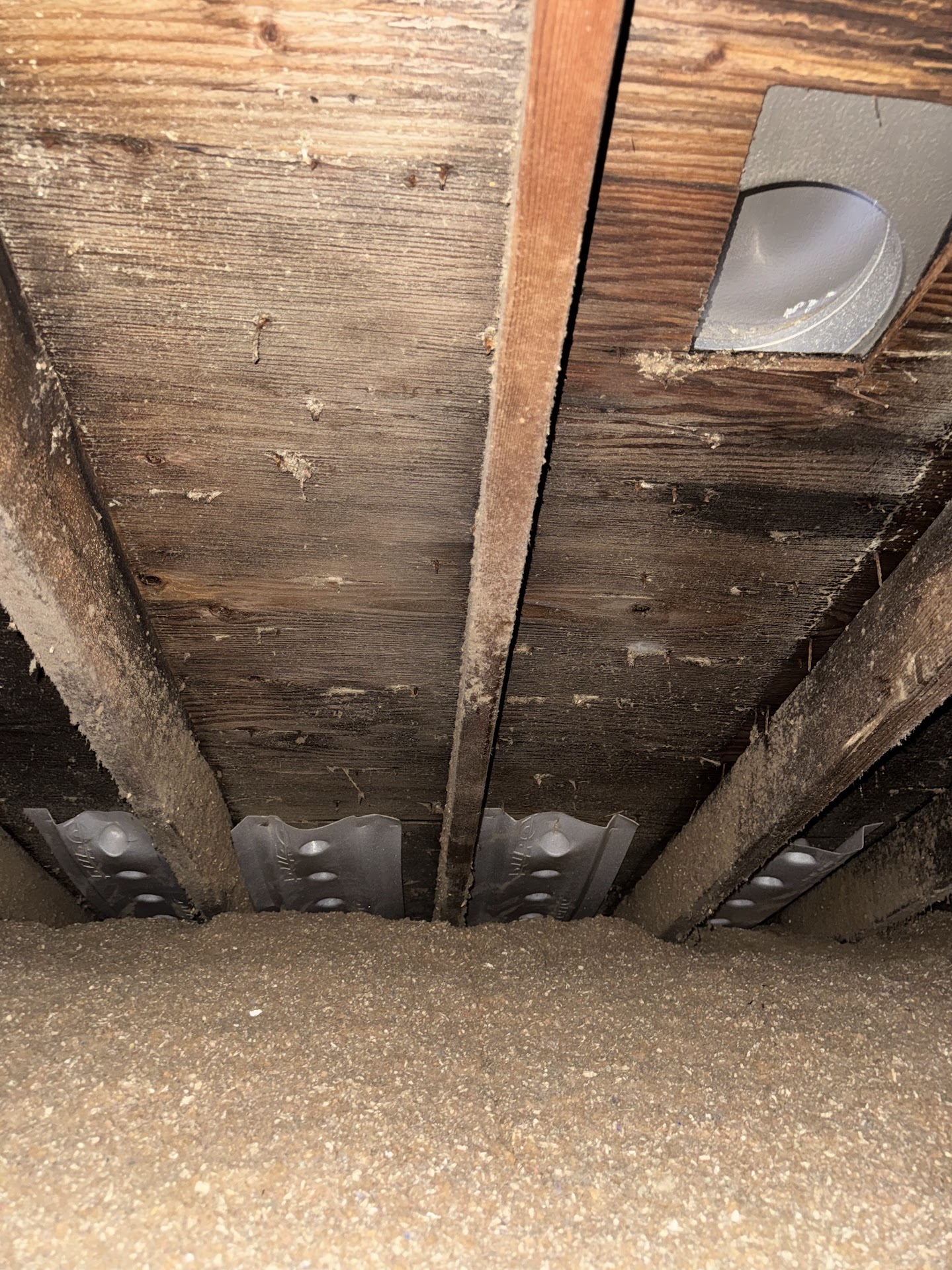
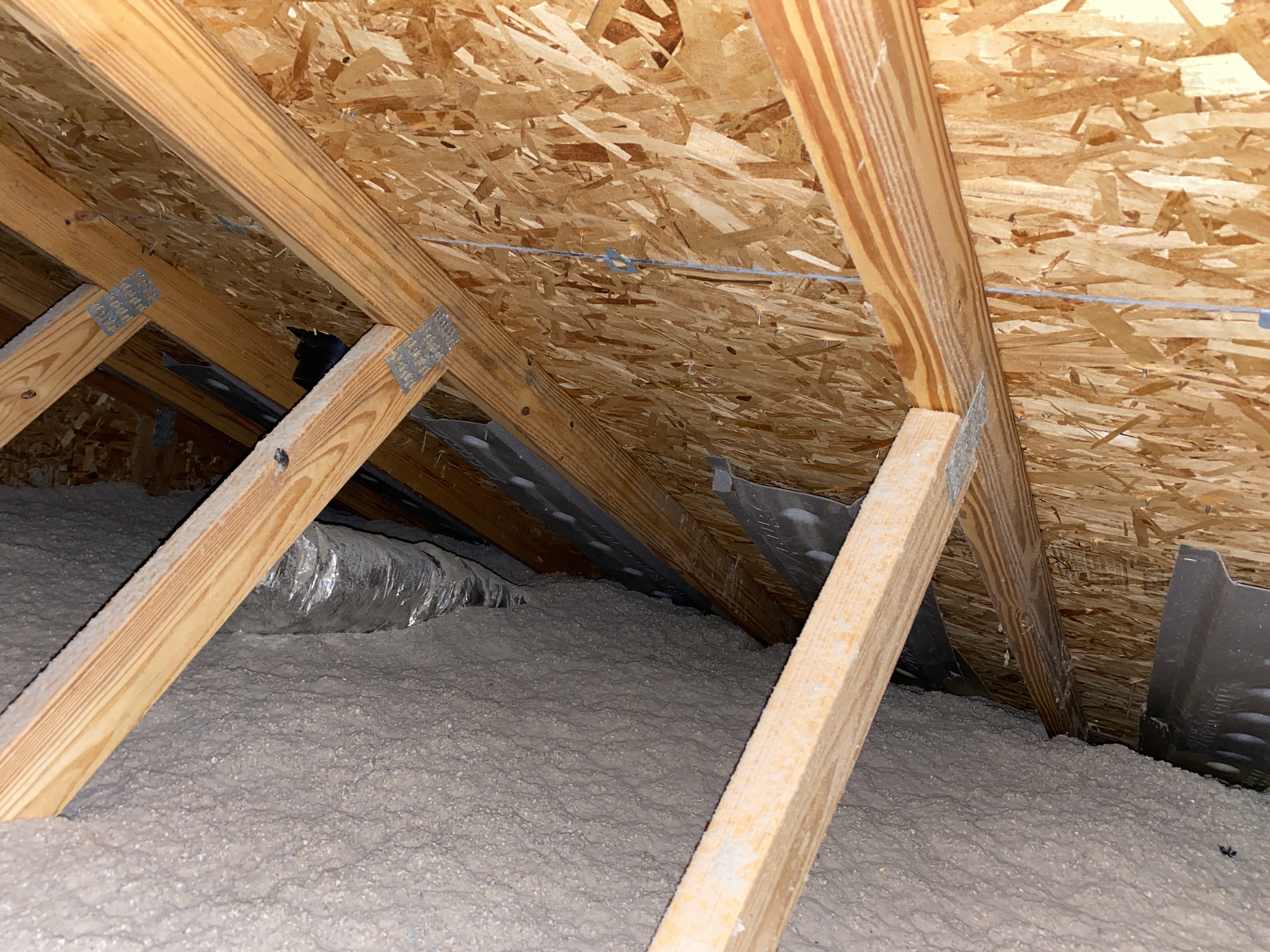
The roof may show the damage. The attic can help explain the path water took and whether the roof deck or ventilation system has additional concerns.
GOOD CLAIM DOCUMENTATION
A contractor's documentation should make the construction issue easier to understand: what was observed, where it was observed, what material is involved, whether the area is repairable, and what work is required.
Facts first. Scope second. Coverage belongs to the carrier.
That separation protects the homeowner from exaggerated promises and keeps the roofing conversation centered on the actual condition of the home.
COMMON INSURANCE-SCOPE QUESTIONS
The cleaner the separation between insurance coverage and construction scope, the easier it is to understand what each document and each party is actually responsible for.
No. The carrier interprets the policy and makes the coverage decision. A contractor can document damage, explain repairability, and define the construction work the roof requires.
Not necessarily. The documents serve different purposes. Legitimate differences should be traceable to quantities, materials, repairability, code-related requirements, site conditions, or the actual scope of work.
The contractor can document the missing construction item and why it is required. That documentation may be submitted for the carrier's consideration as a supplement.
The contractor can continue to support the construction position with factual documentation. The carrier still controls its coverage position, and the homeowner can discuss that decision directly with the carrier or another appropriately licensed professional.
BUILD A CLEAN PROJECT FILE
A clean file makes it much easier to understand what changed, what was approved, what the contractor documented, and what remains unresolved.
01
Document the starting condition
Keep roof photos, attic photos, inspection notes, measurements, material identification, and any emergency-service documentation together.
02
Track the insurance position
Save each estimate revision, coverage letter, payment explanation, depreciation information, and written communication from the carrier.
03
Track the construction position
Keep the roofing proposal, measurements, change orders, supplement documentation, code or manufacturer references, and material-availability records.
04
Document what was actually incurred
Final invoices, receipts, permit records, completion photos, warranty documents, and proof of payment can matter when recoverable depreciation or cost-incurred items are involved.
WHAT HOMEOWNERS SAY ABOUT ARMOR
Armor Roofing Gulf Coast is new to Mississippi, but the standards behind the company are not. Until local Gulf Coast reviews begin coming in, selected feedback from Armor's Michigan operation shows the kind of communication, inspection, problem-solving, and workmanship the company is built around.
LEAH | ARMOR ROOFING CUSTOMER | MICHIGAN
“He was quick, honest, and very thorough. He took his time to explain our options. I felt comfortable knowing I would receive high quality work, and that's exactly what Paul and his team at Armor Roofing delivered.”
“I would recommend Paul to any of my friends and family.”
AFTER THE STORM
The carrier determines its coverage position. The contractor determines the construction scope it believes is required to restore the roof correctly.
When those documents differ, the answer is better documentation, not bigger promises.
ARMOR ROOFING GULF COAST
Armor Roofing Gulf Coast provides inspection-first storm restoration and construction-scope documentation across the Mississippi Gulf Coast.