
SHINGLE MATCHING, AVAILABILITY & REPAIRABILITY | STORM RESTORATION
A damaged shingle does not automatically mean the roof must be replaced. But a localized repair only works when compatible material can actually be identified, sourced in enough quantity, and installed without creating a new roofing problem.
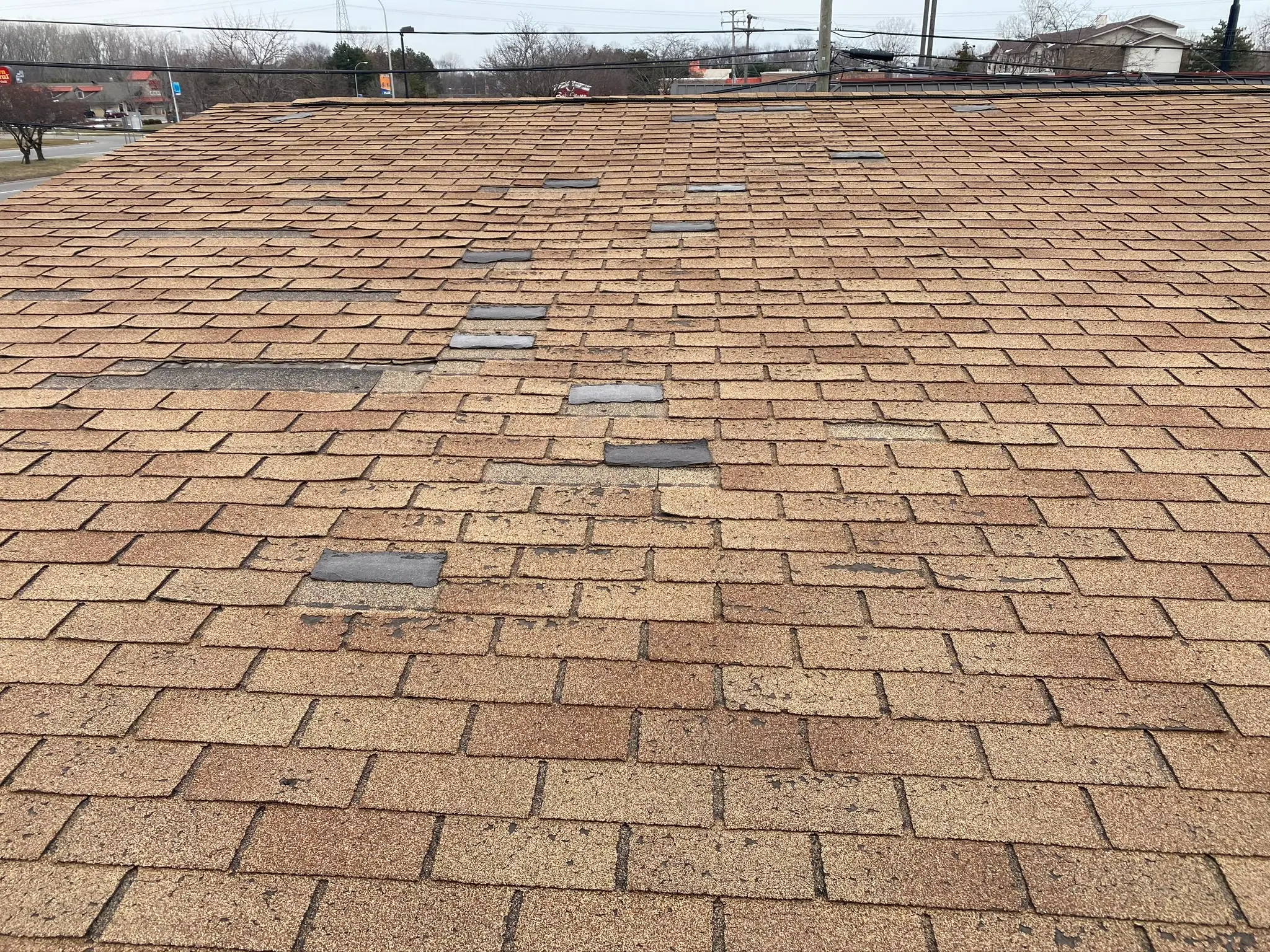
MATCHING IS A CONSTRUCTION QUESTION
Repairability depends on more than appearance. Dimensions, exposure, thickness, profile, fastening location, installation method, surrounding roof condition, and whether the product can be integrated correctly all matter.
The right question is not simply, “Can we find something close?” It is whether the available material allows a localized repair that restores the roof as a functioning system.
THE REPAIRABILITY TEST
Identify the existing material. Verify real availability. Confirm sufficient quantity. Evaluate compatibility. Then decide whether the damaged area can actually be repaired.
A database result or a single sample does not prove that a repair is practical.
THREE STEPS BEFORE CALLING IT REPAIRABLE
A legitimate repair analysis should separate these steps instead of assuming that identifying a product means the repair can be completed.
01
What is actually installed on the roof?
Manufacturer, product line, dimensions, profile, color, approximate age, and other identifying characteristics help establish what material the repair would need to integrate with.
Start With the Inspection →02
Can enough usable material actually be sourced?
A discontinued product may still appear in a report, database, or specialty inventory. That does not prove enough usable material exists for the documented repair. Quantity, current inventory, condition, and the ability to actually reserve or purchase the material all matter.
What Is a Roofing Supplement? →03
Can the material be integrated into the existing roof correctly?
Dimensions, exposure, profile, fastening location, seal-strip position, surrounding shingle condition, brittleness, and the location of the damage can determine whether a technically identified material can actually be installed as a sound localized repair.
Who Determines Insurance Coverage? →AVAILABILITY MUST BE VERIFIED
Material reports can help identify a product or point to a potential supplier. They are useful evidence, but they do not guarantee that the quantity required for the repair is sitting on a shelf and available to purchase.
When availability matters to the scope, the practical question is whether the material can be verified, obtained in sufficient quantity, and used in a repair that is compatible with the existing roof.
THE PRACTICAL TEST
A few loose shingles, a partial bundle, or a historical inventory listing may prove that a product existed. It may not prove there is enough material to complete the documented repair area.
Repairability is a construction conclusion. It should be supported by material facts, quantity, compatibility, and the condition of the roof being disturbed.
COMMON REPAIRABILITY PROBLEMS
Repairability can fail for several different reasons. The important thing is to document which one actually applies instead of jumping from “no perfect match” directly to replacement.
A discontinued shingle may no longer be produced through normal distribution. That creates an availability question, but discontinuation by itself does not automatically answer the repair-versus-replacement question.
A supplier may have a handful of shingles or limited specialty stock. The material question has to be measured against the actual repair area and the quantity required to complete the work.
A product can be visually similar and still differ in dimensions, profile, exposure, fastening location, seal-strip position, or installation requirements. Those differences can make a seemingly close match unsuitable for the repair.
A localized repair requires disturbing adjacent shingles. Age, brittleness, prior repairs, seal strength, and surrounding roof condition can make that disturbance impractical even when a replacement shingle is available.
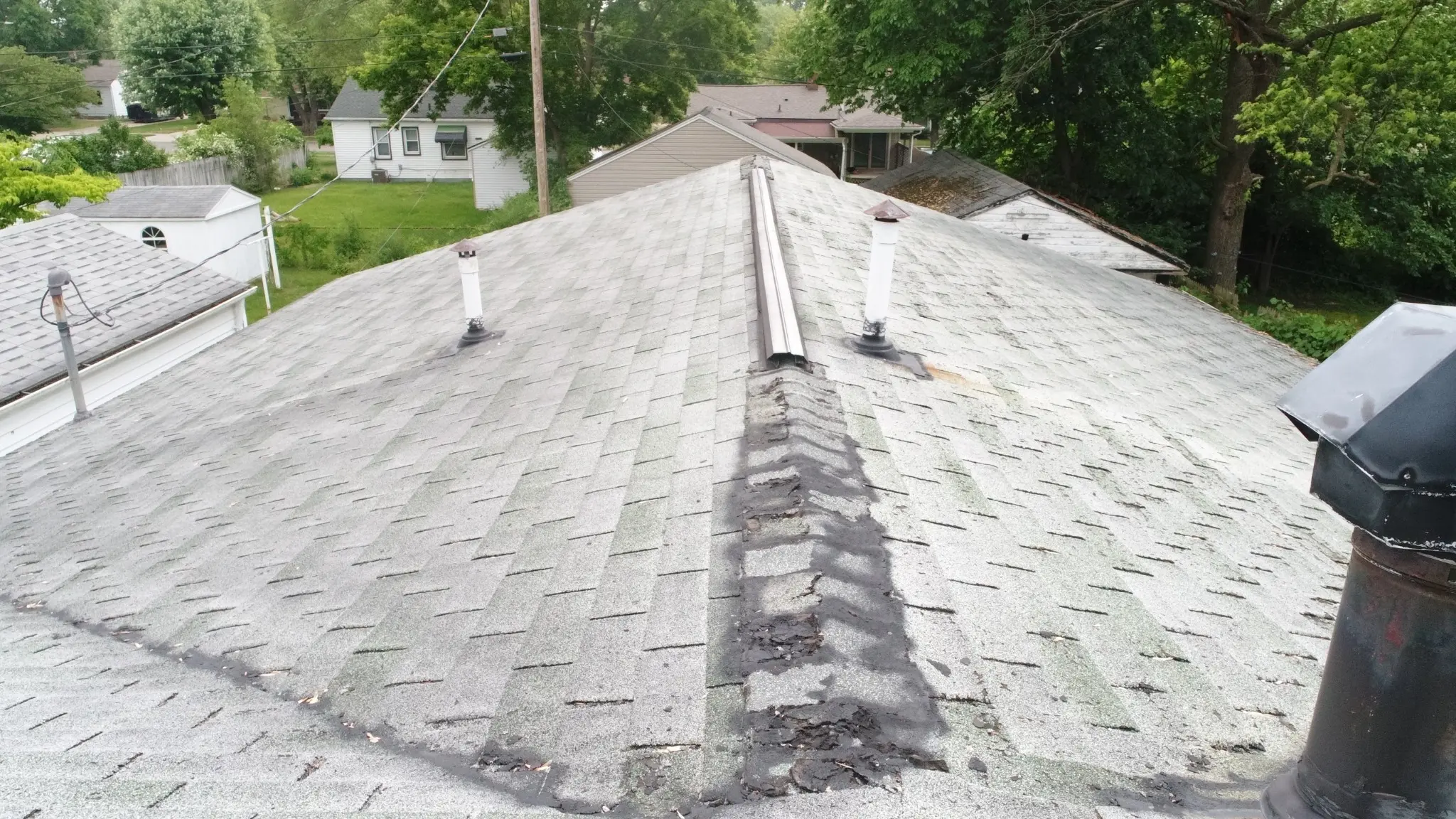

The roof may show the damage. The attic can help explain the path water took and whether the roof deck or ventilation system has additional concerns.
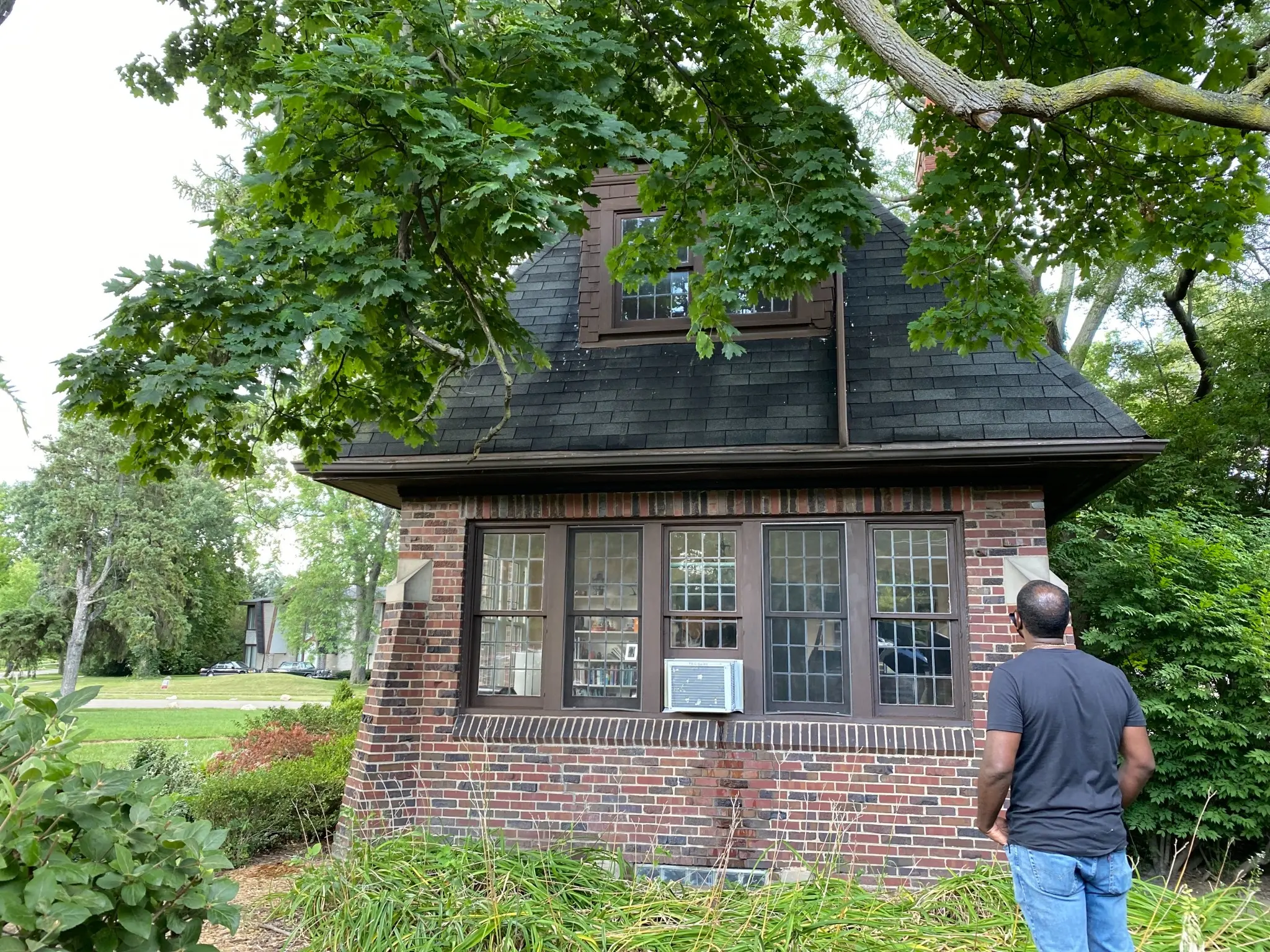
THE REPAIRABILITY INSPECTION
Armor starts with the damaged area and the surrounding roof, documents the existing shingle, evaluates how the repair would have to be performed, and verifies material information when availability is part of the decision.
Facts first. Scope second.
Photos, measurements, material identification, supplier information, required quantity, and the condition of adjacent shingles give the repairability conclusion something concrete to stand on.
SHINGLE MATCHING & REPAIRABILITY QUESTIONS
Material matching is often discussed as if it were only about color. In practice, availability, compatibility, quantity, and the condition of the existing roof can all affect whether a localized repair is legitimate.
No. Color is only one characteristic. Dimensions, profile, exposure, fastening location, seal-strip position, installation requirements, and the way the new material integrates with the existing roof also matter.
Not by itself. Discontinuation creates an availability question. The next steps are to verify whether usable material exists in sufficient quantity and whether a localized repair can actually be completed correctly.
The available quantity has to be compared with the actual repair requirement. A few shingles may be real inventory but still be insufficient for the documented repair area.
The insurance carrier interprets the policy and determines coverage. The roofing contractor's job is to document material availability, repairability, and the construction scope supported by the roof conditions.
THE REPAIRABILITY EVIDENCE CHAIN
The useful record connects four separate questions: what material is on the roof, whether enough usable material can actually be sourced, whether it can be integrated correctly, and what scope those facts support.
01
Establish what is actually installed
Document the manufacturer, product line, dimensions, profile, color, approximate age, and other characteristics that matter to a legitimate repair.
02
Confirm quantity, not just existence
A sample, database listing, or specialty-supplier result does not prove enough usable material exists. The quantity needed for the actual repair has to be available.
03
Make sure the repair can actually be built
The replacement material still has to integrate with the existing roof without creating fastening, exposure, sealing, dimensional, or surrounding-shingle problems.
04
Connect the facts to the roofing scope
The final scope should explain why a localized repair is practical or why the documented material, quantity, compatibility, and roof conditions point toward a broader repair or replacement.
WHAT HOMEOWNERS SAY ABOUT ARMOR
Armor Roofing Gulf Coast is new to Mississippi, but the standards behind the company are not. Until local Gulf Coast reviews begin coming in, selected feedback from Armor's Michigan operation shows the kind of communication, inspection, problem-solving, and workmanship the company is built around.
LEAH | ARMOR ROOFING CUSTOMER | MICHIGAN
“He was quick, honest, and very thorough. He took his time to explain our options. I felt comfortable knowing I would receive high quality work, and that's exactly what Paul and his team at Armor Roofing delivered.”
“I would recommend Paul to any of my friends and family.”
MAKE THE SCOPE FOLLOW THE ROOF
Armor starts with the existing roof, verifies the material and the amount actually required, and evaluates whether the surrounding roofing system can accept a proper localized repair.
If the evidence supports repair, repair it. If the evidence shows the repair cannot be completed correctly, document why and let the roofing scope follow the facts.
REPAIRABILITY BEFORE REPLACEMENT
Identification, verified quantity, compatibility, surrounding roof condition, and documentation should all point to the same conclusion.