
CONTRACTOR ACCOUNTABILITY GUIDE | MISSISSIPPI GULF COAST
One missed call is not abandonment. But repeated no-shows, unanswered messages, unexplained delays, or silence after money changes hands are reasons to stop relying on verbal promises and start building a clear written record. The next step depends on where the project stands, what you paid, what the contract says, and whether the roof is currently protected.
THE DIRECT ANSWER
Roofing schedules can move because of weather, inspections, material delivery, hidden conditions, crew availability, or another project running long. A legitimate delay should still come with communication. The warning sign is not that a date moved. It is that nobody can tell you what changed, what happens next, or when you should expect another update.
If calls and messages are going unanswered, move the conversation into writing. Save the contract, estimate, payment records, texts, emails, photos, permit information, delivery receipts, and every promised date you can document. If the roof is open, leaking, or unsafe, protecting the property comes first.
COMMUNICATION IS PART OF THE JOB
Weather changes. Materials get delayed. Tear-off can uncover conditions nobody could see beforehand. Professionalism is not pretending those things never happen. It is explaining what happened, documenting changes, resetting expectations, and staying reachable until the issue is resolved.
A schedule can change. Accountability should not disappear with it.
WHERE THE PROBLEM STANDS
A missed estimate appointment is frustrating. Silence after a deposit or during an unfinished roof is a different level of risk.
01
Missed appointment or estimate follow-up
If a contractor repeatedly misses appointments or will not return calls before you become a customer, treat that as useful information. You do not owe a company another chance simply because they were recommended online or gave you an attractive price.
How to Know a Roofer Will Show Up →02
Money changed hands, but the project has not started
Review the written payment terms, cancellation language, expected start window, material status, and any promises made in writing. Send one concise written request for a project status and a specific response date. Avoid sending money simply to restore communication.
What to Verify Before a Roofing Deposit →03
Unfinished work, open questions, or a warranty problem
Document the physical condition before another contractor changes the work. If water is entering or the roof is unsafe, mitigation comes first. For non-emergencies, preserve photos, invoices, change orders, inspection records, warranty documents, and the remaining scope.
Will Your Roofer Be Around for the Warranty? →BUILD A PAPER TRAIL
Create one timeline with the contract date, deposit and payment dates, promised start dates, material deliveries, work performed, missed appointments, unanswered messages, and any explanation the company has provided. Save screenshots rather than relying on a message thread remaining available forever.
Keep the proposal, contract, payment receipts, financing documents, permits, supplier information you legitimately received, photos before and after work, warranty paperwork, inspection records, and every change order. If you later need help from a regulator, attorney, lender, manufacturer, or another contractor, a clean record is far more useful than a memory of what happened.
SEND ONE CLEAR STATUS REQUEST
A useful written message is specific: identify the project, summarize the unresolved issue, ask what is currently outstanding, and request a response by a reasonable date. That gives the contractor a fair opportunity to explain the situation and gives you a record if the silence continues.
This article is general consumer guidance, not legal advice. Contract disputes, recovery of money, liens, financing disputes, and formal legal remedies may require advice from the appropriate regulator or a qualified attorney.
FOUR COMMON COMMUNICATION BREAKDOWNS
The seriousness changes with the homeowner's exposure, the money already paid, and whether the house is currently protected.
The contractor misses an appointment and does not follow up. You have little financial exposure, but you just learned something about the company's communication before signing. Move on if the pattern makes you uncomfortable.
The company has your money, but nobody can explain material status, scheduling, permits, or when work will begin. Review the contract, document every communication attempt, and request a written status before making additional payments.
This can become a property-protection issue quickly. Photograph the site, identify what is open or unfinished, preserve materials and paperwork, and address active water entry or unsafe conditions immediately. A second roofer may be able to document the remaining construction scope.
Document the issue before repair, review both contractor and manufacturer warranty documents, and determine whether the problem is workmanship, material, maintenance, or something unrelated. A warranty is only useful when you know who is responsible for what.
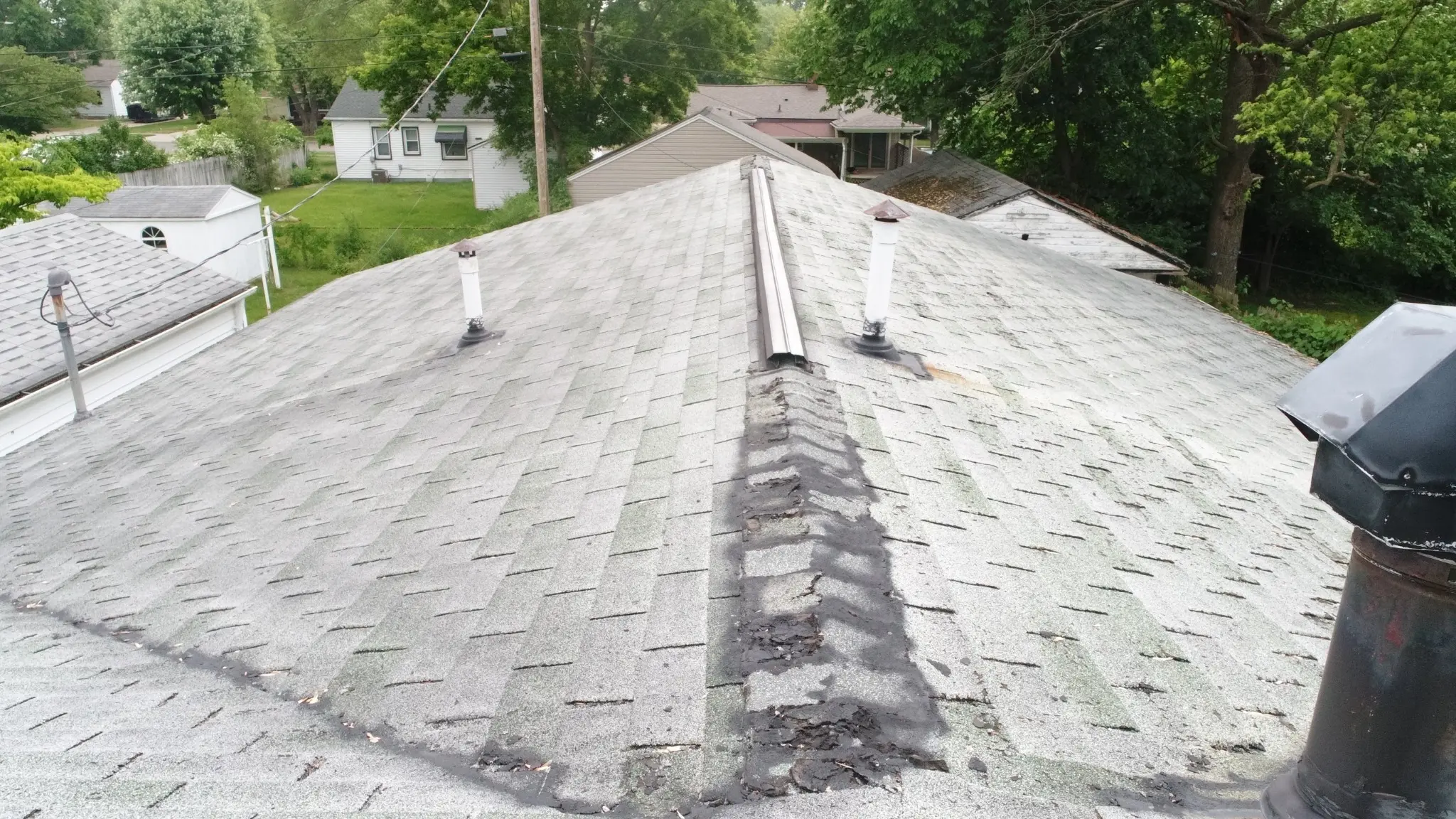
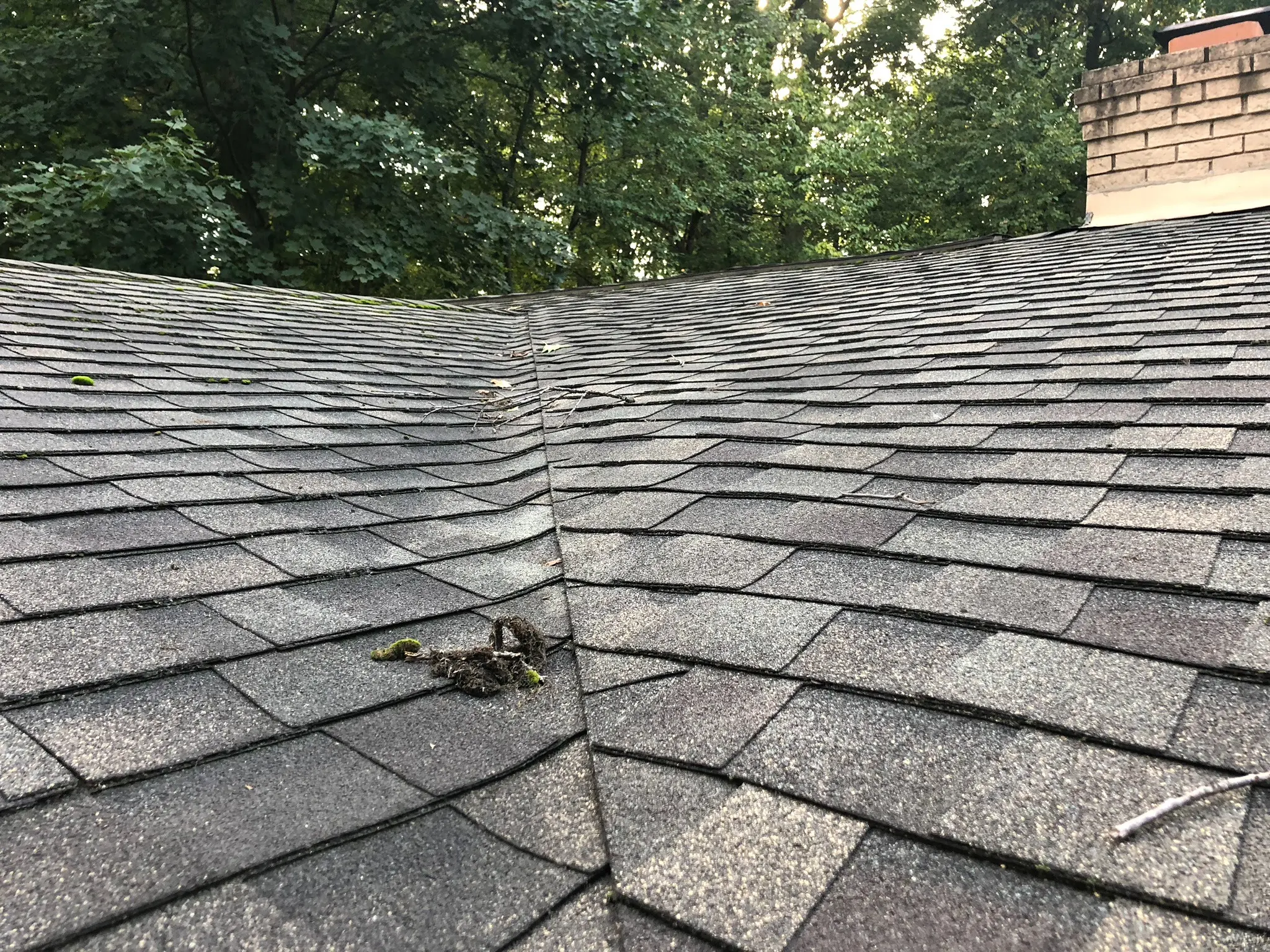
If another contractor must inspect unfinished or disputed work, document the existing condition before anything is changed whenever safety allows.
WHAT ARMOR CAN DO
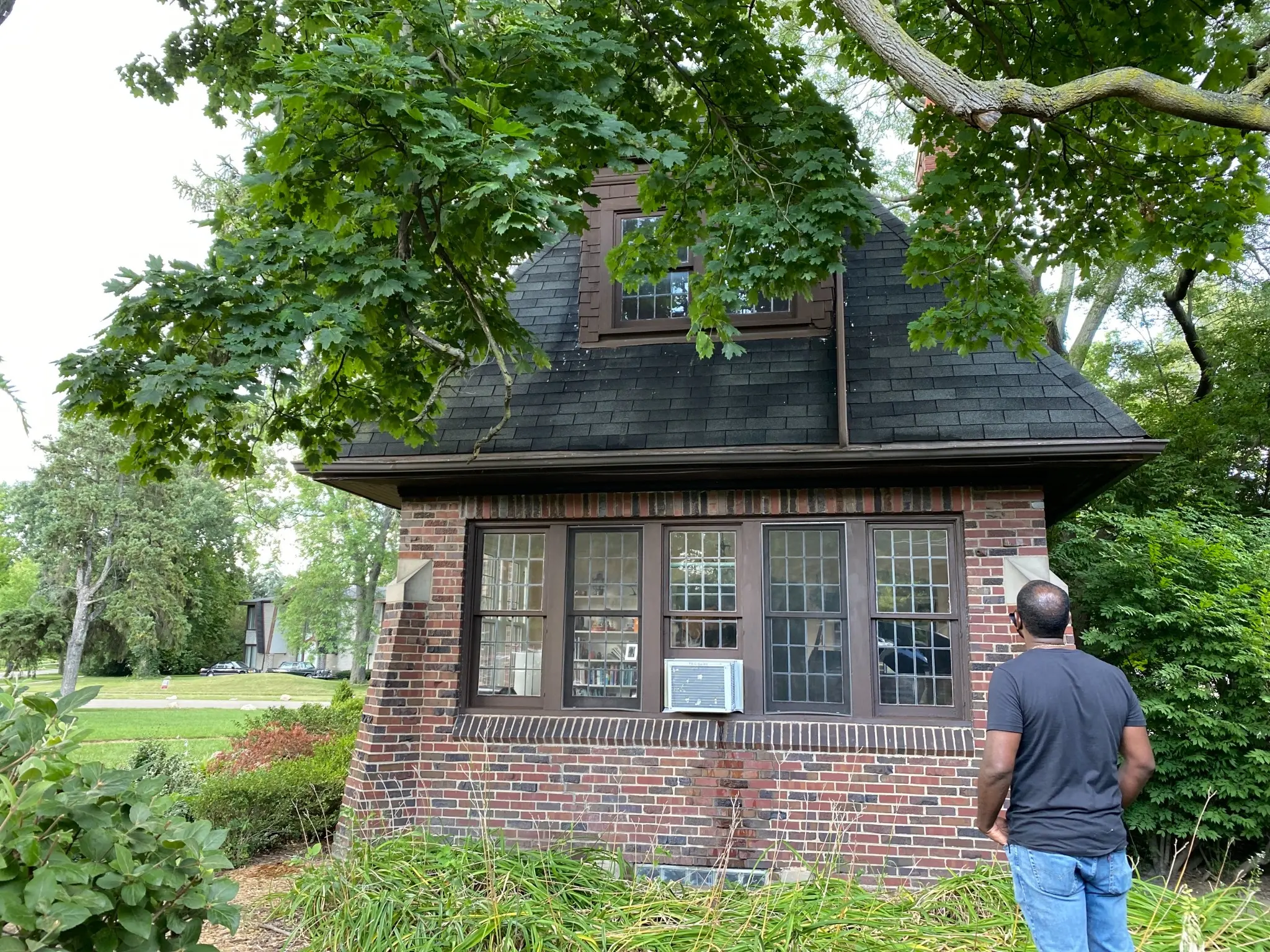
If another contractor left a roofing project unfinished, Armor can inspect accessible conditions, photograph the work, identify roofing-system concerns, describe the remaining construction scope, and explain what would be required to protect or complete the roof. Questions about money recovery, contractual liability, liens, or legal remedies belong with the appropriate regulator or legal professional.
Document the condition. Protect the home. Then decide what comes next.
That keeps a construction problem from becoming harder to understand simply because another person started changing the work.
CONTRACTOR COMMUNICATION QUESTIONS
The right response depends on the contract, money paid, project status, and whether the home needs immediate protection.
There is no universal number of hours or days that proves abandonment. Context matters. A missed call is different from repeated silence after a deposit, a missed start date, or unfinished work. Once the pattern concerns you, move the request into writing and ask for a specific project status and response date.
If the home is actively leaking, open to weather, or unsafe, emergency protection may be necessary. Otherwise, document the existing condition before another contractor changes the work. A second roofer can assess construction conditions, but questions about terminating the original contract or recovering money may require regulatory or legal guidance.
Yes. The Mississippi State Board of Contractors maintains an online contractor search. Licensing requirements depend on the type and value of work, so verify the contractor and classification that apply to the project rather than relying on a license number printed in an advertisement.
Preserve the contract, payment records, communications, photos, permits, and remaining scope. MSBOC's Enforcement Division provides contractor-consumer protection information and complaint resources. For contract termination, liens, financing, or money recovery, consider appropriate legal advice as well.
NEED THE ROOF ITSELF DOCUMENTED?
Armor can inspect accessible roofing conditions, document concerns, identify unfinished roofing scope, and explain what would be required to protect or complete the roof.
We will not pretend that a roof inspection decides a contract dispute. It gives the homeowner better construction facts to work from.
ARMOR ROOFING GULF COAST
Clear scope. Clear communication. Clear responsibility. Local accountability.