
GULF COAST ROOFING GUIDE | HURRICANE SEASON
Sometimes. An older roof, active leaks, widespread wear, poor repairability, loose or failing materials, repeated repairs, or known decking and flashing problems may justify replacement before peak storm exposure. Age alone is not enough. The decision should come from condition, risk, timing, and what the roof actually needs.
THE DIRECT ANSWER
The Atlantic hurricane season runs from June 1 through November 30. That does not mean every older Gulf Coast roof should be replaced in May. It means homeowners with known roof concerns are better served by evaluating them before demand, weather, emergency repairs, and insurance questions all arrive at once.
A serviceable roof can often remain in service. A roof with active problems should not be kept simply because replacement feels premature. The inspection should answer whether repair is reasonable, whether the roof is still reliably shedding water, and whether known vulnerabilities justify acting before the next severe-weather cycle.
NO MANUFACTURED URGENCY
A contractor should not use hurricane season as a fear tactic to sell a roof that does not need replacement. The legitimate reason to act earlier is that an already-marginal roof has less tolerance for severe wind and rain, and project options become harder once a storm is imminent.
Inspect early enough to have choices. Decide from the roof, not the forecast.
WHAT SHOULD DRIVE THE DECISION
Hurricane season is the reason to evaluate an uncertain roof earlier. It is not the reason to replace a healthy roof.
01
What is failing now?
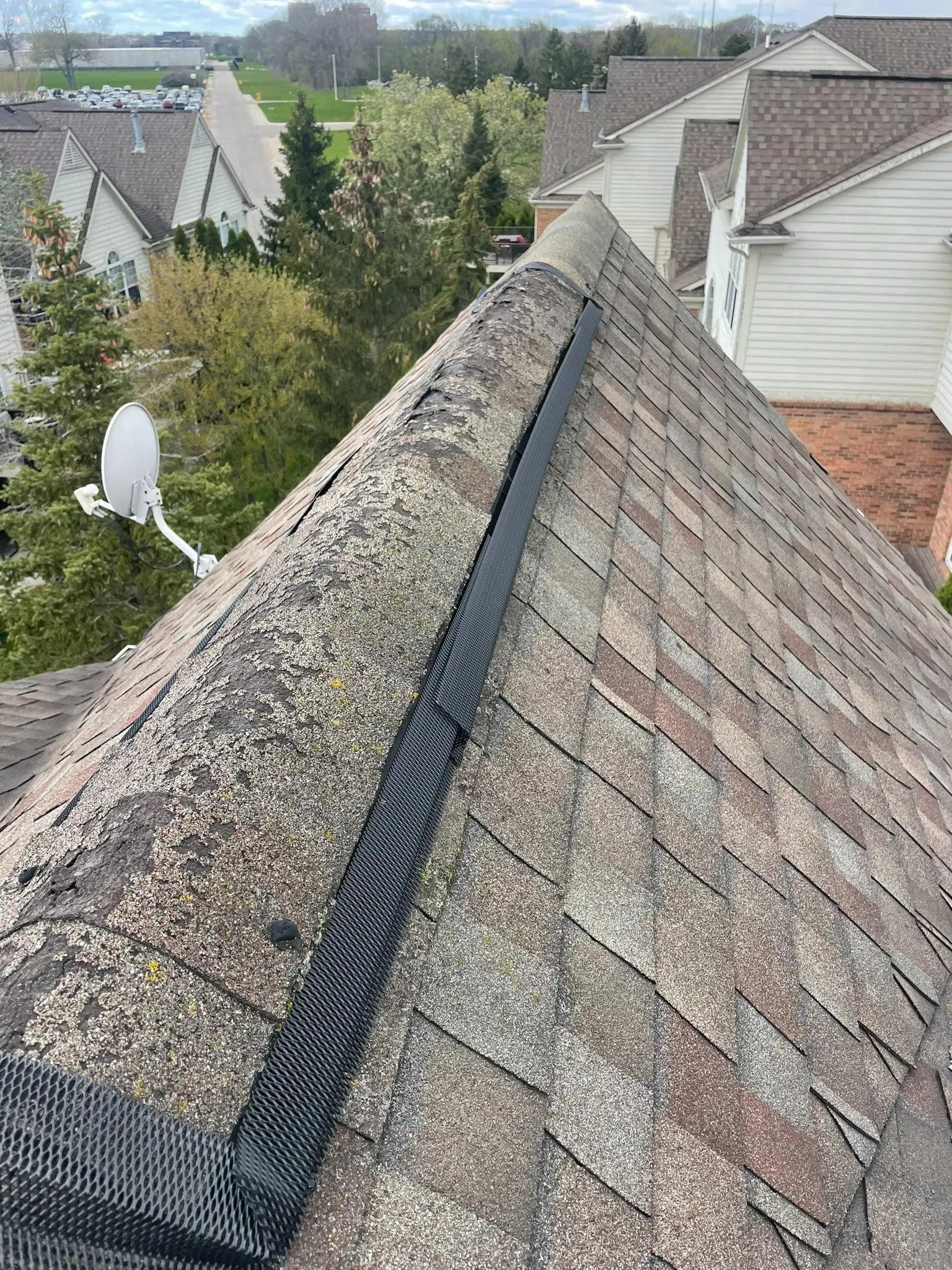
Active leaks, brittle or heavily worn shingles, repeated repairs, widespread deterioration, missing material, failed flashing, or a roof that is no longer practically repairable are stronger reasons to consider replacement than age by itself.
Roof Repair vs. Replacement →02
What would severe wind and rain expose?
Decking problems, compromised roof edges, flashing defects, deteriorated penetrations, poor attic ventilation, and known water-entry points can matter even when the shingles are not obviously failing from the street.
Why Attic Ventilation Matters →03
Choices shrink as a storm approaches
Once a tropical system threatens the Coast, crews, materials, inspections, permits, insurance changes, and safe installation windows can all become harder to schedule. If replacement is already justified, completing it during normal conditions gives the homeowner more control.
Compare Roof Replacement Proposals →WHY LAST-MINUTE REPLACEMENT IS DIFFERENT
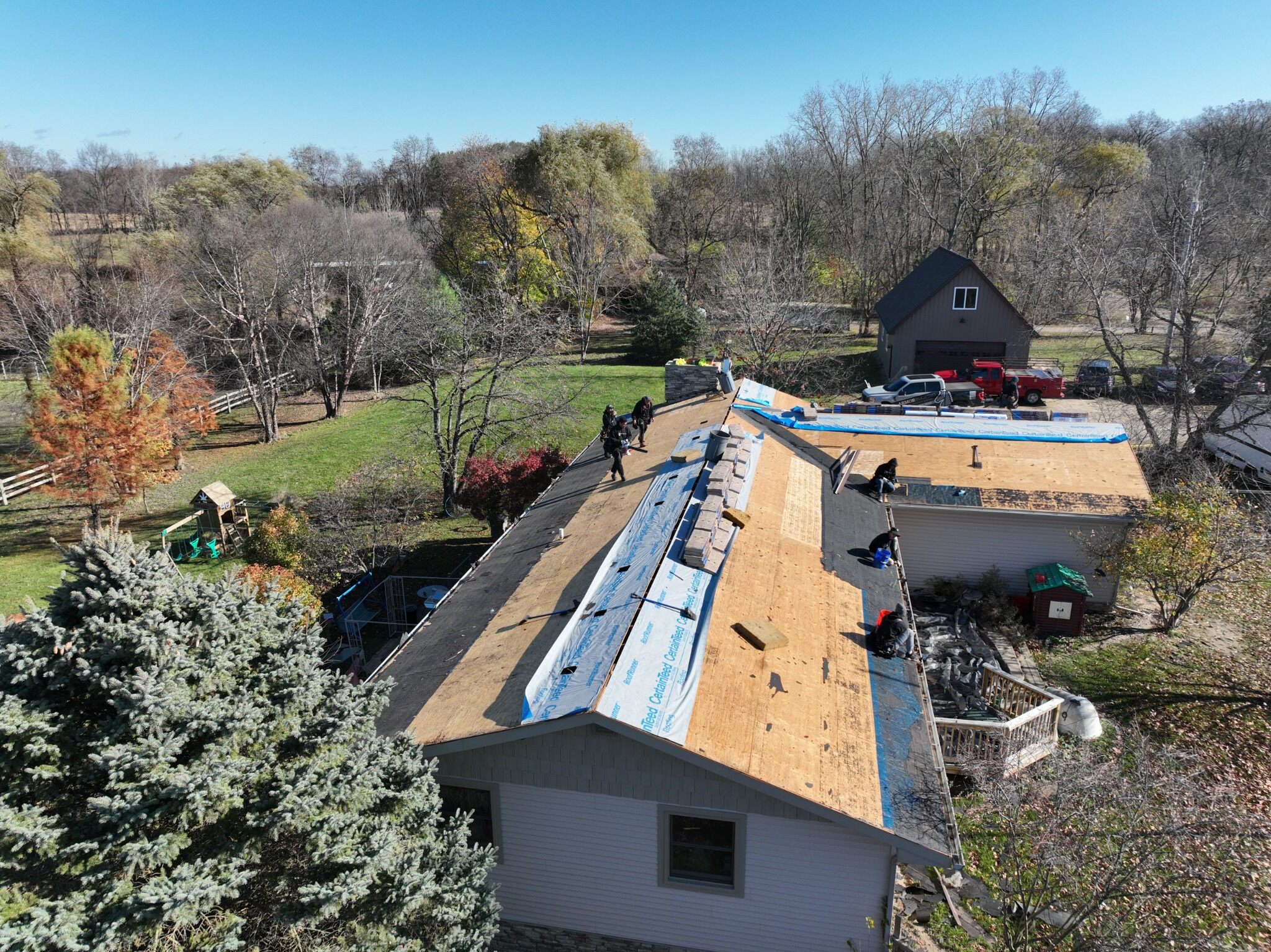
Roof replacement requires safe weather, material availability, proper tear-off, dry-in, flashing work, ventilation decisions, cleanup, and enough time to respond if hidden conditions are discovered. Those are not details that should be compressed into a panic schedule because a forecast changed.
If a storm is already approaching, focus on safe mitigation: secure obvious loose items when it can be done safely, document the current condition, clean gutters and drains, protect vulnerable interior areas, review insurance information, and follow official emergency guidance.
A BETTER TIMELINE
If the roof is questionable, evaluate it early enough to compare repair and replacement options, understand costs, review FORTIFIED possibilities, and plan the project without artificial urgency.
If the roof is serviceable, document that too. Preparedness should create clarity, not automatically create a roofing project.
FOUR COMMON SCENARIOS
These examples show why hurricane season should be part of the timing discussion rather than a universal replacement trigger.
The roof is older but dry, reasonably repairable, and not showing widespread failure. Replacement may eventually make sense, but hurricane season by itself is not a reason to manufacture urgency.
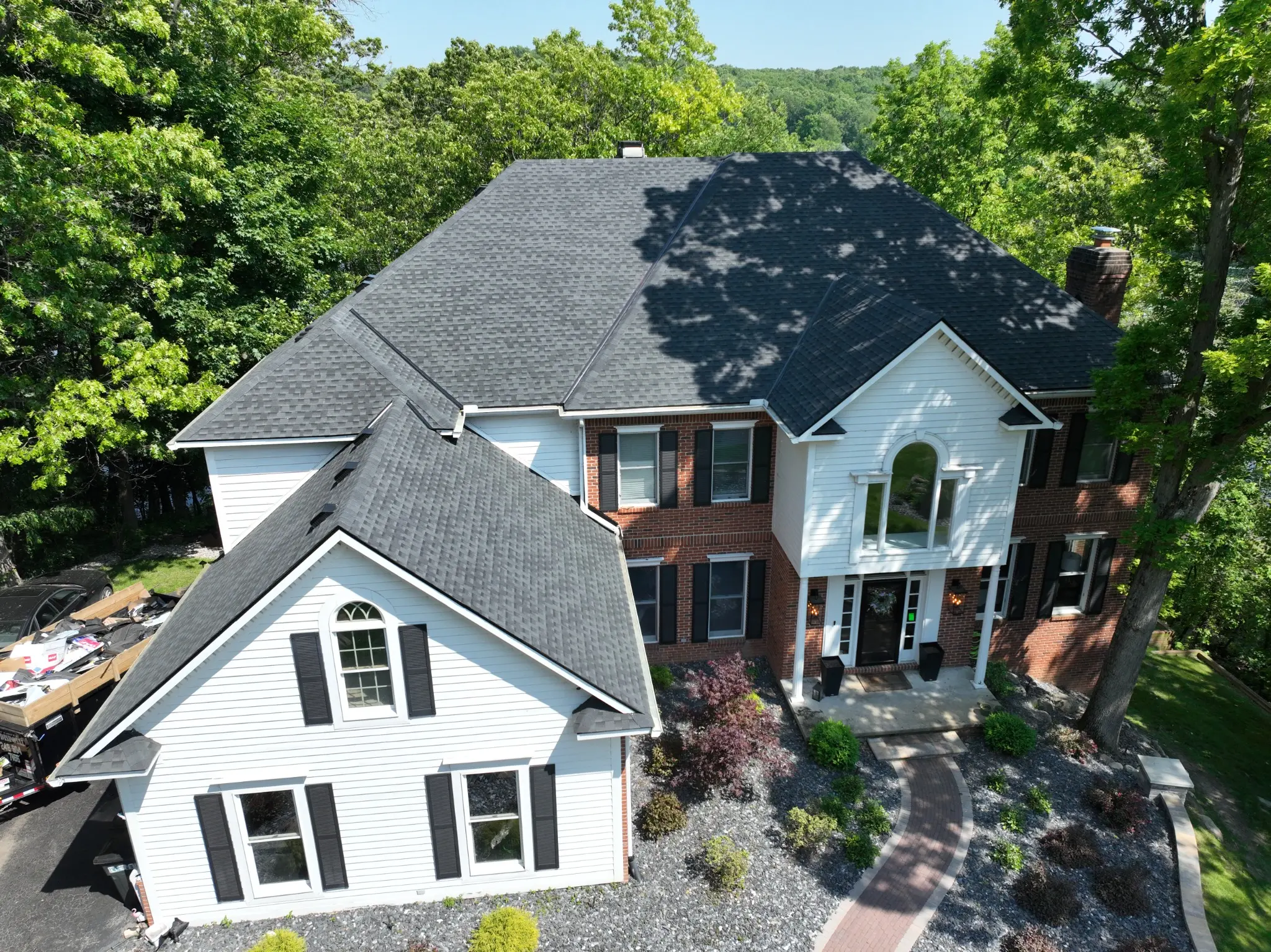
The roof already has water entry, recurring repairs, worn materials, or multiple weak points. If replacement is justified from condition, doing it before peak storm activity may reduce the risk of entering hurricane season with a known problem.
The homeowner already knows the roof needs replacement. Completing the project during stable weather can provide better scheduling, time to evaluate FORTIFIED upgrades, and fewer last-minute material or labor constraints.
This is not the time to force a full replacement into an unsafe or unrealistic window. Protect the property, document conditions, follow official preparedness guidance, and evaluate permanent work when conditions allow.

The roof may show the damage. The attic can help explain the path water took and whether the roof deck or ventilation system has additional concerns.
THE ARMOR APPROACH
For an uncertain Gulf Coast roof, the best pre-season outcome is clarity. That may mean no work, a targeted repair, planned replacement, or a FORTIFIED conversation if replacement already makes sense.
Preparedness should give you more options, not more pressure.
The goal is to understand the roof while there is still time to choose the right response.
PRE-HURRICANE ROOF QUESTIONS
Hurricane season changes the consequences of an unresolved roof problem, but it does not change the basic rule: inspect first and make the scope fit the condition.
Not automatically. At that age, an inspection is reasonable because condition, repairability, leaks, material wear, flashing, ventilation, and storm history matter. A serviceable 20-year-old roof and a failing 20-year-old roof are different decisions.
It may be unsafe or impractical to start a full replacement as a storm approaches. The priority becomes protecting people and property, following official guidance, documenting conditions, and completing permanent work when a safe installation window returns.
No. Roof age is not storm damage. A claim should relate to a covered loss and the carrier determines coverage. If the concern is simply age or condition, start with an inspection and a replacement decision rather than assuming insurance is involved.
If replacement already makes sense, that is the logical time to evaluate FORTIFIED because the roof deck, water-control layers, edges, fasteners, components, documentation, and independent evaluation can be addressed as part of the project.
BE READY BEFORE THE WEATHER CHANGES
A pre-season inspection can tell you whether the roof needs nothing, a repair, planned replacement, or a deeper resilience conversation.
That is a much better position than trying to solve an uncertain roof while material supply, contractor schedules, insurance restrictions, and weather are all changing at once.
ARMOR ROOFING GULF COAST
Facts first. Recommendations second. Decisions last.