
GULF COAST INSURANCE GUIDE | ROOF AGE
Yes. The Mississippi Insurance Department lists roof age and roofing material among the factors that can affect homeowners insurance cost. But Mississippi law also says an insurer may not cancel a policy or binder, deny coverage, or nonrenew solely because of the roof's age. Age can still be one factor in the insurer's decision.

THE DIRECT ANSWER
Senate Bill 2130 and Mississippi Insurance Department Bulletin 2024-2 state that a homeowners or dwelling policy, binder, or renewal cannot be canceled or denied solely because of the age of the roof. MID says that includes nonrenewal.
The same bulletin makes clear that roof age can still be considered as one factor. MID also lists roof age and roofing material among the factors affecting homeowners insurance costs. The distinction is between using age as information and using age as the only reason.
AGE IS NOT CONDITION
Roof age is a useful risk indicator because materials weather over time, but age does not describe installation quality, ventilation, storm history, repair history, flashing condition, granule loss, seal integrity, brittleness, or the condition of the roof deck underneath.
A date tells you how long the roof has existed. An inspection tells you what condition it is in.
WHERE ROOF AGE CAN SHOW UP
Mississippi does not prohibit insurers from considering roof age. The law prevents age from being the sole reason for cancellation, denial, or nonrenewal.
01
Roof age and material are insurance-cost factors
MID's current premium guidance lists the age of the roof and roofing material among the information that can affect homeowners insurance costs.
Can a New Roof Lower Insurance? →02
Age may trigger closer review of the roof
An insurer can consider roof age along with other facts when deciding whether to issue or continue coverage. MID says the company should be able to demonstrate that an adverse decision was not based solely on age.
Roof Repair vs. Replacement →03
An inspection can add facts the roof's birthdate cannot
Photos and written findings can document shingle condition, flashing, repairs, ventilation, storm damage, brittleness, and other physical facts if the homeowner needs a clearer record of the roof's actual condition.
FORTIFIED Insurance Discounts →WHAT THE 2024 LAW DOES AND DOES NOT DO
MID Bulletin 2024-2 applies to homeowners policies issued or renewed on or after July 1, 2024. It says cancellation, denial, or nonrenewal cannot be based solely on roof age.
The bulletin also says age may remain a factor. It does not require an insurer to ignore damaged shingles, failed flashing, deterioration, leaks, poor maintenance, or other roof conditions that create a legitimate underwriting concern.
THE IMPORTANT WORD IS “SOLELY”
If a homeowner receives an adverse coverage notice involving the roof, read the stated reasons carefully. A roof-condition problem and a roof-age-only decision are not the same issue.
Questions about the insurer's application of the law belong with the carrier, agent, or Mississippi Insurance Department. A roofer can document the physical roof.
FOUR ROOF-AGE SCENARIOS
These examples show why roof age and roof condition should not be treated as interchangeable.
A relatively young roof can still have storm damage, installation defects, poor ventilation, flashing failures, or premature deterioration. Age alone does not make it a good roof.
An older roof may still be shedding water and showing no immediate failure signs. A field inspection can document actual condition instead of assuming replacement is required solely from the installation date.
Age and condition point in the same direction when shingles are brittle, heavily worn, repeatedly repaired, leaking, or no longer practical to repair. The physical findings matter independently of the roof's age.
After replacement, give the agent the completion date and project documentation so the insurer is not underwriting the house with stale roof-age information.
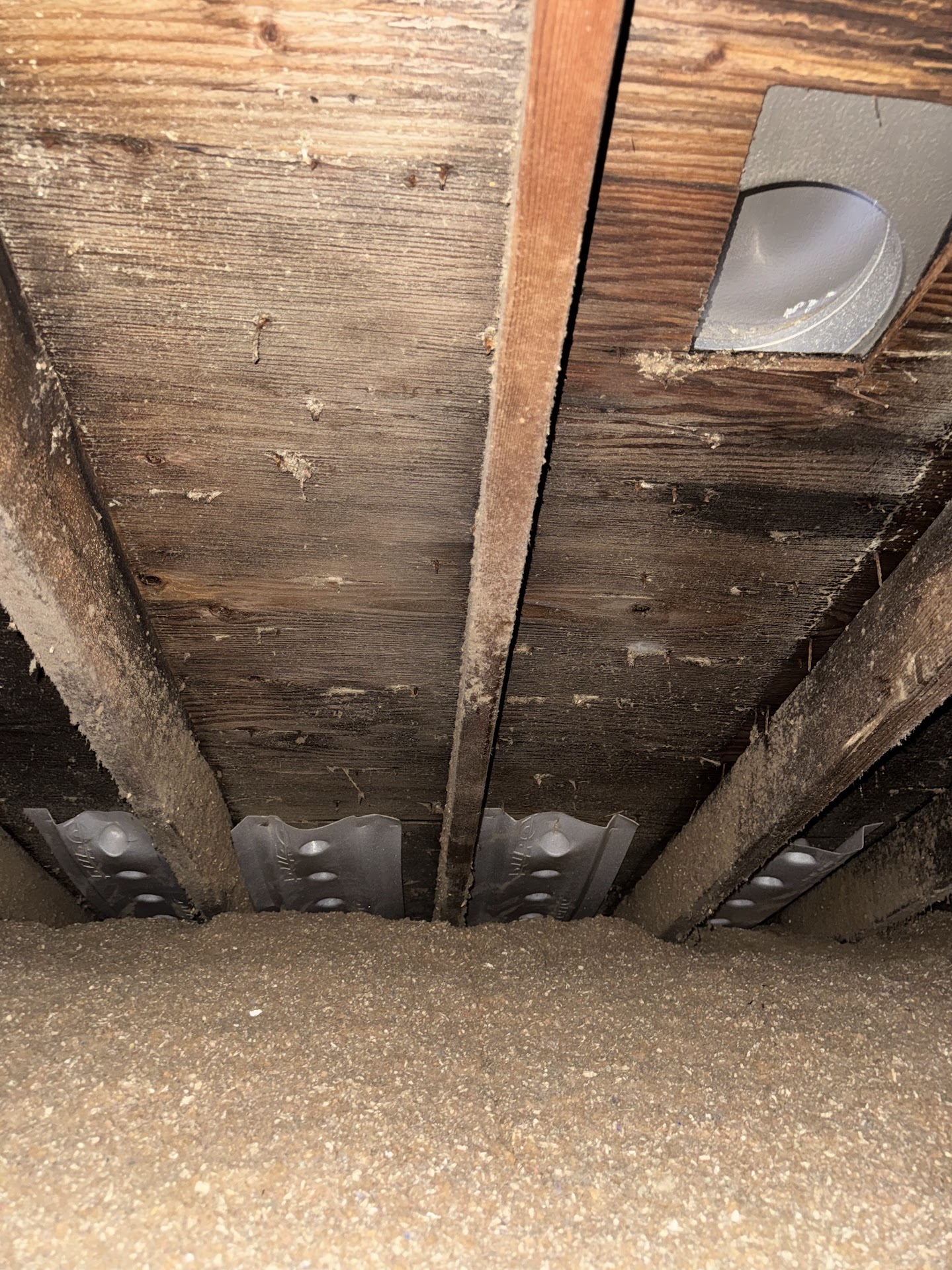
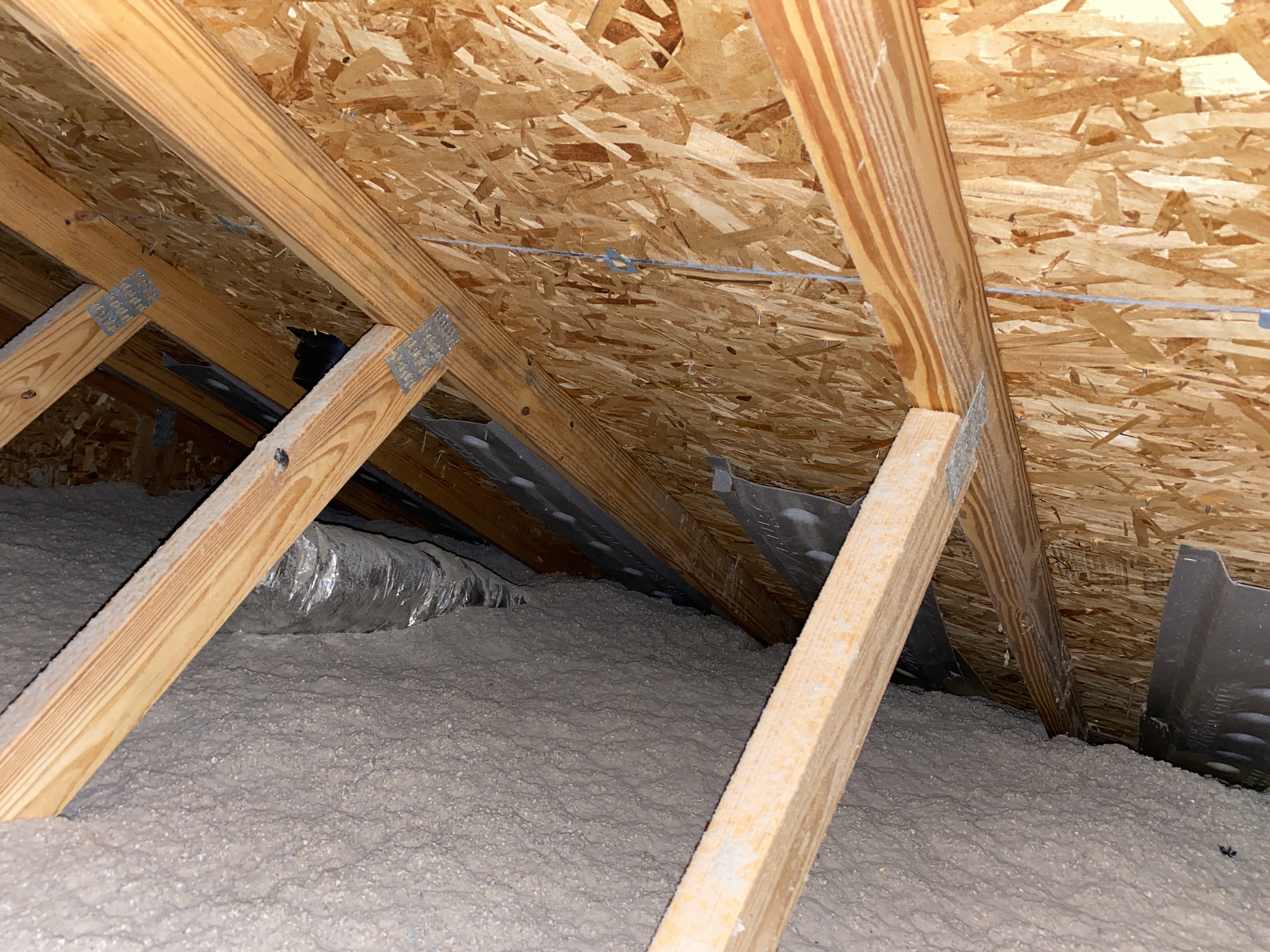
The roof may show the damage. The attic can help explain the path water took and whether the roof deck or ventilation system has additional concerns.
THE ARMOR INSPECTION
The question is simple: What does this house actually need? We start with the homeowner's concerns, evaluate the roofing system, and inspect the attic whenever it is safely accessible.
The roof speaks. The attic tells the truth.
A stain may show moisture. The attic may explain why. Premature roof aging may look like a shingle problem until ventilation or trapped moisture tells a different story.
ROOF AGE & INSURANCE QUESTIONS
Roof age can affect several different insurance conversations. The important thing is to separate pricing, underwriting, roof condition, and legal protections instead of treating them as the same issue.
A carrier can consider roof age along with other underwriting facts. Mississippi law limits adverse decisions based solely on age. If you receive a roof-age letter, read the exact reason and deadline rather than assuming the letter automatically means replacement is legally required.
No. Age is a risk indicator, not a complete diagnosis. The roof may be near the end of useful service, or it may still be functioning. Condition, repairability, storm history, material performance, ventilation, and flashing all matter.
It can. Roof age and material may affect pricing or underwriting, and qualifying mitigation or FORTIFIED improvements may create additional insurance opportunities. The carrier or agent should confirm the actual effect on your policy.
Read the notice carefully, identify the stated reason and deadline, ask what documentation the carrier will accept, and document the roof's actual condition before spending thousands of dollars based only on the age printed in the file.
WHEN AGE BECOMES A DECISION
An inspection can document whether the roof is worn, damaged, leaking, repairable, or still functioning as intended. That information is useful whether the next conversation is with your insurer, agent, buyer, or roofing contractor.
If you already received an insurance letter about roof age, start with the notice itself and its deadline. Then determine what documentation the carrier is actually asking for.
ARMOR ROOFING GULF COAST
Armor documents the physical roof. The carrier, agent, and Mississippi Insurance Department handle policy and regulatory questions.