
GULF COAST INSURANCE GUIDE | NEW ROOF & PREMIUMS
Sometimes, but a new roof does not automatically create a premium discount. Replacing an older roof can change the risk information an insurer uses, while qualifying wind-mitigation and FORTIFIED improvements can create specific insurance discounts. The actual savings depend on the carrier, policy, location, roof system, and documented mitigation features.
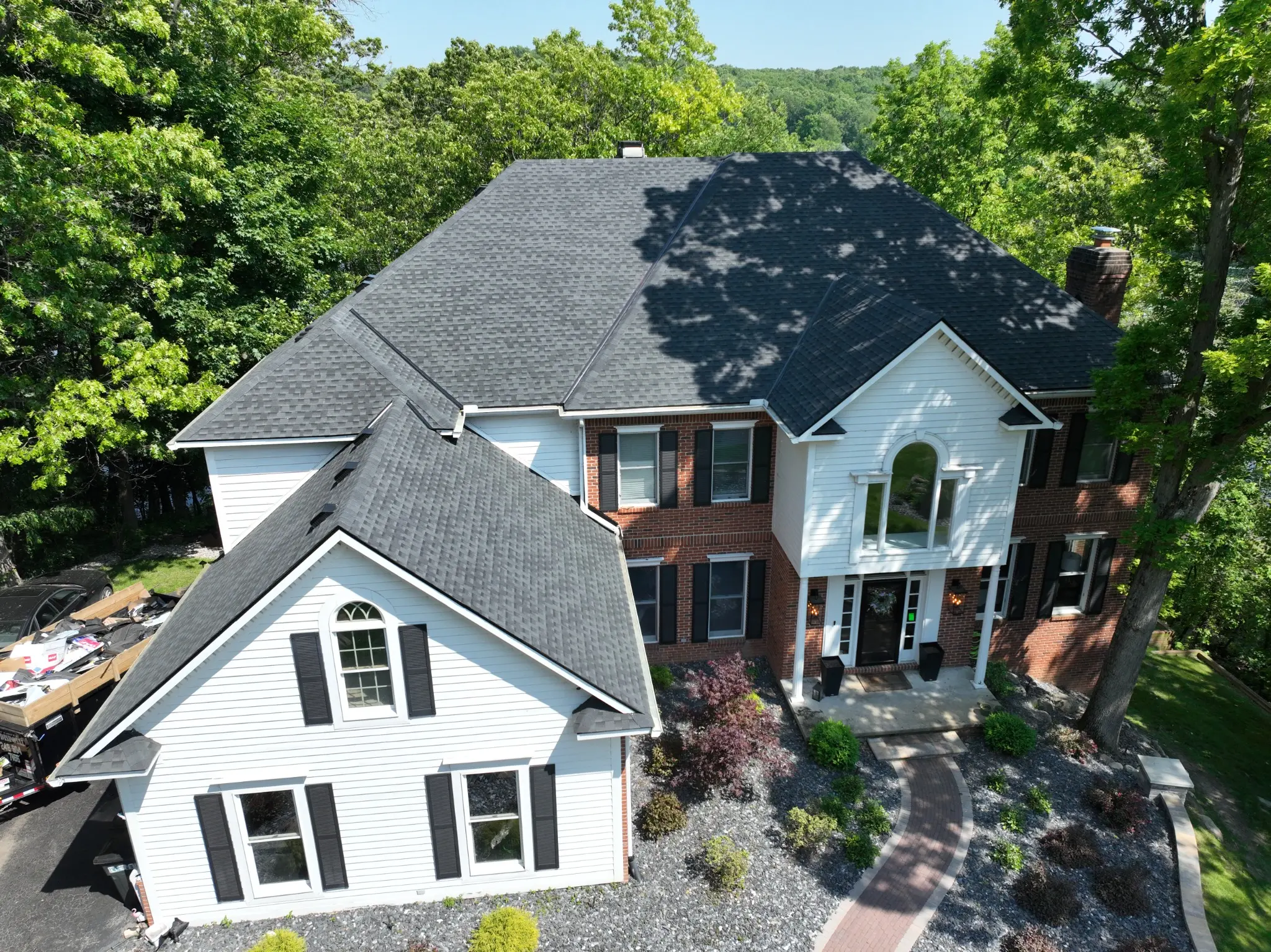
THE DIRECT ANSWER
Insurers price risk differently, so there is no statewide promise that replacing an old roof with a standard new roof will lower the total homeowners premium. A new roof can still matter because the insurer now has a younger roof, documented materials, and updated construction information to evaluate.
Mississippi does have a stronger and more specific incentive for mitigation. The Mississippi Insurance Department says state law requires discounts for homes mitigated to IBHS standards, and insurers have filed discounts with MID ranging from 15% to 30% for those FORTIFIED homes.
ASK THE BETTER QUESTION
A carrier may care about roof age, material, roof shape, wind resistance, roof-to-wall connections, opening protection, or a verified FORTIFIED designation. Replacing the roof gives the homeowner an opportunity to improve some of those characteristics, but only if the work is designed and documented accordingly.
If insurance savings matter to the project, ask the agent before the contract is signed, not after the roof is finished.
THREE DIFFERENT OUTCOMES
The useful question is whether the completed project changes only the roof's age or also changes the home's documented wind-resistance features.
01
The roof is new, but no special mitigation designation is added
The carrier may update the roof age, materials, and condition in its underwriting file. Whether that changes premium or eligibility depends on the insurer's rating and underwriting rules.
How Roof Age Affects Insurance →02
The project improves features the insurer recognizes
Roof attachment, roof-to-wall connections, opening protection, wind-rated components, and other mitigation features may affect available discounts when they meet the applicable insurer or state criteria.
FORTIFIED Insurance Discounts →03
The resilience upgrade is independently verified
Mississippi specifically recognizes IBHS/FORTIFIED mitigation. A qualifying designation can create insurance-discount opportunities beyond simply telling the carrier that the shingles are new.
Strengthen Mississippi Homes Grant →WHAT A NEW ROOF DOES NOT CHANGE
A new roof does not change the home's distance from the Gulf, neighborhood catastrophe exposure, rebuilding cost, claims history, insurer reinsurance costs, or broader rate changes. Those factors can keep a premium flat or even push it higher after a roof replacement.
That is why homeowners should not justify a roof replacement on an assumed insurance payback. The roof should make construction sense first. Any insurance benefit is something to verify with the carrier or agent.
AFTER THE ROOF IS COMPLETE
Provide the completion date, roofing material, paid invoice or contract, permit information when applicable, and any wind-mitigation or FORTIFIED documentation the insurer requests.
Then ask the agent to update the roof information and quote the policy again. Do not assume the carrier will automatically know the roof has been replaced.
FOUR REALISTIC OUTCOMES
These examples show why the insurance conversation should happen before and after the project. They are not promises of a specific carrier outcome.
The insurer updates the roof age but does not offer a new-roof discount. The homeowner still benefits from a new roofing system, but the insurance price does not materially change.
An older roof was narrowing the carriers willing to quote the home. After replacement, the updated roof information improves the home's eligibility with one or more insurers, even if the premium change is modest.
The roof is built and independently verified to the applicable FORTIFIED standard. The homeowner submits the designation and receives the qualifying mitigation treatment offered by the insurer.
The roof becomes a better risk, but catastrophe pricing, rebuilding costs, reinsurance, or an overall rate change outweigh the roof-related improvement. The new roof helped without producing a lower final bill.
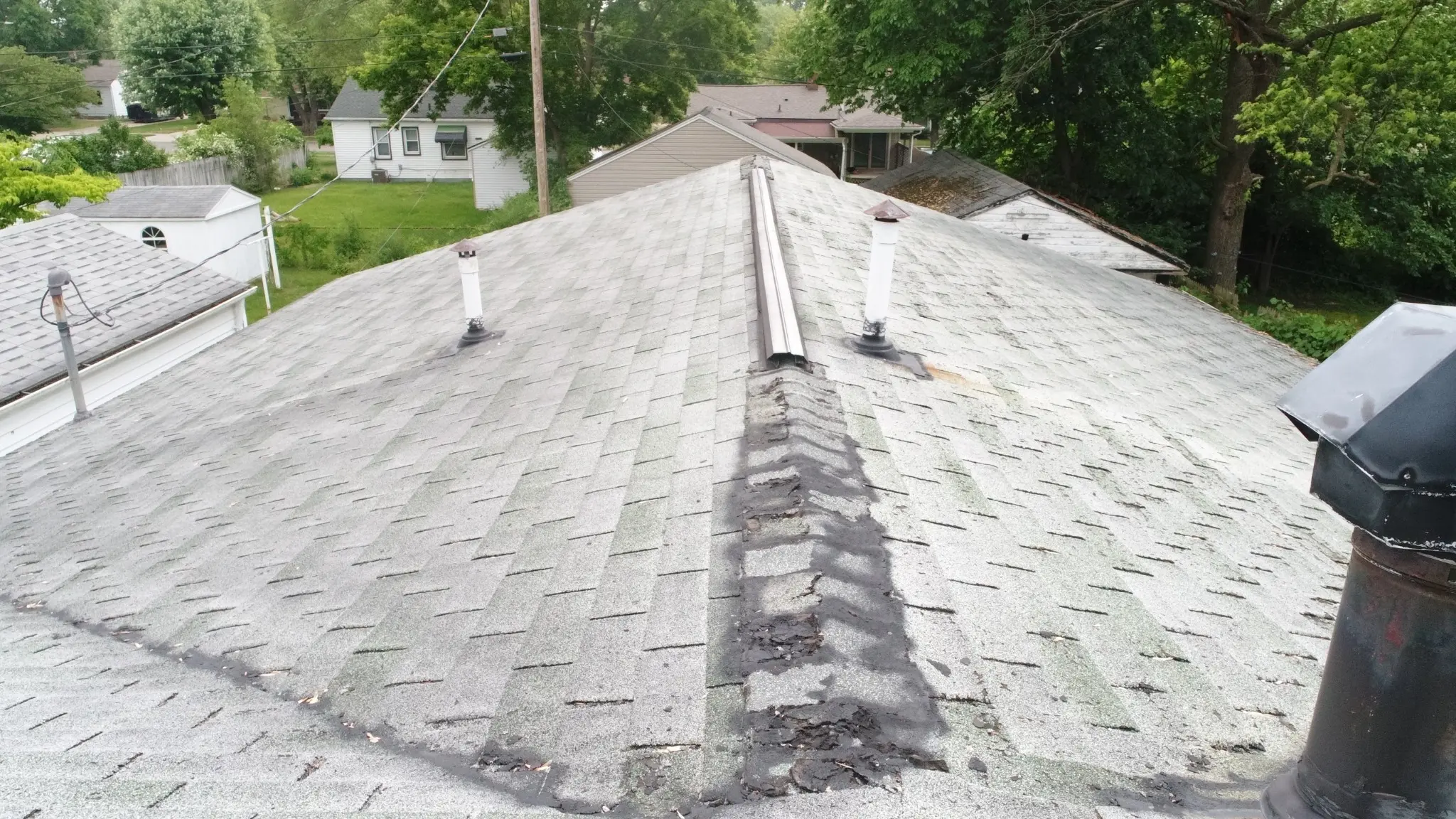

The roof may show the damage. The attic can help explain the path water took and whether the roof deck or ventilation system has additional concerns.
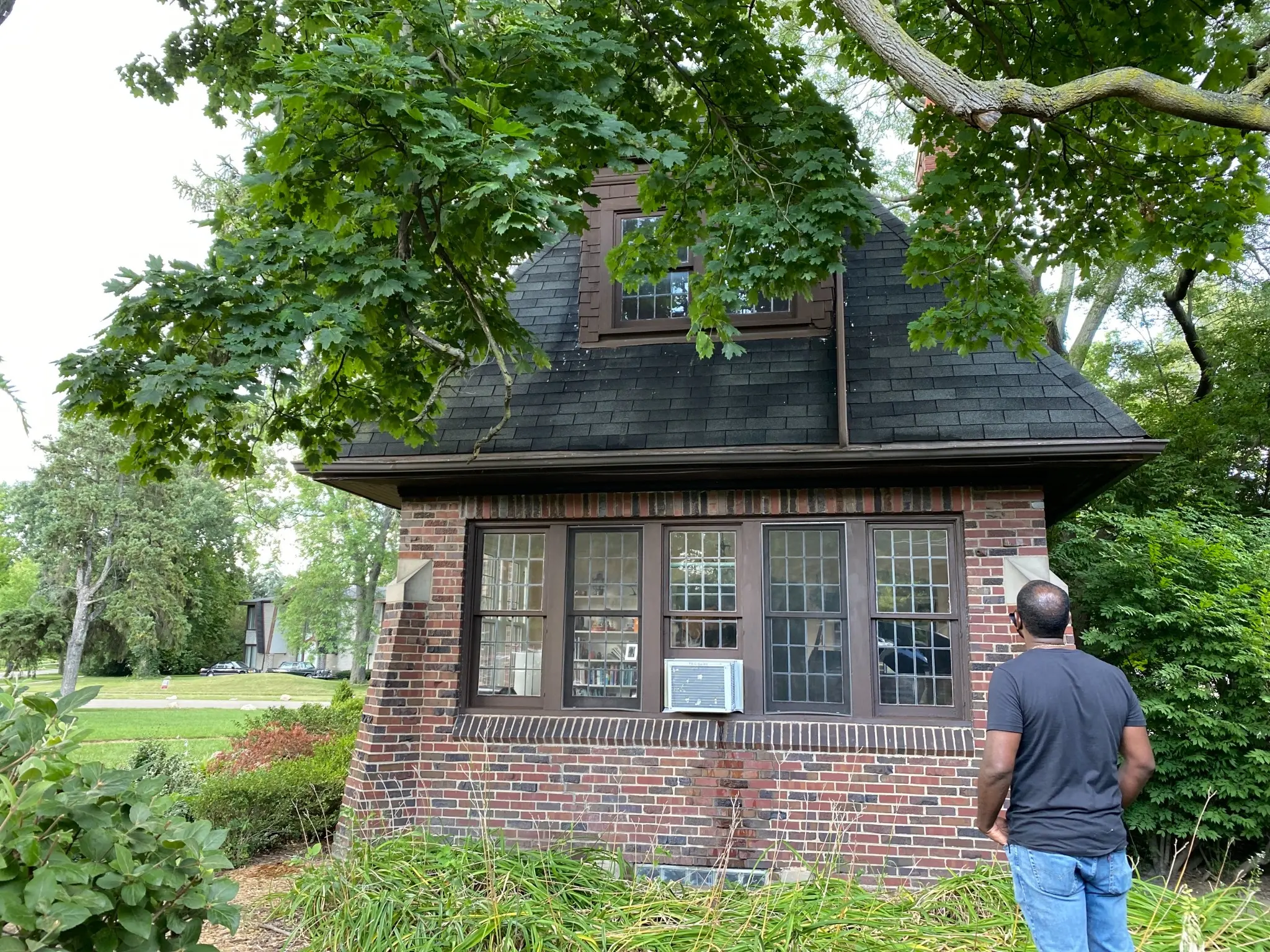
DOCUMENT THE IMPROVEMENT
Keep the signed contract, final invoice, installation date, roofing product information, permits when applicable, warranty documents, photos, and any FORTIFIED evaluator records or designation certificate. Ask the agent which items the insurer wants for underwriting or mitigation credits.
If the improvement matters to insurance, prove the improvement.
Armor can provide roofing project documentation. The insurer decides what underwriting treatment, discount, or coverage terms apply.
NEW ROOF & INSURANCE QUESTIONS
The right time to ask about discounts and underwriting treatment is while the roofing system can still be designed around any qualifying requirements.
No automatic statewide discount applies simply because the roof is new. Insurers use their own filed rating and underwriting rules. Ask the agent to quote the policy with the proposed roof information before assuming savings.
MID says Mississippi law requires insurance companies to provide discounts for homes mitigated to IBHS standards, and the Department reports filed discounts ranging from 15% to 30% for those FORTIFIED homes. The exact treatment depends on the insurer and applicable filing.
Before the work starts if insurance incentives are part of the decision. Ask what materials, mitigation features, inspections, evaluator involvement, or documentation the carrier requires so those details can be considered during planning.
Start with the completion date, contract or final invoice, roofing material information, permits when applicable, and any mitigation or FORTIFIED documentation. Ask the carrier or agent what additional proof is required.
MISSISSIPPI & FORTIFIED SOURCES
Insurance discounts and underwriting treatment vary by carrier. These sources establish Mississippi's mitigation framework and current FORTIFIED incentives, while the insurer's filed rates and policy determine the actual homeowner result.
01
Current Mississippi premium-reduction guidance
MID explains mitigation options and says Mississippi law requires insurers to give discounts to homes mitigated to IBHS standards, with filed FORTIFIED discounts reported in the 15% to 30% range.
Read MID: Understanding Premiums & Rates →02
FORTIFIED Roof grant and insurance-rate mission
The state program provides wind-and-hail mitigation grants for qualifying homeowners and states its mission includes protecting property and lowering insurance rates in Mississippi.
Read Strengthen Mississippi Homes →03
Mississippi carrier discounts and endorsements
FORTIFIED's Mississippi incentive page tracks insurer discounts and notes that MWUA offers a FORTIFIED endorsement that can help offset an upgrade after a covered roof-replacement loss.
See FORTIFIED Financial Incentives →04
Mississippi's coastal mitigation-discount framework
MID's mitigation bulletin documents the statutory framework requiring premium discounts or rate reductions for qualifying coastal properties built, rebuilt, or retrofitted to recognized wind-resistance standards.
Read the MID Mitigation Discount Bulletin →BEFORE YOU REPLACE THE ROOF
Armor can evaluate the existing roof, explain standard replacement versus FORTIFIED options, and document the completed roofing system.
The insurer or licensed agent should confirm whether the proposed project qualifies for any discount, underwriting change, or endorsement before those savings are used to justify the investment.
ARMOR ROOFING LEARNING CENTER
Roofing and insurance education for Mississippi Gulf Coast homeowners who want to understand the financial decision before the project starts.