
INSURANCE & ROOF AGE | MISSISSIPPI GULF COAST
If you received a letter saying your roof is too old, must be replaced, or may affect renewal, do not assume the answer is automatically yes. Read the exact notice, identify every reason the carrier gives, document the actual roof condition, and understand Mississippi's roof-age law before deciding what the home really needs.
Mississippi law now limits age-only insurance decisions, but it does not make roof condition irrelevant. The details in the carrier's letter matter.
THE SHORT ANSWER
Many Mississippi Gulf Coast roofs were replaced after Hurricane Katrina in 2005. Those roofs are now roughly 20 to 21 years old, which means a large group of homeowners may be receiving underwriting attention at the same time.
Mississippi law says an insurer that has issued coverage may not cancel the policy, cancel a binder, deny coverage, or nonrenew coverage solely because of the roof's age. That rule applies to homeowners policies issued or renewed on or after July 1, 2024.
But roof age can still be one factor in underwriting. If the carrier cites condition, deterioration, material concerns, prior losses, inspection findings, or other risk factors in addition to age, the analysis is different. The wording of the letter matters.
AGE IS A NUMBER. CONDITION IS EVIDENCE.
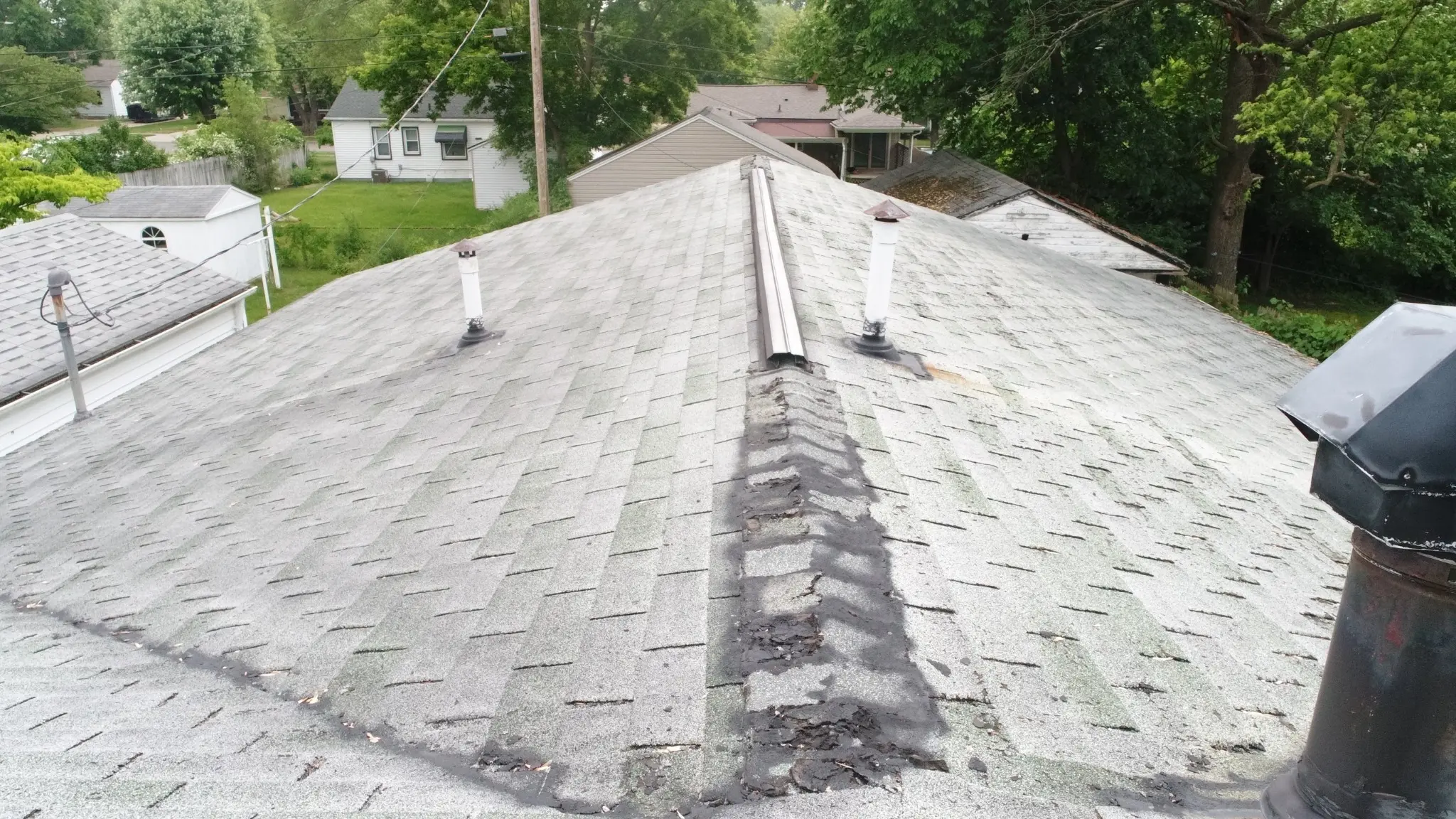
Two roofs installed in the same year can be in very different condition. Exposure, ventilation, workmanship, shingle type, flashing, maintenance, storm history, attic moisture, tree cover, and prior repairs all affect how a roof ages.
The calendar starts the conversation. The roof condition should help finish it.
WHAT KIND OF LETTER DID YOU GET?
A carrier may be asking for proof of roof age, a condition inspection, repairs, documentation of a recent replacement, or full replacement before renewal. It may also be giving formal notice of nonrenewal. Do not treat those as interchangeable.
The first job is to identify exactly what the carrier is requiring, why it is requiring it, and what deadline applies.
Before scheduling a replacement, identify exactly what the carrier is asking for and what happens if you do nothing.
01
The carrier wants proof, not necessarily replacement.
The notice may ask for the roof's installation date, photos, an inspection, repair records, or proof that a prior replacement occurred. Confirm exactly what documentation will satisfy the request.
How Roof Age Affects Insurance →02
The carrier may be requiring corrective action before renewal.
Read whether the condition is full replacement, specific repairs, inspection documentation, or another underwriting requirement. Ask what condition findings support that requirement.
FORTIFIED Insurance Discounts →03
This is a formal coverage action with a deadline.
If the stated reason appears to be roof age alone, that is where Mississippi's 2024 roof-age rule becomes especially important. Keep the notice, policy, inspection records, and all correspondence.
Strengthen Mississippi Homes Grant →WHAT MISSISSIPPI LAW ACTUALLY SAYS
Hurricane Katrina struck the Mississippi Coast on August 29, 2005. A large number of roofs were replaced during the rebuilding period that followed. In 2026, many of those roofs are now around two decades old.
That does not mean every post-Katrina roof is worn out. It does mean many homes are entering the age range where insurers may take a closer look at roof condition, material, loss exposure, and renewal eligibility.
Senate Bill 2130 became effective July 1, 2024. The enacted law says that when an insurer has issued coverage or a binder on a residential structure, it may not cancel the policy, cancel the binder, or deny coverage solely because of the roof's age.
The Mississippi Insurance Department says that protection includes nonrenewal. MID also says the statute does not prohibit insurers from considering roof age as one factor when deciding whether to continue coverage.
THE WORD THAT MATTERS
Mississippi's 2024 law does not say roof age can never matter. MID says age may be one factor, but an insurer should be able to demonstrate that cancellation, nonrenewal, or denial was not based solely on age.
If the carrier's notice says only that the roof is 20 years old, that is materially different from a notice citing age plus documented deterioration, failed inspection findings, prior unrepaired damage, or another underwriting concern.
Armor can document the roof. The carrier interprets its underwriting rules and the policy. MID can address questions about whether an insurance action complies with Mississippi law.
FOUR ROOF-AGE LETTER SCENARIOS
1. Read the exact wording and deadline. A request for documentation, a conditional renewal notice, a nonrenewal notice, and a cancellation notice are not the same thing.
2. Look for every reason the carrier gives. Mississippi law focuses on decisions made solely because of roof age, so other stated condition or underwriting concerns matter.
3. Document the roof before assuming replacement is necessary. Photos, attic conditions, repair history, material condition, flashing, penetrations, and visible deterioration can help establish what the roof actually looks like today.
4. Ask the carrier or agent what documentation would satisfy underwriting and whether an inspection or repair documentation can be considered.
5. If the letter still appears to rely only on roof age, consider asking the Mississippi Insurance Department for guidance or filing a consumer complaint with the notice and policy attached.
Roof age may start the underwriting question. Condition, documentation, timing, and the carrier’s stated reason determine what the homeowner should do next.
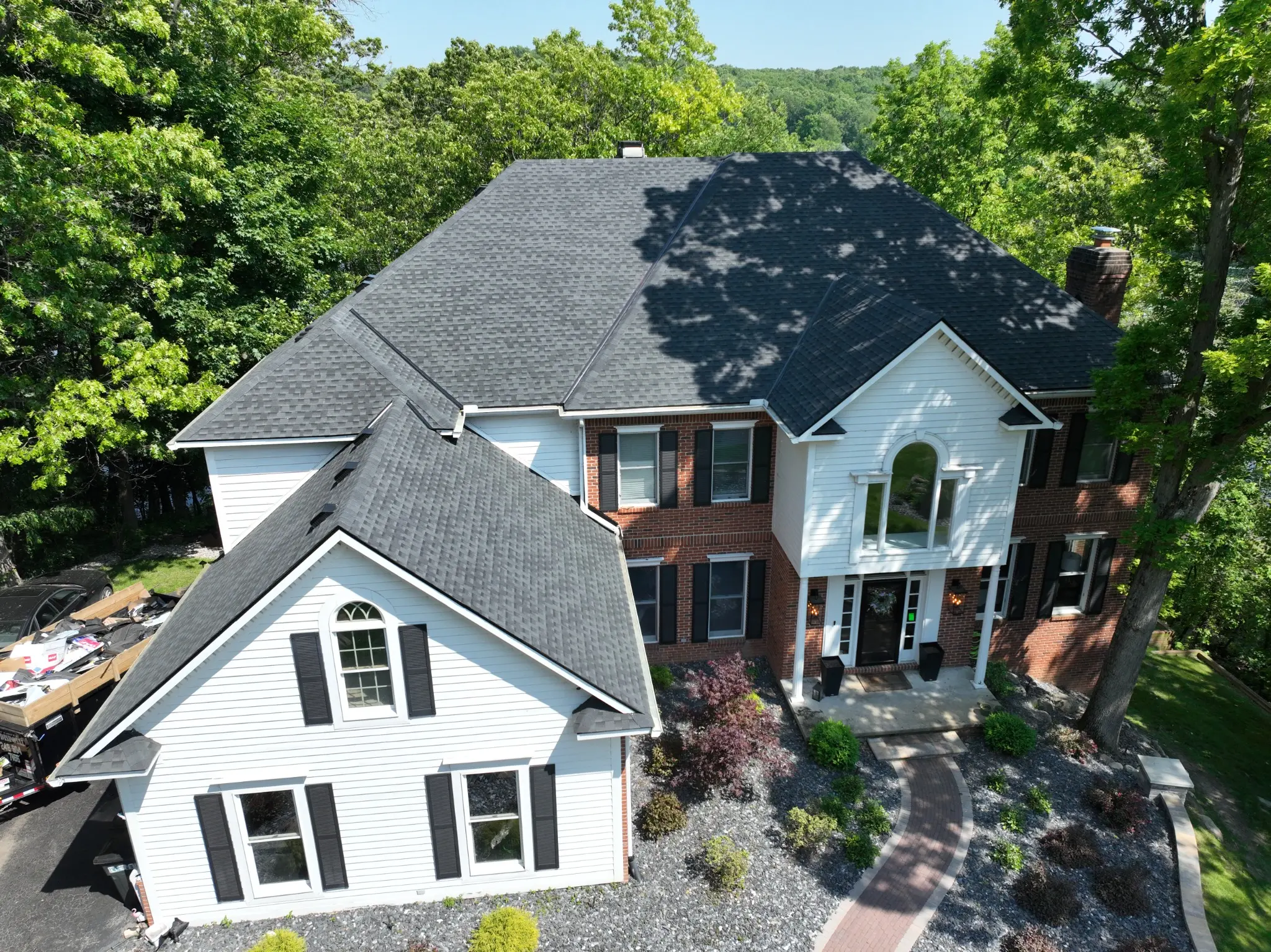
A roof installed during the post-Katrina rebuilding era may now be around two decades old without showing an obvious failure. The next step is to document its current condition and ask the carrier exactly what information or action is required.
If the carrier also identifies condition concerns and the inspection shows worn shingles, failed flashing, active leakage, or other deterioration, the physical condition becomes a separate issue from the roof’s age.
A short underwriting deadline can make timing important, but urgency should not replace evaluation. Inspect the roof, understand the carrier’s deadline, and determine whether replacement is actually warranted and practical within the available window.
Sometimes the underwriting file simply does not reflect a newer roof. Completion invoices, permits when applicable, product information, warranty records, photographs, and the installation date can help correct the record.
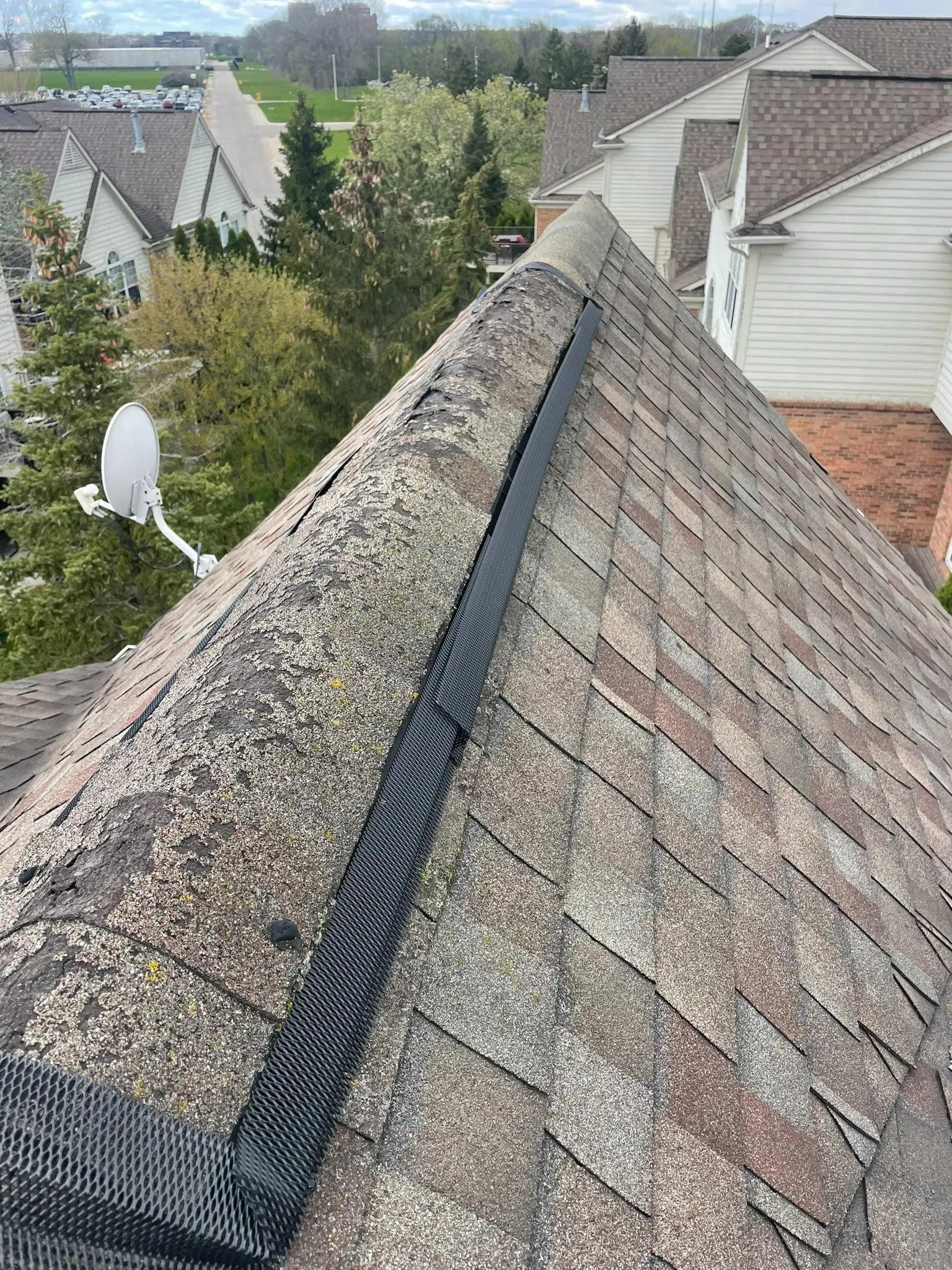
The roof may show the damage. The attic can help explain the path water took and whether the roof deck or ventilation system has additional concerns.
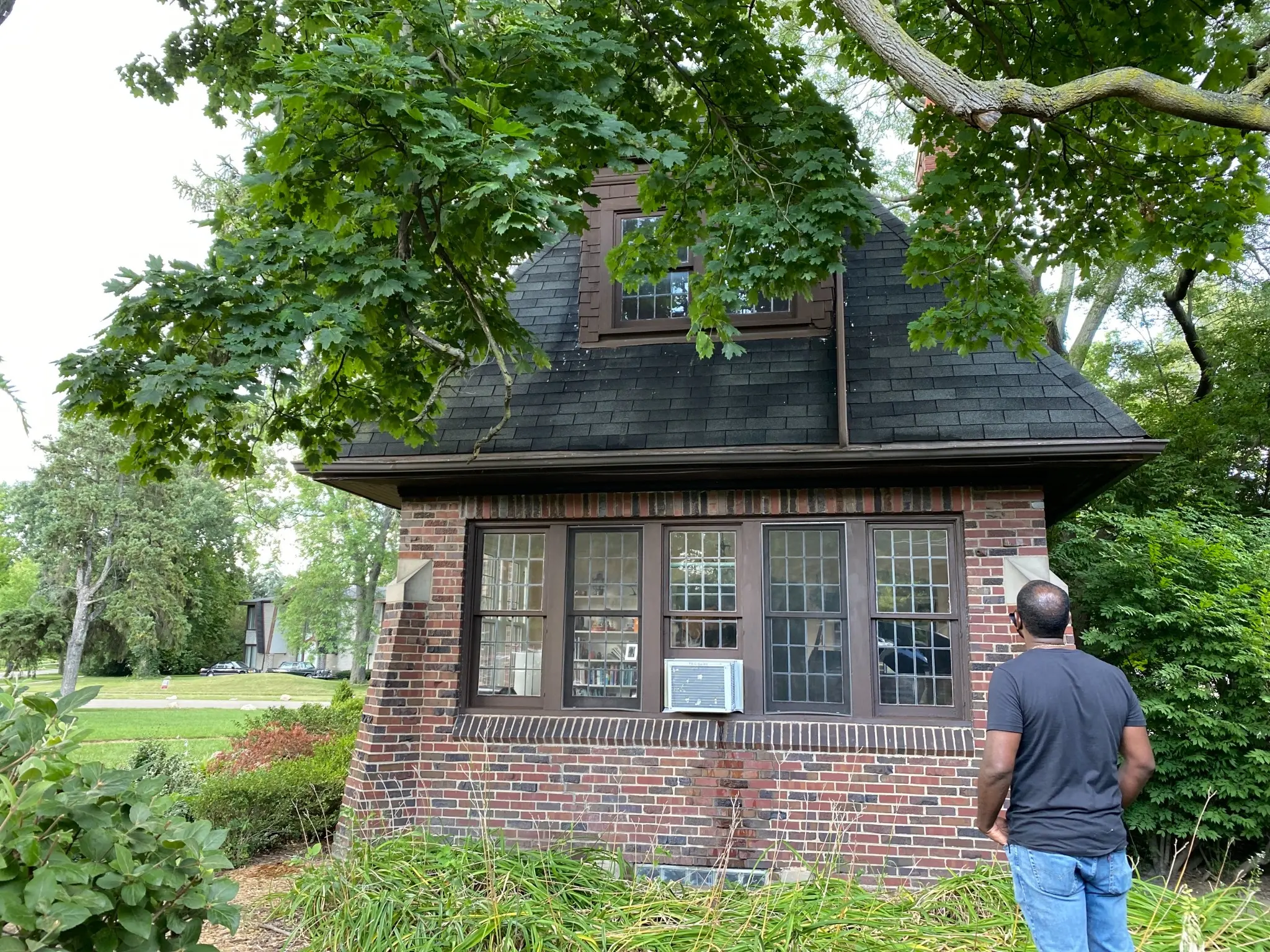
DOCUMENT THE ROOF, NOT JUST THE AGE
Armor can document visible roofing condition, flashing, penetrations, repairability, attic conditions when accessible, ventilation, and evidence of leakage or deterioration. That creates a factual record of what the roof is doing today.
Age is one data point. Condition is the physical evidence.
That documentation can help a homeowner have a more specific conversation with the carrier or agent. Armor documents the roof. The insurer decides how the policy and underwriting rules apply.
ROOF-AGE LETTER FAQ
The exact answer depends on the letter, the policy, the roof’s current condition, and the reasons the carrier gives. Start by separating those facts.
No. Mississippi law does not make roof age irrelevant. It prevents certain coverage decisions from being made solely because of roof age. Mississippi Insurance Department guidance specifically recognizes that age may still be one factor when other underwriting or condition reasons support the decision.
Not automatically. A 20-year age marker may trigger underwriting attention, but it does not diagnose the roof. Read the carrier’s exact request, document the roof’s condition, and determine whether there are actual repairability or deterioration concerns.
Many roofs replaced during the rebuilding years after Katrina are now around two decades old. That timing helps explain why more Gulf Coast homeowners are receiving roof-age questions, but the installation date still does not replace a condition assessment.
Usually, first understand the letter, its deadline, and what documentation the carrier will consider. Then inspect the roof. If there is active leakage or another condition that threatens the home, address the physical problem promptly while preserving documentation.
OFFICIAL SOURCES & HOMEOWNER HELP
For a roof-age insurance notice, the strongest file combines the carrier's actual letter with the policy, roof documentation, and the Mississippi sources that govern age-only decisions.
01
The enacted roof-age law
The statute says an insurer that has issued coverage may not cancel the policy or binder, or deny coverage, solely because of the age of the residential roof.
Read Mississippi's Roof-Age Law →02
How Mississippi interprets the law
MID says the protection includes nonrenewal, while also explaining that roof age may still be considered as one factor when the carrier has other support for its decision.
Read MID Bulletin 2024-2 →03
When the notice does not make sense
MID accepts consumer assistance requests and complaints. Homeowners can submit the cancellation or nonrenewal notice, policy, and supporting documentation for review.
Request Help From MID →04
Why so many Gulf Coast roofs are reaching the same age
Katrina's 2005 landfall triggered enormous rebuilding across the Mississippi Coast. Many replacement roofs from that period are now around two decades old.
NOAA: Hurricane Katrina History →GOT A ROOF-AGE LETTER?
Armor can inspect and document the roof so you can compare the carrier’s letter with the roof’s actual condition.
If replacement is warranted, we can explain the roofing system and FORTIFIED options. If the roof appears serviceable, the documentation gives you a factual starting point for the conversation with the carrier or agent.
FACTS FIRST
Roof condition, policy language, the carrier’s stated reason, and the deadline all matter. Get the physical facts before making the construction decision.