
GULF COAST INSURANCE GUIDE | WIND VS. FLOOD
A hurricane can damage the same home with wind, wind-driven rain, storm surge, and rising water. Those causes are not treated the same. Standard homeowners policies generally do not cover flooding, while wind damage may be covered depending on the policy and any wind exclusion or separate wind coverage.

THE DIRECT ANSWER
If wind damages the roof and rain enters through the opening, FEMA's National Flood Insurance Program does not treat that as flood damage. Depending on the policy, that kind of loss may fall under homeowners or separate wind coverage.
If storm surge, rising water, river overflow, or accumulated surface water enters the home from the ground up, that is the kind of damage flood insurance is designed to address. Standard homeowners insurance generally excludes flooding.
CAUSE BEFORE COVERAGE
The useful question is how the water entered. Roof openings, missing shingles, damaged flashing, broken windows, storm surge, rising water, and surface flooding can produce similar interior damage while pointing to very different causes.
Document the path of damage before cleanup removes the evidence.
THREE DIFFERENT WATER PATHS
A post-storm inspection should document the opening or water path rather than simply labeling every wet area as 'hurricane damage.'
01
The storm physically damages the building envelope
Missing or creased shingles, damaged flashing, lifted metal, broken vents, punctures, and impact damage can create openings that allow later water entry.
Understand Hurricane Deductibles →02
Rain is forced through a storm-created opening
FEMA distinguishes wind-driven rain from floodwater. Rain entering through a damaged roof or wind-created opening is not covered by an NFIP flood policy, though another property policy may respond depending on its terms.
What Is the Mississippi Wind Pool? →03
Water rises or flows across normally dry ground
Storm surge, overflowing waterways, flash flooding, and accumulated surface water are flood-related causes. Flood coverage is generally separate from a standard homeowners policy.
Who Determines Insurance Coverage? →ONE STORM CAN CREATE MORE THAN ONE LOSS
FEMA notes that major coastal storms can produce both wind and floodwater damage. A homeowner may need to report losses to more than one insurer and work with multiple adjusters when separate policies apply.
That makes early documentation especially important. Roof openings, exterior impact points, water lines, debris patterns, interior staining, attic moisture paths, and the timing of water entry can all help preserve the physical facts.
PRESERVE THE EVIDENCE
Photograph and video the roof, siding, windows, doors, water lines, interior rooms, attic conditions, and damaged contents when it is safe to do so. Keep records of emergency work and receipts.
Emergency protection comes first when the home is unsafe or actively taking on water, but document the condition before temporary repairs whenever safety allows.
FOUR GULF COAST SCENARIOS
These examples are about physical cause, not coverage promises. The policy and carrier determine how an actual loss is handled.
Wind removes or damages roof covering, then rain enters through the roof system. The roof opening and water path should be documented before temporary repairs hide the condition.
Water rises from the coast and enters from the ground level. That is floodwater, even though the same hurricane may also have damaged the roof.
Rain driven through a wind-created opening is different from rising floodwater. FEMA specifically distinguishes wind-driven rain from damage directly caused by a flood.
Rain accumulates, flows across normally dry ground, and enters the home. That is a flood-related water path rather than a roof leak simply because the storm also had high winds.
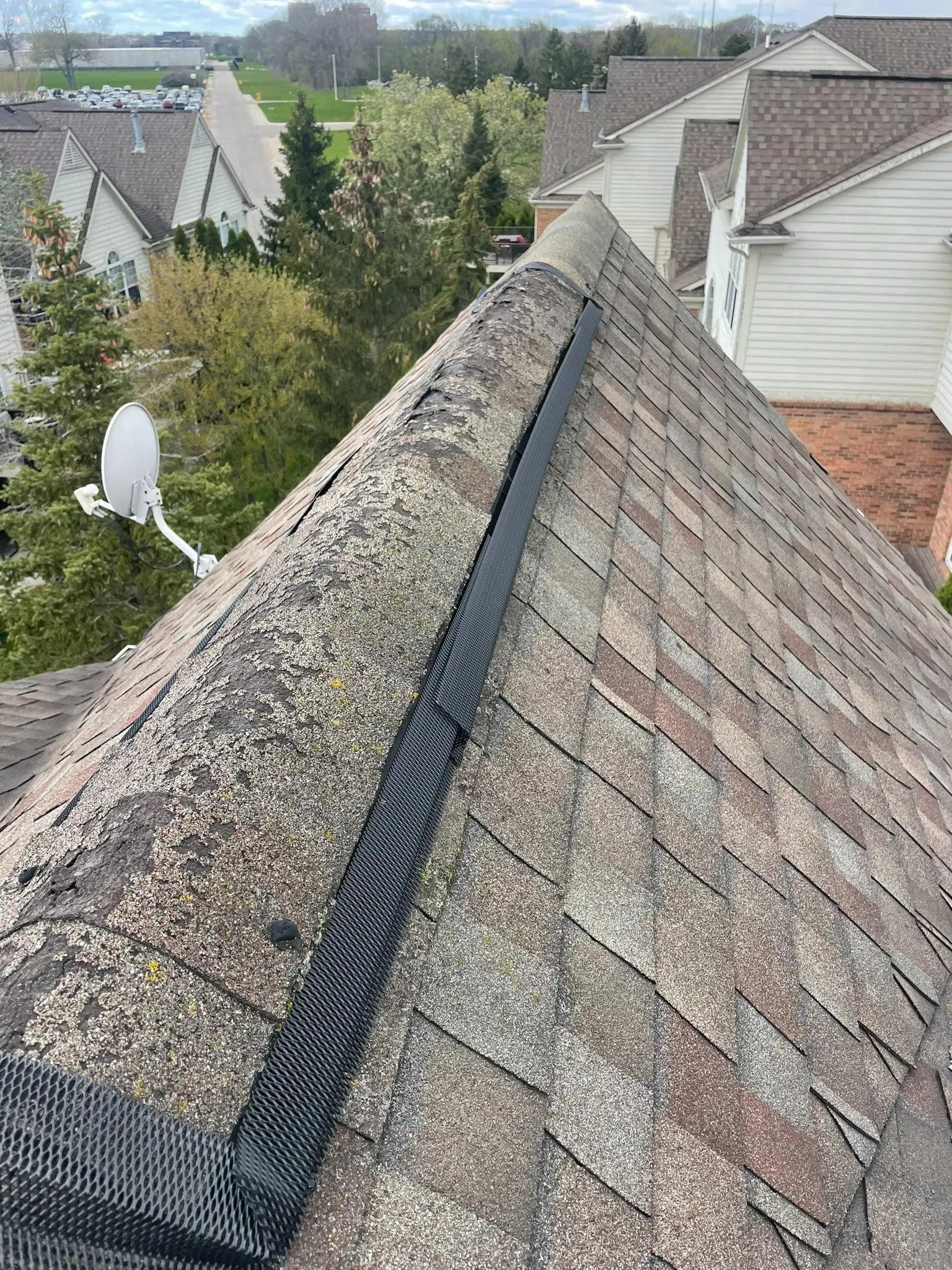
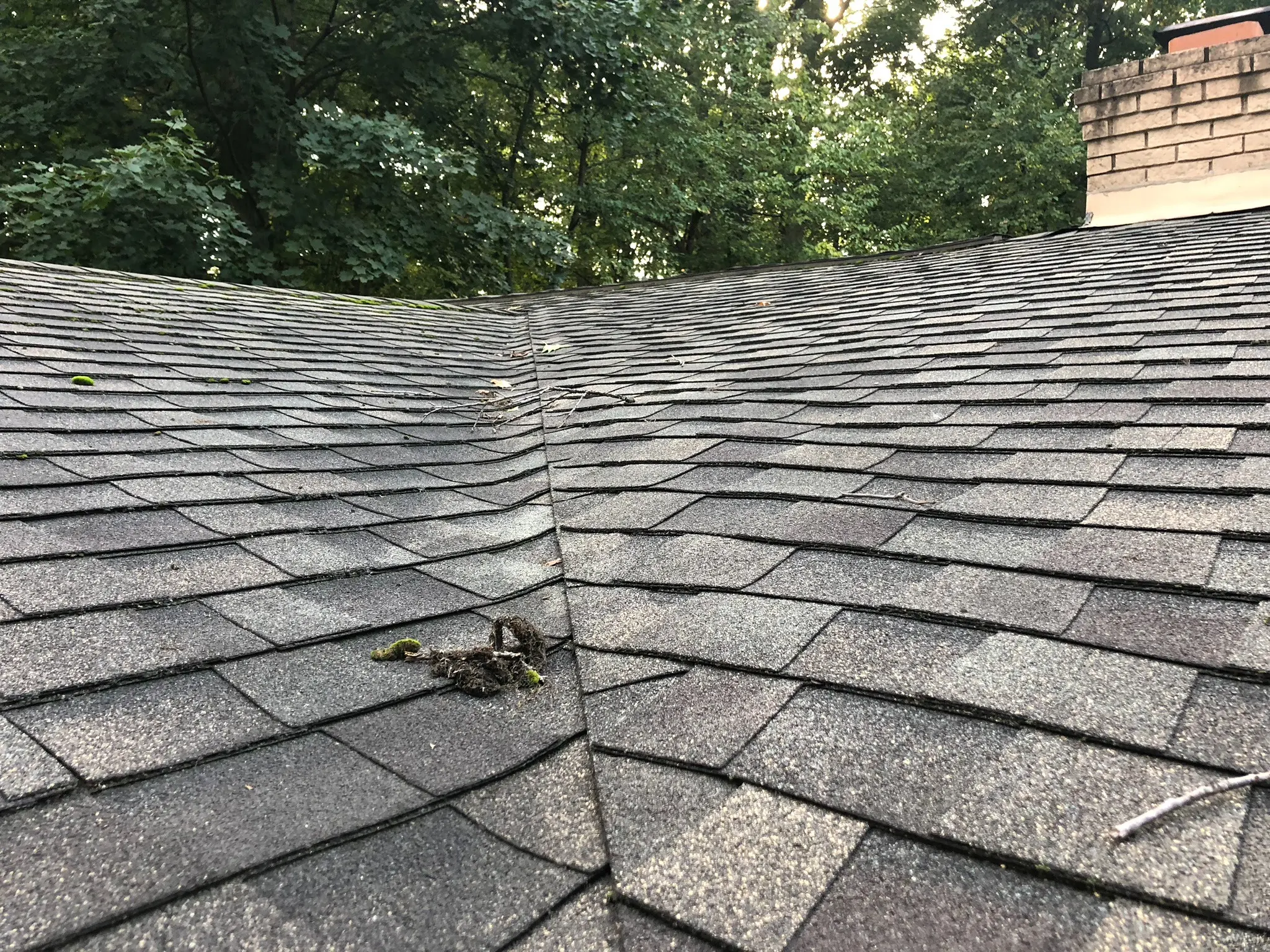
The roof may show the damage. The attic can help explain the path water took and whether the roof deck or ventilation system has additional concerns.
WHAT ARMOR CAN DOCUMENT
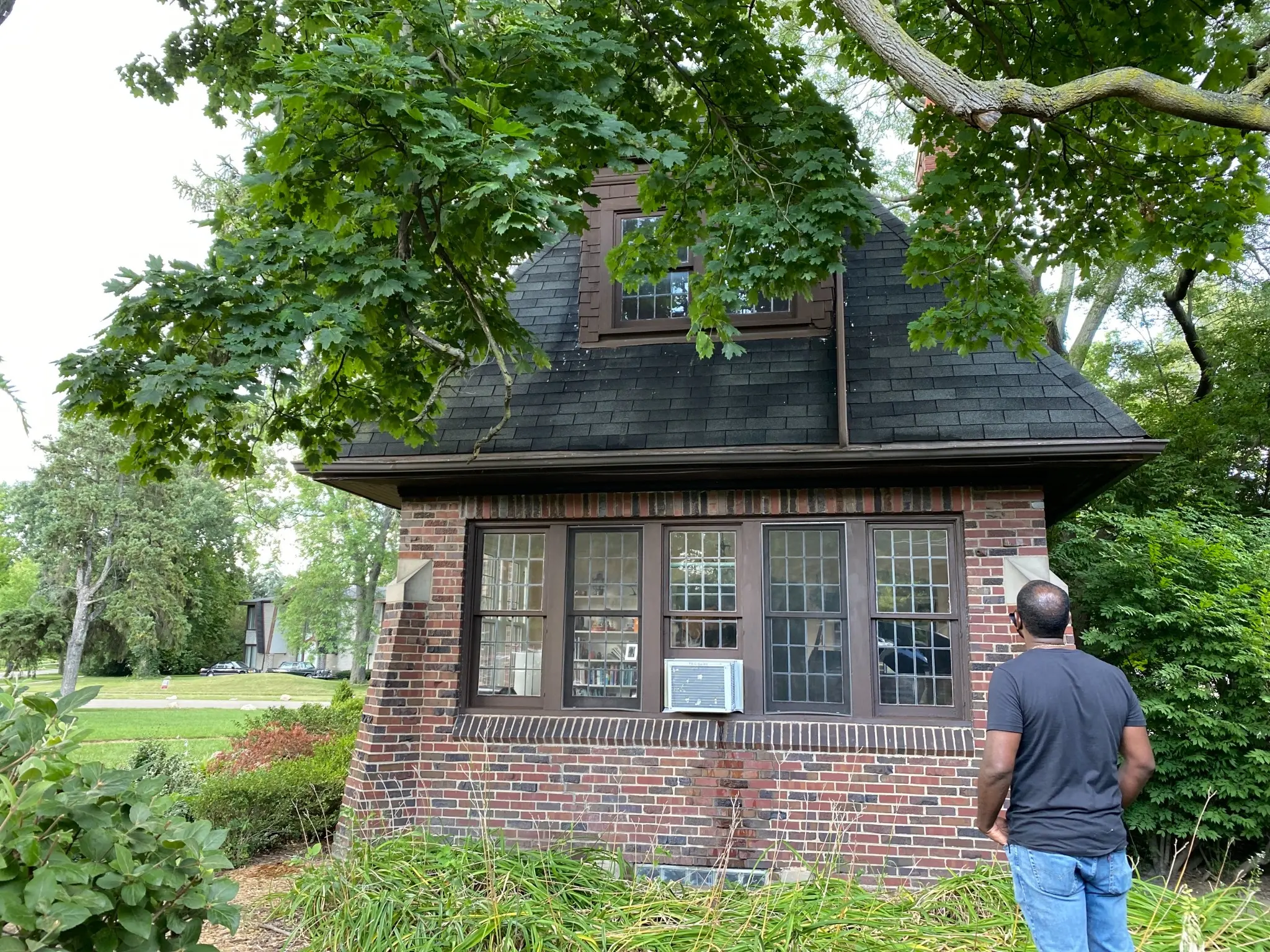
Armor can document missing or damaged roof materials, flashing failures, penetrations, impact points, roof openings, attic moisture paths, decking conditions, and whether the roofing system can be repaired correctly. That construction evidence can help establish what physically happened at the roof.
We document the roof. The insurers determine which policy responds.
When wind and floodwater may both be involved, homeowners should report the loss according to their policy requirements and ask the applicable insurers or agents how each policy should be handled.
WIND VS. FLOOD QUESTIONS
Wind and flood coverage can sit in different policies, so identifying the physical cause and preserving evidence are important before the paperwork takes over.
Generally, no. The Mississippi Insurance Department states that standard homeowners insurance does not cover flood damage. Flood coverage is typically purchased separately through the NFIP or a private flood insurer.
Not under an NFIP flood policy. FEMA distinguishes rain driven through a wind-created opening or damaged roof from flooding caused by rising or flowing water. Another property policy may respond depending on its terms.
Yes. A hurricane can damage the roof with wind while storm surge or surface flooding enters the lower level. FEMA notes that separate policies and multiple adjusters may be involved in that situation.
Each insurer interprets and applies its own policy. A roofing contractor can document the roof conditions and construction scope, but should not decide insurance coverage or allocate the loss between policies.
OFFICIAL SOURCES
These sources explain the general insurance framework. The actual policy language, exclusions, endorsements, and facts of the loss control how a specific claim is handled.
01
Wind exclusions, flood coverage, and storm preparation
Mississippi Insurance Department guidance explaining that homeowners policies do not cover rising-water flood damage and that wind coverage should be reviewed for exclusions.
Read the MID Consumer Hurricane Checklist →02
How NFIP distinguishes causes of water damage
FEMA guidance on storm surge, surface flooding, roof openings, wind-driven rain, and why a hurricane can create separate wind and flood losses at the same property.
Read the FEMA Wind vs. Floodwater Fact Sheet →03
Mississippi homeowners and flood coverage basics
MID consumer guidance explaining that standard homeowners insurance does not provide flood coverage and directing homeowners to the NFIP or other flood coverage options.
Read MID Homeowners Insurance Guidance →04
Federal flood definition and common examples
FloodSmart explains storm surge, river flooding, surface water, and the difference between floodwater and other sources of water damage.
Read NFIP: What Is a Flood? →AFTER A COASTAL STORM
Armor can inspect roof damage, openings, flashing, penetrations, attic evidence, and repairability while the physical conditions are still visible.
Wind and flood coverage are insurance questions. The roof evidence is a construction question. Keeping those separate gives the homeowner a cleaner record of what happened.
ARMOR ROOFING LEARNING CENTER
Practical Gulf Coast storm education built around physical evidence, clear construction scope, and transparent insurance-role boundaries.