
STORM RESTORATION IN PASCAGOULA, MISSISSIPPI
After severe weather in Pascagoula, Armor inspects the roofing system, documents legitimate damage and existing conditions, evaluates repairability, and explains the roofing scope required to restore the home correctly.
THE FIRST DECISION
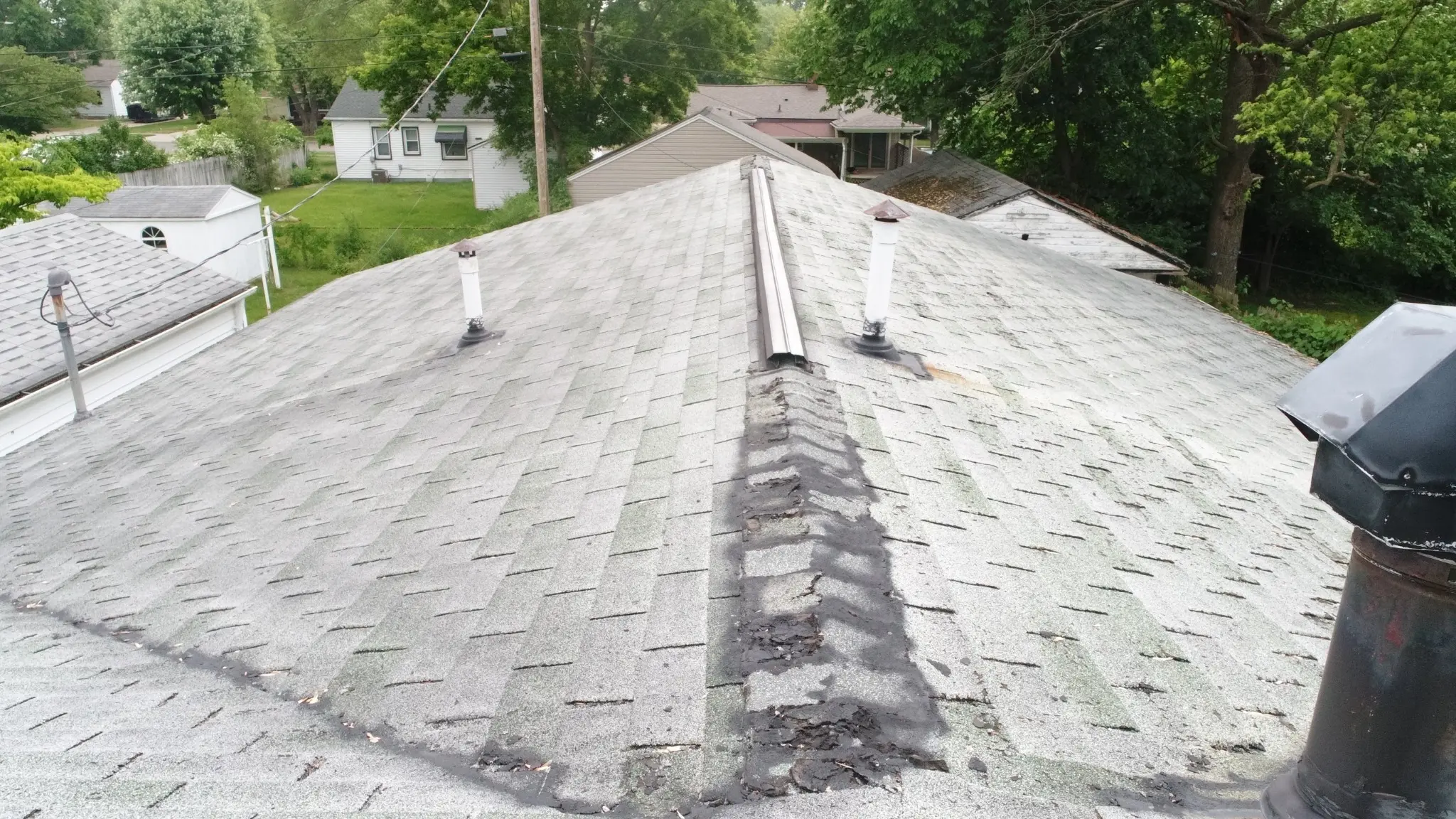
Storm restoration starts with the roofing problem, not the paperwork. Armor looks for wind, impact, lifted or missing materials, flashing and penetration damage, water entry, decking concerns, and whether a localized repair can actually restore the roof correctly.
The goal is a defensible scope based on what is present at the home. Coverage is the carrier's decision. Roofing scope is ours to document and explain.
DOCUMENT WHAT IS REAL
Photos. Measurements. Material identification. Repairability. Code requirements. Unavailable materials. Decking. Flashing. Ventilation. Legitimate supplements.
If the roof needs it, document it. If it does not, do not manufacture it.
WHAT ARMOR DOCUMENTS
A useful restoration scope connects the visible damage to the roofing system, the repairability of the materials, and the work actually required to restore the home.
01
What happened and where?
Armor documents wind, impact, lifted or missing materials, damaged accessories, flashing and penetration issues, water entry, and other conditions that help explain the event and the roof's current condition.
Start With the Inspection →02
Can the roof actually be restored with a localized repair?
Material availability, discontinued or incompatible products, the location and extent of damage, and the surrounding roof condition can all affect whether a repair is practical or whether replacement is the correct scope.
See Roof Replacement →03
Make the work understandable and defensible
Measurements, estimates, code-related requirements, photos, material information, decking, ventilation, flashing, and legitimate supplements are documented when they are necessary to build the roof correctly.
Schedule a Storm Roof Inspection →STORM RESTORATION
The first question is not what the insurance company will pay. It is what happened to the roof. Armor inspects the system, documents the damage and existing conditions, and identifies what is actually required to restore the home correctly.
Documentation can include roof and property photos, measurements, material identification, repair or replacement estimates, code-related requirements, unavailable materials, and legitimate supplements when the scope requires them.
THE ARMOR APPROACH
The insurance company determines coverage. Armor determines what it takes to build the roof correctly. If something necessary is missing from the scope, we document it. If it is not legitimate, we do not add it simply to inflate the claim.
The goal is not to maximize an insurance claim. The goal is to restore the home correctly.
WHAT A STORM CAN AFFECT
Wind and wind-driven rain can expose weaknesses at roof edges, flashing, penetrations, vents, transitions, and the roof deck. A storm inspection should look at the roofing system, not just the most obvious damaged area.
Wind can remove shingles, loosen tabs, damage starter and edge areas, and stress fastening points even when the roof still looks mostly intact from the ground.
Water can be pushed into vulnerable roof edges, flashing, transitions, vents, and penetrations. Interior leakage may be the symptom rather than the location of the exterior failure.
Pipe boots, roof-mounted vents, wall transitions, valleys, chimneys, and flashing details can be displaced or damaged and deserve the same attention as the field shingles.
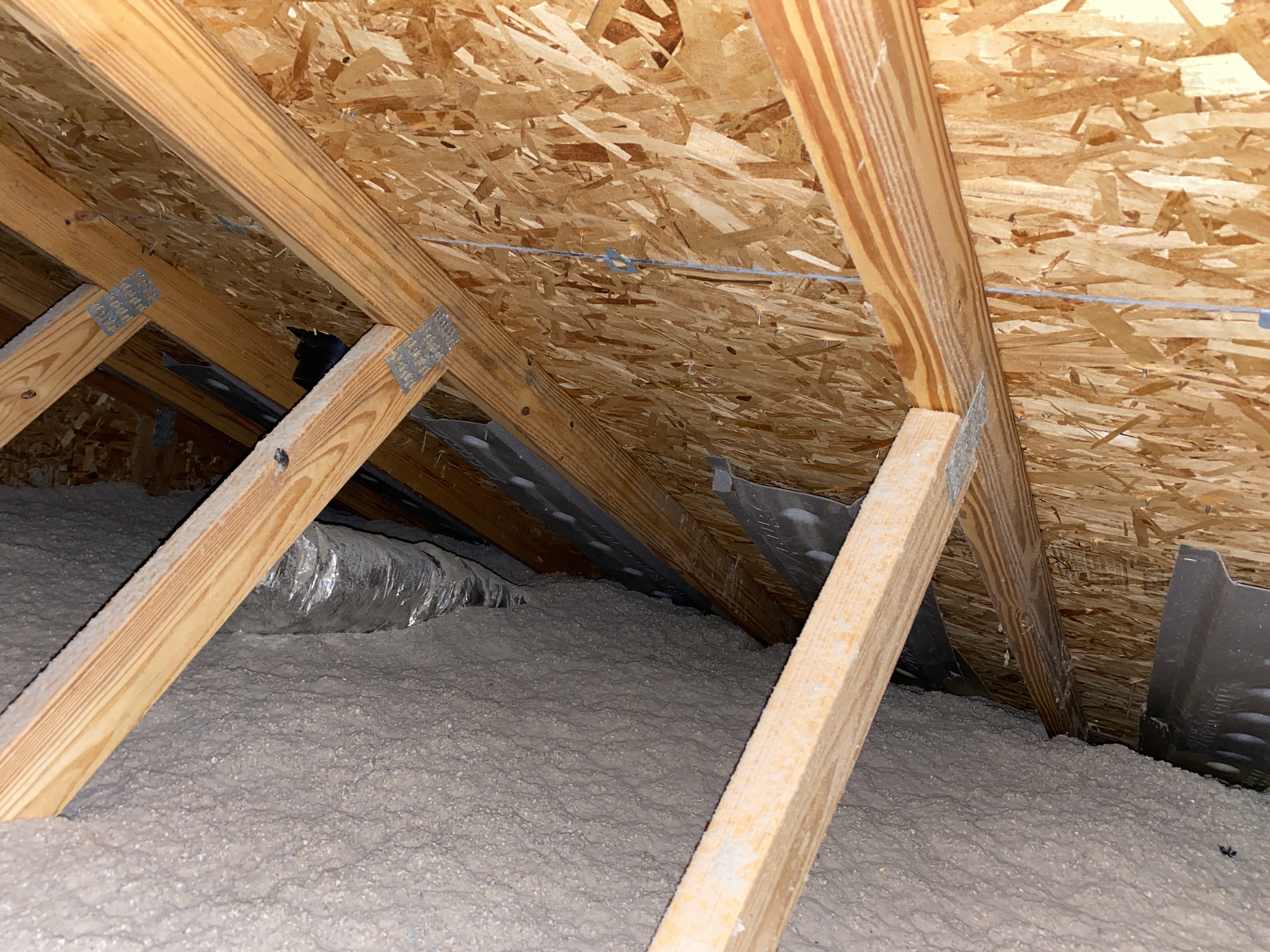
When safely accessible, the attic can reveal moisture staining, active water paths, deteriorated decking, or other evidence that helps explain how the roof performed during the storm.
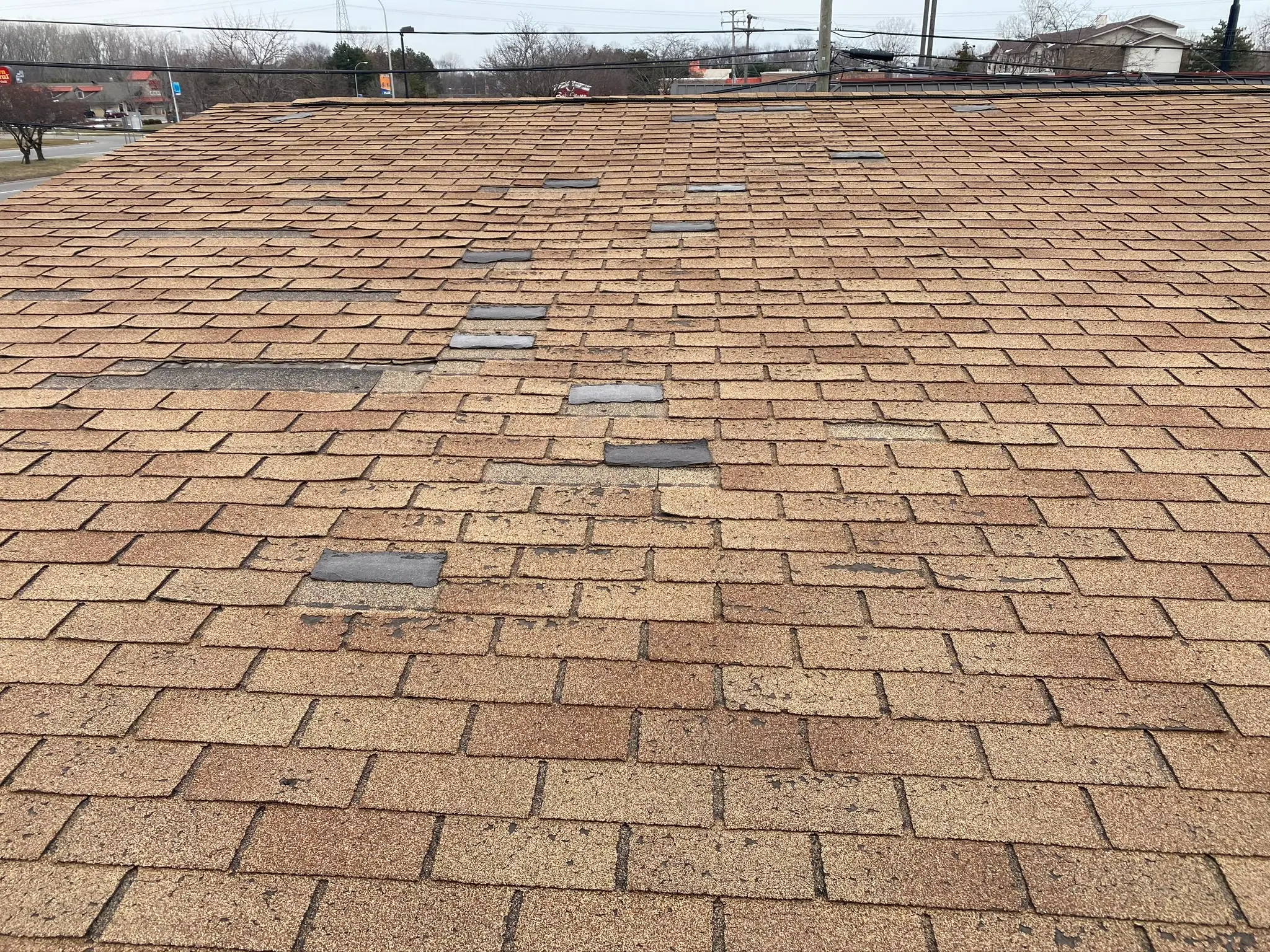
The roof may show the damage. The attic can help explain the path water took and whether the roof deck or ventilation system has additional concerns.
THE ARMOR INSPECTION
The question is simple: What does this house actually need? We start with the homeowner's concerns, evaluate the roofing system, and inspect the attic whenever it is safely accessible.
The roof speaks. The attic tells the truth.
A stain may show moisture. The attic may explain why. Premature roof aging may look like a shingle problem until ventilation or trapped moisture tells a different story.
STORM RESTORATION QUESTIONS
Insurance and roofing overlap during storm restoration, but they are not the same job. These are the questions homeowners should understand before treating an adjuster's scope as a construction plan.
If the home is safe and dry, starting with a roof inspection can help you understand whether there is legitimate storm damage before deciding how to proceed. Emergency leaks or unsafe conditions should be addressed immediately.
No. The insurance carrier interprets the policy and determines coverage. Armor documents the roofing conditions and the construction scope required to repair or replace the roof correctly.
A supplement is documentation requesting consideration of legitimate work or costs that are necessary for the roofing scope but were not included in the original estimate. Armor only supports items the project actually requires.
Material availability and repairability can change the appropriate roofing scope. Armor documents the actual material, availability information when it can be verified, and whether a localized repair can restore the roof correctly.
STORM RESTORATION ACROSS PASCAGOULA
Pascagoula includes beachfront homes facing the Mississippi Sound, established neighborhoods around Krebs Avenue and Market Street, areas near Bayou Chicot and Bayou Casotte, and homes farther north toward Highway 90. Roof age, wind exposure, trees, drainage, flood history, and prior repairs can all change the restoration scope.
01
Wind, Heavy Rain & Water Entry
Closer to the Mississippi Sound, storm inspections should pay close attention to roof edges, flashing, penetrations, wind-driven rain paths, decking concerns, and any evidence that water traveled beyond the visible roof damage.
02
Waterways, Trees, Drainage & Wind Exposure
Homes around Pascagoula's bayous can combine heavy tree cover, drainage concerns, wind exposure, and water-driven storm effects. Armor documents roof edges, flashing, penetrations, debris impacts, and whether the existing materials allow a durable repair.
03
Older Roofs, Additions & Prior Repairs
Established homes can carry layers of reroof work, additions, older flashing, and repairs from different eras. Those conditions matter when evaluating storm damage, material availability, and whether a repair can be completed correctly.
04
Newer Homes Still Need a Complete Storm Review
Farther north, newer and older homes alike are still exposed to wind, debris, flashing, penetration, and drainage issues. Armor reviews the complete roofing system and documents what the storm changed before recommending repair or replacement.
WHAT HOMEOWNERS SAY ABOUT ARMOR
Armor Roofing Gulf Coast is new to Mississippi, but the standards behind the company are not. Until local Gulf Coast reviews begin coming in, selected feedback from Armor's Michigan operation shows the kind of communication, inspection, problem-solving, and workmanship the company is built around.
LEAH | ARMOR ROOFING CUSTOMER | MICHIGAN
“He was quick, honest, and very thorough. He took his time to explain our options. I felt comfortable knowing I would receive high quality work, and that's exactly what Paul and his team at Armor Roofing delivered.”
“I would recommend Paul to any of my friends and family.”
AFTER THE STORM
Armor starts with the roofing system, documents legitimate storm damage and repairability, and explains what it will take to restore the home correctly.
Coverage is the carrier's decision. The roofing scope still has to make construction sense.
ARMOR ROOFING GULF COAST
Serving Pascagoula and the surrounding Mississippi Gulf Coast with inspection-first storm restoration.